10 Essential Things to Know Before Visiting a Urologist
4 Jun 2026 · 6 min read · Urology
Introduction
Thinking about visiting a urologist but feeling paiseh or blur about what to expect? You're not alone lah. Whether it's for a routine check-up, persistent UTI, or more serious concerns, seeing a specialist can feel intimidating. Here's what you need to know to navigate your urology appointment like a pro – from costs to preparation tips that'll save you time and money.
1. Understand When You Actually Need a Urologist
Don't anyhow self-diagnose and rush to a specialist. Most urinary issues can be handled by your family GP first. However, you should consider visiting a urologist if you have recurring UTIs (more than 3 times a year), blood in urine, kidney stones, or prostate concerns for men above 40.
Bottom line: Get a polyclinic referral first – it's cheaper and ensures you actually need specialist care.
2. Budget for Consultation Fees (They're Not Cheap)
Here's the reality check on urology consultation costs in Singapore:
| Setting | First Consultation | Follow-up |
|---|---|---|
| Public Hospital (subsidised) | $50-80 | $25-40 |
| Public Hospital (private) | $180-250 | $120-180 |
| Private Clinic | $200-400 | $150-300 |
| Mount Elizabeth/Gleneagles | $300-500 | $200-350 |
Money-saving tip: If you're not in urgent need, stick with subsidised rates. The wait might be longer, but the medical expertise is identical.
3. Bring Your Complete Medical History
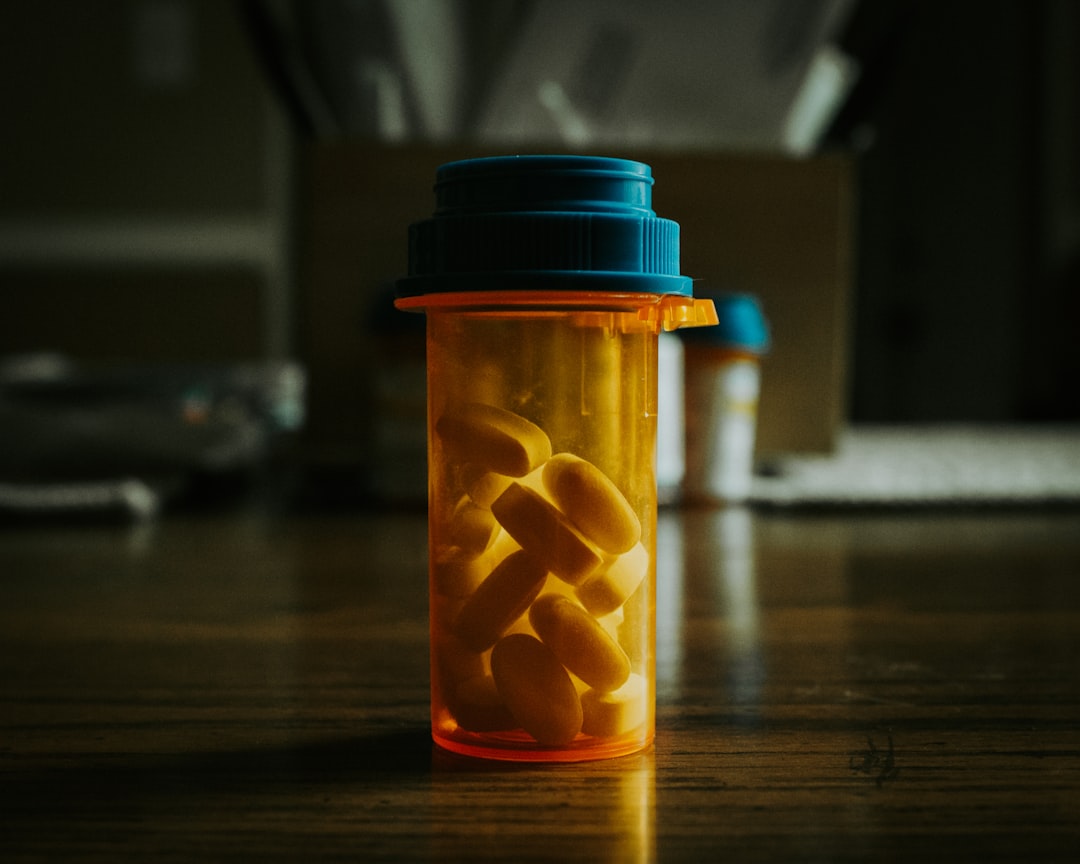
Doctors hate it when patients say "I forgot what medication I'm taking." Before your appointment, compile a list of current medications, past surgeries, family history of kidney/bladder issues, and any relevant test results from the past 6 months.
Pro tip: Take photos of your medication bottles with your phone – it's faster than writing everything down.
4. Prepare for Personal Questions (No Need to Feel Paiseh)
Urologists will ask about your bathroom habits, sexual health, and other intimate details. It's their job, and they've heard everything before. Be honest about symptoms, frequency, and duration – hiding details only wastes your money and delays proper treatment.
Reality check: The more forthcoming you are, the faster you'll get an accurate diagnosis.
5. Know What Tests Might Be Required
Common urology tests and their typical costs:
- Urinalysis: $20-40
- Ultrasound (kidney/bladder): $150-300
- CT scan: $400-800
- Cystoscopy: $500-1,200
- Prostate biopsy: $1,500-3,000
Insurance tip: Check if your Integrated Shield Plan covers these diagnostic tests before agreeing to them.

6. Understand the Difference Between Urgent and Routine Issues
Some symptoms need immediate attention: severe flank pain (possible kidney stones), inability to urinate, or fever with urinary symptoms. For these, go straight to A&E. Non-urgent issues like mild burning sensation or occasional blood in urine can wait for a proper appointment.
Cost consideration: A&E visits can cost $100-200 even before seeing a specialist, so don't waste money on non-emergencies.
7. Location Matters for Follow-up Care
Choose a clinic that's convenient for multiple visits. Popular urology centres are found at:
- SGH/NUH: Comprehensive care but longer wait times
- Tan Tock Seng: Good for kidney specialists
- Mount Elizabeth: Premium service, premium prices
- Heartland clinics: Convenient but limited specialist availability
Practical tip: Factor in transport costs and time off work for multiple appointments.
8. Prepare for Potential Procedures on the Same Day
Some urologists offer minor procedures during consultation (like catheter insertion or small biopsies). Ask upfront about additional costs – these can range from $200-800 depending on complexity. Don't feel pressured to proceed immediately if you need time to consider costs.
Financial planning: Set aside an extra $500-1,000 budget buffer for unexpected procedures.
9. Understand Medication Costs and Alternatives
Urology medications can be expensive, especially for chronic conditions like overactive bladder or prostate issues. Ask about generic alternatives and whether prescriptions can be filled at polyclinics for cheaper rates.
Money-smart move: Compare prices between hospital pharmacy and external pharmacies – savings can be 20-30%.
10. Know Your Insurance Coverage Inside-Out
Before visiting a urologist, understand your coverage limits. Most basic Medisave plans cover consultations but have caps on diagnostic tests and procedures. Integrated Shield Plans offer better coverage but check for pre-authorization requirements.
Administrative tip: Bring both your NRIC and insurance cards – some clinics handle claims directly while others require you to submit later.
Making Your Urology Visit Count
The key to a successful urology consultation is preparation and realistic expectations. Don't expect immediate answers – some conditions require multiple tests and follow-ups. Budget accordingly and don't be afraid to ask questions about costs upfront. A good urologist will be transparent about necessary tests versus optional ones.
Remember, investing in proper urological care early can prevent more expensive complications down the road. Whether you're dealing with simple UTIs or more complex issues, being an informed patient helps you make better financial and health decisions.
Ready to find a qualified urologist in your area? Get free quotes from verified providers on KakiList and compare options that fit your budget and location preferences.
Need help finding the right provider?
Get free, no-obligation quotes from verified urology providers in Singapore.
Get Free Quotes →