Art Classes in Singapore: 15 Questions Before You Book
30 Apr 2026 · 7 min read · Art Classes
Whether you're eyeing that pottery class in Tiong Bahru or finally ready to try watercolours at a heartland community centre, choosing the right art classes in Singapore requires more homework than you'd think. With prices ranging from S$30 per session at void deck programmes to S$200+ for premium studio workshops, getting it wrong can be an expensive mistake.
Here's your pre-booking checklist to separate the gems from the duds. These 15 questions will save you money, frustration, and possibly your artistic dreams.
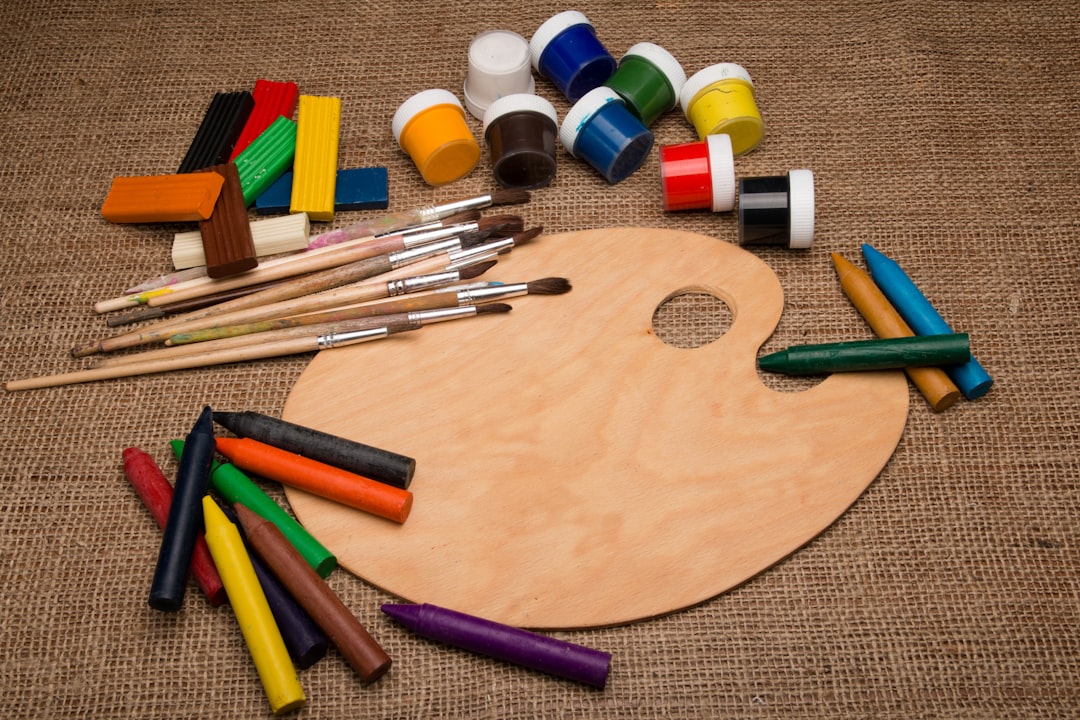
Pricing & Payment Structure
1. What's the total cost breakdown?
Don't just ask for the per-session rate. Get the full picture including materials, registration fees, and any hidden charges.
Good answer: "S$80 per 2-hour session, materials included except canvas (S$15 each). No registration fee."
Walk away if: They're vague about costs or mention surprise fees halfway through your inquiry. One Orchard Road studio we called couldn't give a straight answer about material costs – red flag.
2. Do you offer trial classes or money-back guarantees?
Reputable providers stand behind their teaching. Trial classes typically cost S$30-50 and should be deductible from your course fee if you continue.
Good answer: Trial available at S$40, fully refundable if you're not satisfied or deductible from course fees.
Walk away if: No trial option and they demand full upfront payment for multi-session packages.
3. What's your refund and makeup policy?
Life happens – work trips, family emergencies, MC days. You need flexibility.
| Policy Type | Fair Terms | Avoid |
|---|---|---|
| Makeup classes | 48-hour notice, valid within course period | No makeups allowed |
| Refunds | Pro-rated refunds with reasonable notice | "No refunds under any circumstances" |
| Medical leave | Extended validity for MC with doctor's note | No allowances for illness |
Instructor Credentials & Experience
4. What are the instructor's qualifications and background?
In Singapore's unregulated art education scene, anyone can claim to be an instructor. Dig deeper.
Good answer: "Sarah graduated from LASALLE College of the Arts, taught at MOE schools for 8 years, and exhibits regularly at local galleries."
Walk away if: Vague responses like "very experienced" without specifics, or reluctance to share credentials.
5. Can I see examples of student work and instructor portfolio?
The proof is in the painting, literally. Student galleries show teaching effectiveness, not just artistic talent.
Good answer: Shows diverse student work at different skill levels, plus instructor's own pieces.
Walk away if: Only shows instructor work, or student examples all look suspiciously similar (template teaching alert).
6. What's your teaching philosophy and style?
Are you looking for structured techniques or creative exploration? Make sure it matches your goals.
Good answer: Clear explanation of their approach, whether technique-focused or creativity-driven, with examples.
Walk away if: Generic responses or inability to explain their teaching method coherently.
Class Structure & Learning Environment
7. What's the class size and student-to-instructor ratio?
Personal attention matters. Optimal ratios vary by art form – pottery needs more individual guidance than painting.
| Art Form | Ideal Ratio | Maximum Acceptable |
|---|---|---|
| Pottery/Ceramics | 1:6 | 1:8 |
| Painting/Drawing | 1:8 | 1:12 |
| Printmaking | 1:5 | 1:8 |
8. What materials are included vs. what I need to buy?
Material costs can double your budget if not planned for. Get this list upfront.
Good answer: Comprehensive list with alternatives for different budgets, plus local suppliers recommended.
Walk away if: Insistence on buying only their marked-up supplies, or surprise material requirements mid-course.
9. How do you accommodate different skill levels?
Mixed-level classes can work, but only with proper differentiation strategies.
Good answer: "We provide basic techniques for beginners while offering advanced challenges for experienced students. Projects can be adapted to individual goals."
Walk away if: One-size-fits-all approach or dismissive attitude toward beginners.
Location & Logistics
10. What are your parking and transport options?
Don't underestimate Singapore transport logistics. That Tanjong Pagar studio might look convenient until you factor in weekend parking costs (S$2-4/hour).
Good answer: Clear directions with MRT/bus options, parking availability and costs disclosed.
Walk away if: Vague location details or no consideration for student transport needs.
11. What safety measures and insurance coverage do you have?
Art involves tools, chemicals, and equipment. Proper safety protocols aren't optional.
Good answer: Safety briefings, first aid kit available, public liability insurance, proper ventilation for chemical-based arts.
Walk away if: Dismissive attitude toward safety or no insurance coverage mentioned.
Course Outcomes & Support
12. What will I realistically achieve by the end?
Instagram-worthy masterpieces in one session? Probably not. Look for realistic goal-setting.
Good answer: Specific, achievable outcomes based on course duration and your starting level.
Walk away if: Overpromising dramatic improvements or vague goals like "become an artist."
13. Do you provide take-home resources or continued learning support?
The learning shouldn't stop when class ends. Good instructors provide resources for independent practice.
Good answer: Technique sheets, recommended practice exercises, or follow-up course pathways.
Walk away if: No support beyond class time or unwillingness to answer follow-up questions.
14. Can you provide references from recent students?
Reviews on Google are helpful, but direct student references give deeper insights.
Good answer: Willingness to connect you with past students (with their permission).
Walk away if: Refusal to provide any student references or only cherry-picked testimonials.
15. What's your policy on photography and social media?
Some students love sharing their work; others prefer privacy. Know the rules upfront.
Good answer: Clear policy respecting student choices about sharing their work.
Walk away if: Mandatory social media participation or no consideration for privacy preferences.
The Bottom Line
Quality art classes in Singapore should welcome these questions – they demonstrate your serious interest and help ensure a good fit. Budget S$200-400 monthly for regular weekly classes, more for specialized workshops or premium locations.
Remember: the cheapest option isn't always the best value, but the most expensive doesn't guarantee quality either. Trust your instincts alongside these practical checks.
Ready to find your perfect art class? Get free quotes from verified providers on KakiList and start your creative journey with confidence.
Need help finding the right provider?
Get free, no-obligation quotes from verified art classes providers in Singapore.
Get Free Quotes →