First-Timer's Guide to Bone & Sports Medicine in Singapore
31 May 2026 · 7 min read · Bone, Joint & Sports
What is Bone and Sports Medicine?
If you're new to Singapore and dealing with a sports injury, joint pain, or bone-related issue, you'll likely need to see a specialist in bone and sports medicine. This field combines orthopaedics (bone and joint treatment) with sports medicine (activity-related injuries), making it perfect for everything from weekend warrior injuries to chronic joint problems.
In Singapore's healthcare system, these specialists are called orthopaedic surgeons or sports medicine physicians. Don't worry – seeing an orthopaedic surgeon doesn't automatically mean surgery. Many focus on non-surgical treatments like injections, physiotherapy, and medication management.
When Do You Need Bone and Sports Medicine?
You should consider seeing a bone and sports medicine specialist if you're experiencing:
- Sports injuries: Torn ligaments (ACL, MCL), meniscus tears, tennis elbow, runner's knee
- Joint problems: Persistent knee, shoulder, hip, or ankle pain lasting more than 2-3 weeks
- Chronic conditions: Arthritis, tendonitis, bursitis
- Bone issues: Stress fractures, bone spurs, osteoporosis concerns
- Post-injury complications: Old injuries that aren't healing properly
Many expats in Singapore are active – whether it's weekend cycling around East Coast Park, playing tennis at the Singapore Cricket Club, or joining dragon boat teams. The humid climate and increased activity levels can sometimes lead to overuse injuries that need professional attention.
Understanding Singapore's Healthcare System for Specialists
Before diving into your appointment, here's what you need to know about accessing specialist care in Singapore:
Public vs Private Healthcare
Public hospitals (like SGH, NUH, TTSH) offer excellent care at subsidized rates, but you'll need a polyclinic referral first. Expect longer waiting times – typically 4-8 weeks for non-urgent cases.
Private hospitals and clinics (like Mount Elizabeth, Gleneagles, Parkway East) offer faster appointments (often within 1-2 weeks) but at higher costs. Most expats choose private care for convenience.
Insurance Considerations
Check if your company insurance covers specialist consultations. Most expat packages include private specialist care, but verify your annual limits and whether pre-authorization is needed for expensive procedures like MRI scans.
The Step-by-Step Process
Step 1: Getting a Referral (If Needed)
For public healthcare, you'll need a referral from a polyclinic doctor. For private care, you can book directly with most specialists, though some prefer a GP referral letter that summarizes your symptoms and medical history.
Step 2: Booking Your Appointment
Most private clinics allow online booking through their websites or apps like MyDoc and Doctor Anywhere. When booking, mention:
- Your specific injury or pain location
- How long you've had symptoms
- Any previous treatment you've tried
- Insurance details
Step 3: Preparing for Your Visit
Gather these documents:
- Identity documents (passport, employment pass, or Singapore ID)
- Insurance cards and pre-authorization letters
- Previous medical records, X-rays, or MRI scans
- List of current medications
- Pain diary noting when symptoms worsen or improve
What to Expect During Your Appointment
Initial Consultation (30-45 minutes)
Your first visit with a sports medicine specialist in Singapore typically follows this structure:
Medical history discussion (10 minutes): The doctor will ask about your injury mechanism, pain patterns, previous treatments, and activity levels. Be specific – 'It hurts when I climb stairs' is more helpful than 'my knee hurts.'
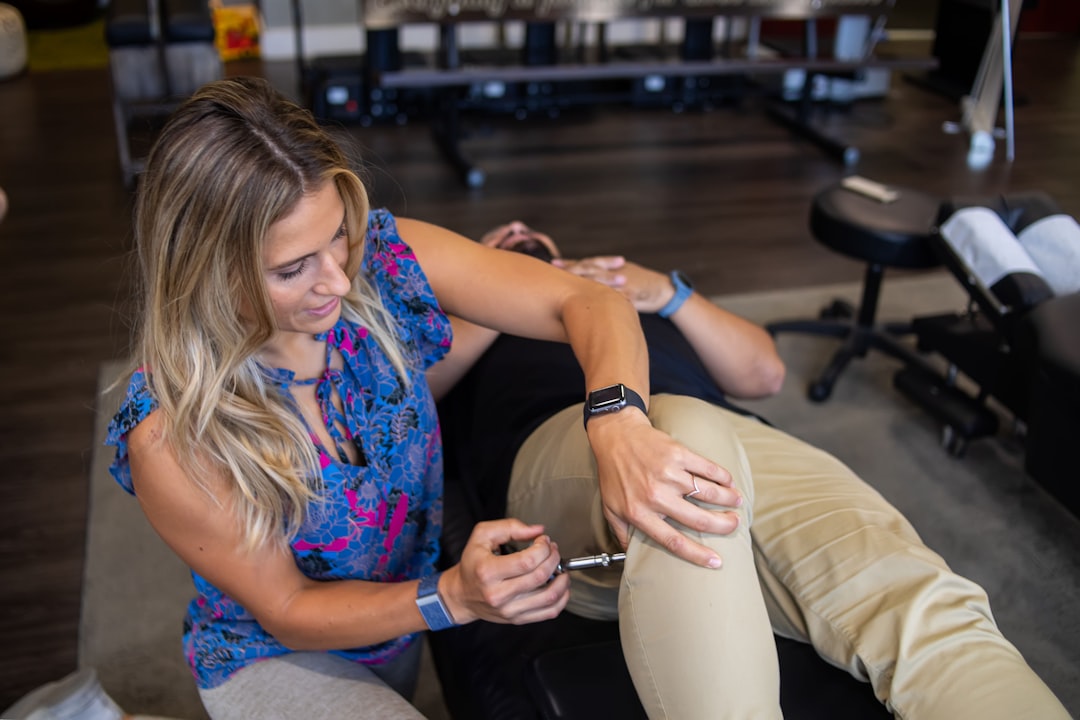
Physical examination (15-20 minutes): Expect hands-on assessment including range of motion tests, strength testing, and specific orthopedic tests. You may need to change into a gown or shorts for proper examination.
Diagnosis and treatment planning (10-15 minutes): The doctor will explain their findings and recommend next steps, which might include imaging, physiotherapy, or treatment options.
Common Tests and Procedures
X-rays: Usually done on-site for bone-related issues. Results available within 30 minutes.
MRI scans: Scheduled separately, typically within 1-2 weeks at private facilities. Essential for soft tissue injuries like ligament tears.
Ultrasound: Often performed in-clinic for real-time assessment of tendons and soft tissues.
Injection procedures: Cortisone or hyaluronic acid injections may be offered during the same visit for certain conditions.
Understanding the Costs in Singapore
Here's what you can expect to pay for bone and sports medicine services in Singapore (May 2026 rates):
Consultation Fees
- Private specialist consultation: SGD 150-400 for initial visit
- Follow-up visits: SGD 120-250
- Public hospital specialist (subsidized): SGD 20-50 with referral
Common Procedures and Tests
- X-rays: SGD 80-150 per view
- MRI scans: SGD 800-1,500 depending on body part
- Ultrasound: SGD 200-400
- Cortisone injections: SGD 300-600
- Physiotherapy sessions: SGD 120-180 per session
These costs are significantly higher than many home countries, but the quality of care and convenience often justify the expense for expats. Always confirm costs upfront and check your insurance coverage limits.
Decoding Common Medical Jargon
Singapore doctors often use medical terms that might be unfamiliar. Here are common ones you'll encounter:
- Arthroscopy: Minimally invasive keyhole surgery using small cameras
- Conservative treatment: Non-surgical approaches like rest, physiotherapy, medications
- Impingement: Pinching of soft tissues, common in shoulders
- Meniscus: Cartilage cushions in your knee joint
- Tendinopathy: Chronic tendon problems (formerly called tendinitis)
What Good Care Looks Like
A quality first experience should include:
- Thorough explanation: Your doctor should explain your diagnosis in plain English and answer all questions patiently
- Clear treatment plan: You should leave understanding your options, timelines, and expected outcomes
- Realistic expectations: Good doctors discuss both benefits and limitations of treatments
- Follow-up scheduling: Clear plans for monitoring your progress
Red Flags to Watch For
Be cautious if a doctor:
- Rushes through your consultation in under 15 minutes
- Immediately recommends expensive surgery without trying conservative treatments
- Cannot clearly explain your diagnosis or treatment options
- Pressures you into immediate procedures without giving you time to consider
Choosing the Right Specialist
Singapore has excellent specialists in areas like Orchard (convenient for CBD workers), Novena Medical Center (multiple specialists in one location), and Mount Elizabeth (popular with expats). Consider factors like:
- Subspecialty experience (knee specialists, shoulder experts, etc.)
- Hospital affiliations and surgical facilities
- Communication style and language comfort
- Location convenience for follow-up visits
Many top specialists in Singapore trained internationally and are familiar with treating expat patients from diverse backgrounds.
Ready to Find Your Specialist?
Dealing with bone or joint issues shouldn't keep you from enjoying Singapore's active lifestyle. Whether you're nursing a badminton injury from the community center or dealing with chronic knee pain from all those HDB stairs, professional help is available.
Find verified bone, joint & sports medicine providers who understand the unique needs of Singapore's expat community. Get free quotes from verified providers on KakiList and take the first step toward getting back to your active Singapore lifestyle.
Need help finding the right provider?
Get free, no-obligation quotes from verified bone, joint & sports providers in Singapore.
Get Free Quotes →