Buying Property in Singapore as a Foreigner: 13 FAQs Answered
23 Sep 2026 · 9 min read · Foreign Buyer/Expat Property
If you're relocating to Singapore and wondering whether you can put down roots (literally) by owning a home here, you're not alone. Every month, expats moving to Singapore ask the same set of questions about buying property in Singapore as a foreigner — what's allowed, what it costs, and where the paperwork traps are hiding. This FAQ deep dive answers the questions we hear most often from newcomers from the US, UK, Australia, India, and North Asia.
Eligibility & Property Types
1. Can foreigners actually buy property in Singapore?
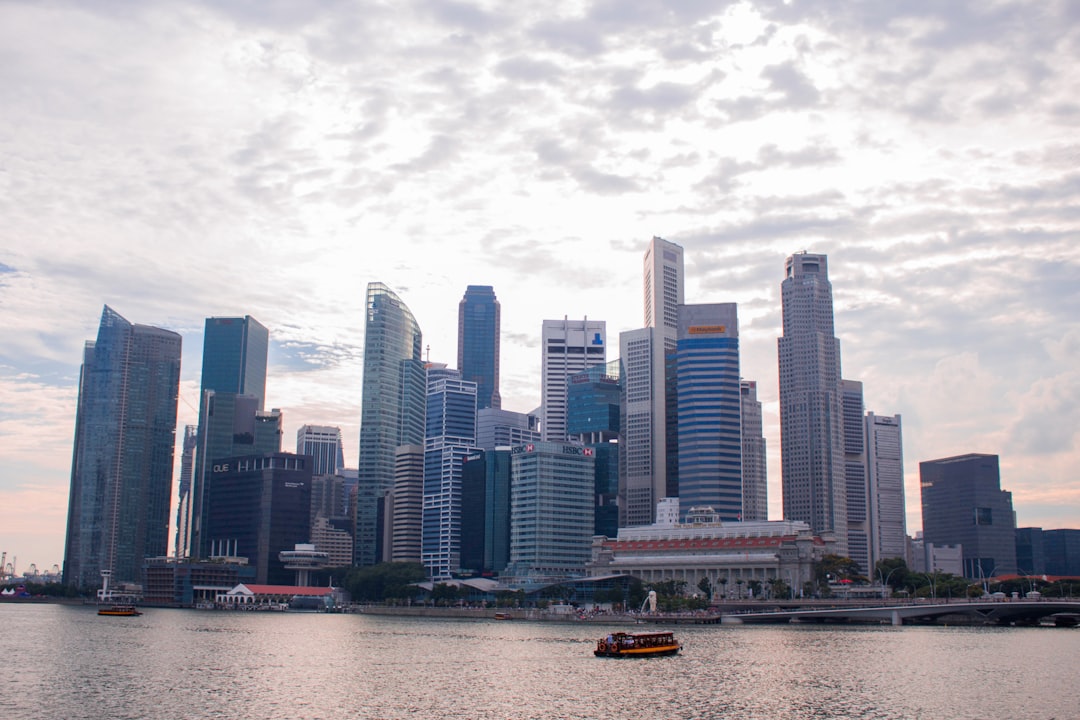
Yes — but not all property types are open to you. Foreigners (non-citizens, non-PRs) can freely buy condominiums and executive condos (ECs) after the 10-year privatisation mark, plus strata-titled landed homes in developments like Sentosa Cove. You cannot buy HDB flats (Singapore's public housing) or most landed houses (bungalows, terraces, semi-Ds) without special approval from the Singapore Land Authority (SLA) under the Residential Property Act. Condos remain the default choice for most expats, and it's genuinely one of the more foreigner-friendly property markets in Asia.
2. What's the difference between condo and landed property rules?
Condos: no approval needed, buy as many as you like (subject to tax, see below). Landed property: requires SLA approval, which is rarely granted unless you're a PR making a significant economic contribution, or the property is in Sentosa Cove. If landed living with a garden is your dream, Sentosa Cove is really your only realistic lane as a foreign non-PR buyer.
3. Can Permanent Residents (PRs) buy HDB flats?
Yes, PRs can buy resale HDB flats (not new BTO flats, which are reserved for citizens) after meeting a minimum 3-year PR status for at least one applicant. Straight foreigners on an Employment Pass or Dependant's Pass cannot buy HDB at all — renting an HDB room or whole flat is the closest option.
Costs, Stamp Duties & Financing
4. What is ABSD and how much will I actually pay?
Additional Buyer's Stamp Duty (ABSD) is the big number that surprises newcomers. As of 2026, foreigners pay a flat 60% ABSD on top of the purchase price for any residential property — first home or not. Singapore Citizens pay 0% (first property), 20% (second), 30% (third+); PRs pay 5%, 30%, 35% respectively. So on a S$2 million condo, a foreigner's ABSD bill alone is S$1.2 million. This is why many expats rent long-term rather than buy, at least early in their posting.
5. Is there any way to reduce or avoid ABSD?
Nationals of the US, Switzerland, Liechtenstein, Norway and Iceland enjoy ABSD treatment equal to Singapore Citizens under Free Trade Agreements — meaning 0% on a first property. Everyone else pays the full 60% unless buying jointly with a Singaporean spouse (assessed on the higher-tax nationality's rate, with some remission schemes available). Always confirm your specific eligibility with a conveyancing lawyer before signing anything.
6. What other stamp duties apply?
Buyer's Stamp Duty (BSD) applies to everyone regardless of nationality: 1% on the first S$180,000, 2% on the next S$180,000, 3% on the next S$640,000, 4% up to S$1.5 million, and 5-6% beyond that. Budget roughly 3-4% of the purchase price for BSD alone on a typical S$1.5-2 million condo.
| Buyer Type | ABSD Rate (1st property) | BSD |
|---|---|---|
| Singapore Citizen | 0% | 1-6% tiered |
| PR | 5% | 1-6% tiered |
| Foreigner (non-treaty) | 60% | 1-6% tiered |
| US/Swiss/Norwegian/Icelandic nationals | 0% | 1-6% tiered |
7. Can I get a mortgage in Singapore as a foreigner?
Yes, most local banks (DBS, OCBC, UOB, plus foreign banks like HSBC and Citi) lend to Employment Pass and Dependant Pass holders, typically up to 75% Loan-to-Value (LTV) for a first property with no other outstanding loans, dropping to 45-55% LTV for subsequent loans. Interest rates for foreigners currently sit around 3.2-3.8% p.a. for fixed packages (September 2026 figures). Expect banks to want at least 2 years of payslips and your Employment Pass valid for a reasonable runway.
8. What is TDSR and how does it affect me?
Total Debt Servicing Ratio (TDSR) caps your total monthly debt repayments (mortgage, car loan, credit card minimums) at 55% of your gross monthly income. If you earn S$12,000/month, all your loan repayments combined can't exceed S$6,600/month. This is a hard regulatory ceiling, not a bank preference, so it genuinely limits how much you can borrow regardless of your salary elsewhere.
The Buying Process
9. What does the buying timeline actually look like?
Expect roughly 8-12 weeks from Option to Purchase (OTP) to completion. You pay a 1% option fee to secure the OTP, exercise it within 2-3 weeks with a further 4% (private property) or agreed sum, then engage a conveyancing lawyer to complete the sale, arrange your loan, and pay ABSD/BSD within 14 days of exercising the option. Missing the 14-day stamp duty deadline triggers penalties, so this isn't a step to procrastinate on.
10. Do I need a lawyer, and what does it cost?
Yes — conveyancing is not optional in Singapore and typically costs S$2,500-S$4,000 for a straightforward private property purchase. Your lawyer handles the title search, drafts the sale and purchase agreement, and manages stamp duty filing. It's worth using a lawyer experienced with foreign buyers, since ABSD remission claims and treaty-nation exemptions need to be filed correctly the first time.
Renting, Investment & Exit Scenarios
11. Can I rent out the condo I buy?
Yes, and many expats do — buying a second unit purely as a rental investment near business districts like Raffles Place or Tanjong Pagar. Just remember the 60% ABSD applies to investment purchases too, so run the rental yield math carefully; gross yields in prime districts typically run 2.5-3.5% annually, which alongside ABSD makes short-term flipping unrealistic.
12. What happens if my Employment Pass isn't renewed after I've bought?
You can still own the property even if you leave your job or Singapore entirely — property ownership isn't tied to your pass status. However, you'll need to manage the mortgage from overseas, and some banks may reassess loan terms if your income source changes. Many owners in this situation switch to renting the unit out remotely through a property management service.
13. Should I rent first before buying as a new expat?
Almost always yes. Renting for 6-12 months lets you learn the neighbourhoods — Tanglin and Bukit Timah for proximity to international schools, River Valley and Robertson Quay for riverside condo living, or Holland Village for its expat-friendly cafe scene — before committing 60%+ in ABSD to a purchase decision. Condo rents currently range from S$3,500/month (2-bedder, District 15) to S$8,000+/month (larger units in prime District 9/10).
Whether you're ready to buy now or still weighing rent-versus-buy, get proper guidance before signing anything. Find Foreign Buyer/Expat Property providers who specialise in helping newcomers navigate ABSD, financing, and paperwork correctly the first time. Ready to compare options? Get free quotes from verified providers on KakiList.
Need help finding the right provider?
Get free, no-obligation quotes from verified foreign buyer/expat property providers in Singapore.
Get Free Quotes →