10 Confinement Food Mistakes New Singapore Parents Make
9 Jun 2026 · 6 min read · Confinement Food
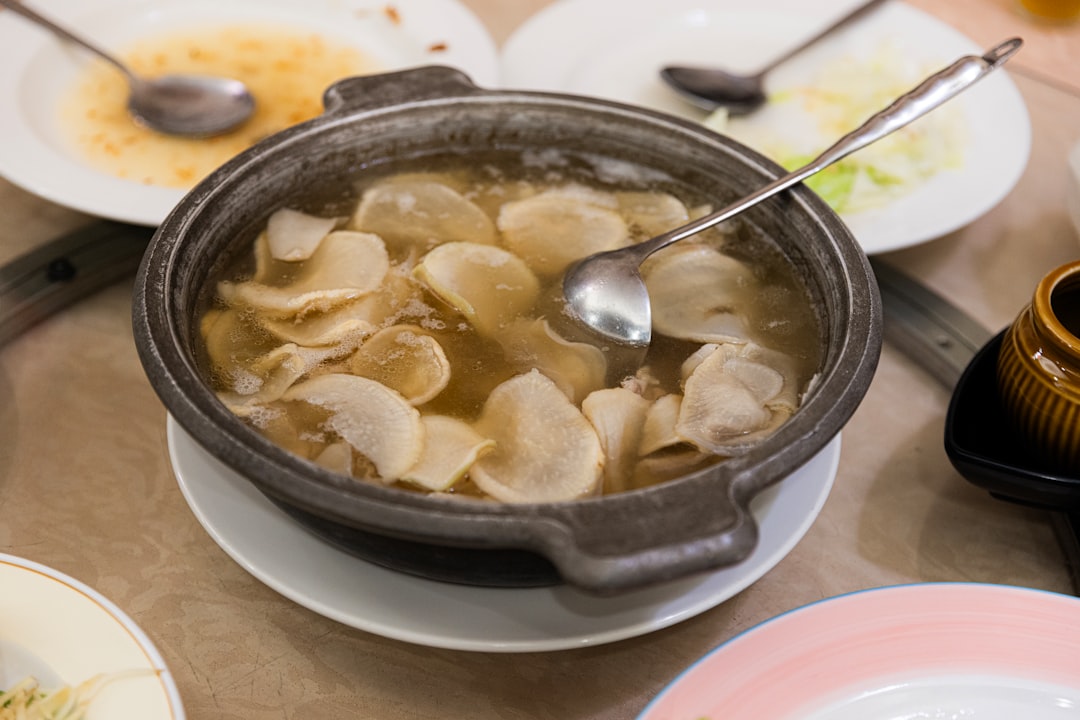
The Hidden Challenges of Confinement Food Planning
Welcoming your first child in Singapore comes with a steep learning curve, and confinement food is often more complex than new parents anticipate. Whether you're from the UK, Australia, India, or anywhere else, the traditional month-long postpartum recovery period (坐月子) can feel overwhelming when you're navigating unfamiliar ingredients, cultural practices, and service providers.
Many expat families make costly mistakes during this crucial recovery period simply because they don't know what to expect. Here are the most common confinement food mistakes new Singapore parents make, and how you can avoid them.
Mistake 1: Waiting Until the Last Minute to Plan
What happens: You're 38 weeks pregnant and suddenly panic about confinement meals, scrambling to find providers just days before delivery.
Why it's problematic: The best confinement food providers in Singapore book up 2-3 months in advance, especially during peak months (September-November, after Chinese New Year). You'll end up with limited options or paying premium rates for last-minute services.
What to do instead: Start researching providers during your second trimester. Book your preferred service by week 32. Popular areas like Tanjong Pagar, Orchard, and Punggol fill up fastest due to high expat and local demand.
Mistake 2: Not Understanding the Cultural Significance
What happens: You dismiss confinement practices as "old wives' tales" or try to modify traditional recipes without understanding their purpose.
Why it's problematic: Traditional confinement food isn't just about nutrition—it's based on Traditional Chinese Medicine (TCM) principles designed to restore your body's balance after childbirth. Randomly changing ingredients can affect the therapeutic benefits.
What to do instead: Spend time understanding the "why" behind common ingredients like ginger (improves circulation), sesame oil (strengthens joints), and red dates (boosts energy). Discuss any dietary restrictions with your provider to find suitable alternatives that maintain the intended benefits.
Mistake 3: Underestimating the True Cost
What happens: You budget SGD 1,000-1,500 for confinement food and get shocked by quotes ranging from SGD 2,500-4,500 for quality providers.
Why it's problematic: Proper confinement meals require premium ingredients—fish maw, bird's nest, high-quality sesame oil, and organic herbs. Factor in delivery costs (SGD 5-10 per delivery) and you're looking at SGD 80-150 per day for comprehensive meal plans.
What to do instead: Budget realistically: SGD 2,500-3,500 for basic packages, SGD 4,000-6,000 for premium services including soups and desserts. Consider partial packages (lunch and dinner only) or splitting costs with your partner's family if budget is tight.
Mistake 4: Choosing Based on Price Alone
What happens: You pick the cheapest option without vetting the provider's hygiene standards, ingredient quality, or reliability.
Why it's problematic: During postpartum recovery, food safety is critical. Poor hygiene practices or substandard ingredients can lead to food poisoning when your immune system is already compromised. Some budget providers also use MSG, preservatives, or cheaper oils that defeat the purpose of confinement nutrition.
What to do instead: Visit the kitchen facilities if possible, ask for ingredient sourcing details, and request references from recent customers. Check if they're registered with Singapore Food Agency (SFA) and have proper food handling certification.
Mistake 5: Ignoring Your Own Dietary Needs
What happens: You accept a standard package without considering allergies, religious restrictions, or personal taste preferences, thinking you just need to "endure" the month.
Why it's problematic: If you can't eat the food, you won't get proper nutrition during a critical recovery period. This defeats the entire purpose of confinement practice and can affect your energy levels and milk production if breastfeeding.
What to do instead: Be upfront about all dietary restrictions. Most reputable providers can accommodate halal requirements, vegetarian preferences, or allergies to shellfish, nuts, or specific herbs. Request a sample menu before committing.
Mistake 6: Not Coordinating with Your Confinement Nanny
What happens: You hire separate food and confinement nanny services without ensuring they can work together effectively.
Why it's problematic: Your confinement nanny might have strong opinions about meal timing, reheating methods, or specific dietary practices that conflict with your food provider's instructions. This can create stress and confusion during an already challenging time.
What to do instead: If hiring separately, introduce your nanny and food provider before delivery. Clarify who's responsible for meal reheating, timing, and any special preparation. Some integrated services provide both nanny and food, which can simplify coordination.
Mistake 7: Overlooking Family Members' Needs
What happens: You focus only on confinement meals for yourself, forgetting that your partner and other family members also need to eat during this period.
Why it's problematic: Your partner will likely be exhausted from night feeds and caring for you. Having only specialized confinement food means someone still needs to cook regular meals or order takeout constantly, adding stress and expense.
What to do instead: Look for providers offering family meal add-ons or cook-and-freeze services. Budget an extra SGD 500-800 for family meals, or batch-cook freezer meals before delivery to reduce the burden on your support system.
Mistake 8: Not Testing Delivery Logistics
What happens: You assume food delivery will work smoothly without considering your housing type, security requirements, or schedule preferences.
Why it's problematic: If you're in a condo with strict security (common in Sentosa Cove, Marina Bay), deliveries might get delayed at the guardhouse. HDB units might have delivery restrictions during certain hours. Cold food or delayed meals disrupt your recovery routine.
What to do instead: Discuss delivery logistics during booking. Provide detailed instructions for condo security, HDB block access, or landed property gates. Test the delivery route with a trial meal if possible, and ensure your helper or family knows the delivery schedule.
Mistake 9: Skipping the Herbs and Soups
What happens: You opt for "food only" packages to save money, skipping traditional herbal soups and teas.
Why it's problematic: The soups and herbal drinks are often the most therapeutic part of confinement nutrition, designed to aid healing, reduce inflammation, and support energy recovery. Without them, you're missing key benefits of the traditional practice.
What to do instead: If budget is tight, prioritize soups over elaborate main dishes. Many providers offer soup-focused packages for SGD 1,800-2,500 that deliver the core benefits. You can supplement with simpler home-cooked meals for variety.
Mistake 10: Not Having a Backup Plan
What happens: Your chosen provider gets sick, has supply issues, or delivers substandard food, leaving you scrambling for alternatives while recovering from childbirth.
Why it's problematic: During the vulnerable postpartum period, meal disruptions can significantly impact your recovery and stress levels. Finding replacement services on short notice often means accepting whatever's available at premium prices.
What to do instead: Research 2-3 backup providers during your planning phase. Keep contact details handy and know their availability requirements. Consider frozen meal services or ask experienced friends in Singapore for emergency recommendations.
Setting Yourself Up for Success
Confinement food planning doesn't have to be overwhelming when you know what to expect. Start early, budget realistically, and don't hesitate to ask detailed questions about ingredients, delivery, and customization options. Remember, this investment in your recovery will pay dividends in your long-term health and energy levels as you adjust to parenthood in Singapore.
Ready to find the right confinement food provider for your family? Get free quotes from verified providers on KakiList and compare options that fit your needs and budget.
Need help finding the right provider?
Get free, no-obligation quotes from verified confinement food providers in Singapore.
Get Free Quotes →