EV Charger Installation Singapore: 15 Key Questions Answered
20 Apr 2026 · 7 min read · EV Charger
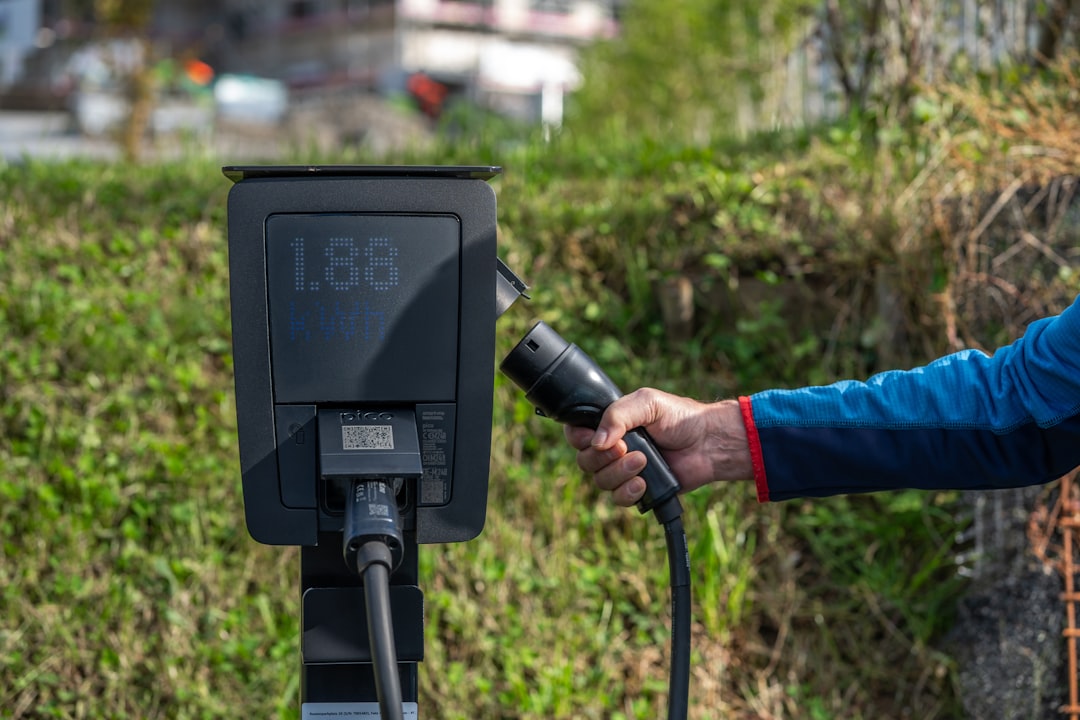
Getting Started with Home EV Charging
How much does EV charger installation cost in Singapore?
Here's what you need to know about the money side of things. A basic 7kW AC home charger costs between $800-$1,500 for the unit itself. But that's just the hardware lah. Installation costs vary dramatically based on your setup - expect $500-$2,000 for straightforward installations, but complex jobs can hit $3,000-$5,000. HDB installations typically cost less since most carparks have accessible electrical infrastructure. Private condos? That's where things get pricey, especially if you need to run cables from your unit or upgrade the electrical panel.
Can I install an EV charger in my HDB carpark?
Yes, but there's a process to follow. You'll need approval from HDB and your town council first - this usually takes 4-6 weeks and costs around $100-$200 in application fees. The good news? Most HDB carparks built after 2020 have pre-installed electrical points, making installation much simpler. Older estates might need electrical upgrades, which can add $800-$1,500 to your bill. One catch - you can't just whack any parking lot. The charger must be installed at your designated parking space, and you'll need to show proof of car ownership plus your EV registration.
Technical Requirements and Setup
What electrical requirements do I need for home EV charging?
Most home EV chargers need a dedicated 32A circuit breaker and proper earthing - basically, your electrical panel needs to handle the extra load. Singapore homes typically have 63A or 100A main supplies, so a 7kW charger (drawing about 32A) should be manageable. However, older HDB flats with 40A supplies might need an upgrade through SP PowerGrid, costing $400-$800. Your installer will conduct a load assessment first - this service costs $150-$300 but saves you from nasty surprises later. Don't try DIY electrical work; you need a licensed electrician for legal compliance.
How long does installation take?
For straightforward installations with existing electrical capacity, expect 4-6 hours of actual work. But here's the real timeline - from booking to completion, you're looking at 2-4 weeks typically. This includes permit applications, electrical assessments, and scheduling. During peak periods (like when new EV models launch), wait times can stretch to 6-8 weeks. Pro tip: book your installation when you order your EV, not after delivery. Some providers offer package deals with car dealerships that can save you $200-$400 on installation costs.
Do I need special permits for EV charger installation?
Absolutely. You'll need an Electrical Installation Licence (EIL) from the Energy Market Authority - but don't worry, your licensed contractor handles this. The permit costs $75-$120 and takes 1-2 weeks to process. For HDB installations, add another permit from your town council. Condo residents need management corporation approval, which can be trickier - some MCs are still hesitant about EV infrastructure. Always check your lease agreement first; some private properties have specific clauses about electrical modifications.
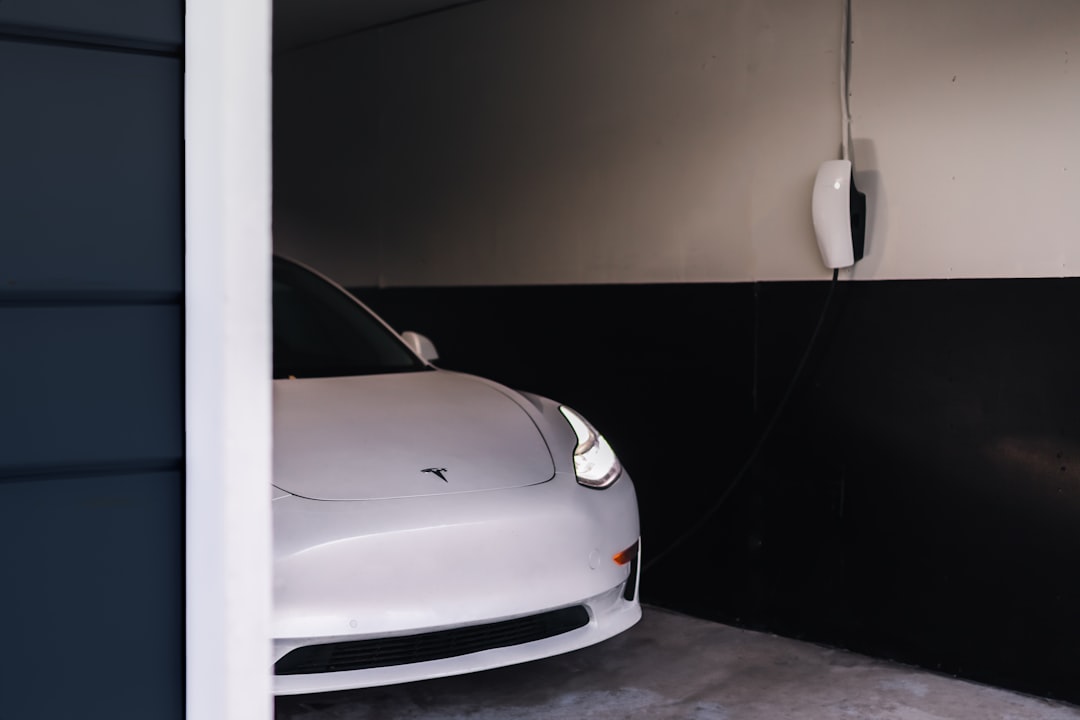
Choosing the Right Charger
What's the difference between 7kW and 22kW home chargers?
The bottom line is charging speed and cost. A 7kW charger adds roughly 35-40km of range per hour - perfect for overnight charging. Most Singapore drivers cover 50-80km daily, so overnight charging easily covers your needs. 22kW chargers are faster but require three-phase power supply, which most Singapore homes don't have. Plus, they cost significantly more - $2,000-$3,500 for the unit plus $1,500-$3,000 extra for three-phase installation. Unless you're doing 200km+ daily, stick with 7kW chargers for better value.
Should I buy a smart charger or basic model?
Smart chargers cost $300-$600 more but offer genuine benefits. You can schedule charging during off-peak hours (10:30pm-7am) when electricity costs 40% less. With current tariffs, this saves roughly $30-50 monthly for average users. Smart features include smartphone monitoring, load balancing, and integration with solar panels if you have them. Basic chargers work fine if you're budget-conscious, but smart chargers typically pay for themselves within 12-18 months through electricity savings alone.
Common Installation Challenges
What if my parking space doesn't have nearby electrical access?
This is where costs can spiral quickly. Running cables from the nearest electrical source can cost $1,000-$4,000 depending on distance and complexity. In HDB carparks, you might need to route cables along ceilings or through existing cable trays - expect $80-$120 per meter of cable run. Some condos require underground cabling, which is even pricier at $150-$250 per meter. Before committing, get quotes from multiple contractors. Sometimes, switching to a different parking space costs less than extensive cable runs.
Can I share one charger between multiple cars?
Technically yes, but it's not practical for daily use. You'd need a portable charger and proper cable management. Load-sharing systems exist but cost $2,000-$4,000 extra and require sophisticated electrical setup. Most families find it cheaper to install two separate 7kW chargers ($3,000-$5,000 total) rather than one shared fast charger. Plus, having dedicated chargers means no jostling for charging time or dealing with cable swapping in the rain.
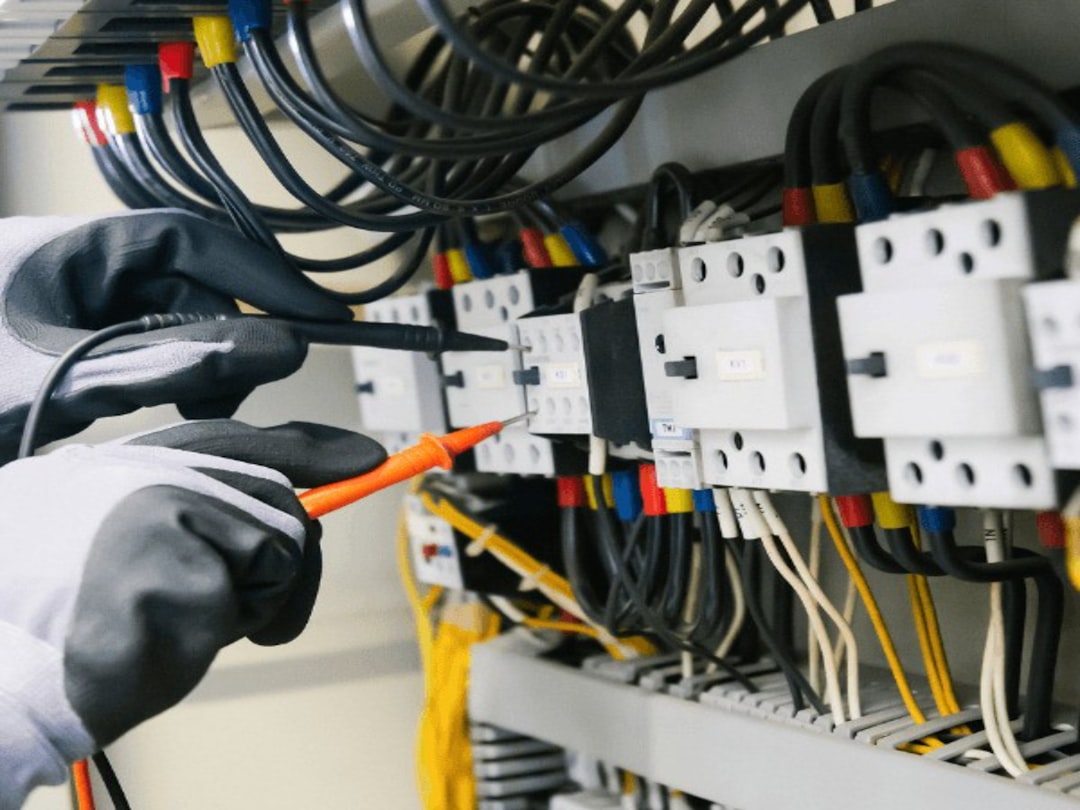
Maintenance and Long-term Considerations
How much does EV charger maintenance cost?
Good news - maintenance costs are minimal. Annual servicing runs $150-$250 and mainly involves checking connections and software updates. Most quality chargers come with 3-5 year warranties covering major components. The main expense is eventual cable replacement due to wear - expect $200-$400 every 5-7 years for heavy users. Smart chargers might need occasional software updates, but these are usually free. Budget roughly $200-$300 annually for maintenance and you'll be covered.
What happens if I move house?
This depends on your charger type and installation method. Portable chargers can move with you, but wall-mounted units typically stay put - they become part of the property's electrical infrastructure. Some premium chargers have modular designs allowing relocation for $400-$800. When selling, EV chargers generally add $1,000-$2,000 to property value, especially in newer developments where EV adoption is higher. If you're renting, consider portable options or negotiate charger installation as a lease improvement with your landlord.
Are there government incentives for home EV chargers?
Currently, Singapore doesn't offer direct rebates for home EV chargers, but there are indirect benefits. The EV Early Adoption Incentive covers up to $25,000 for qualifying electric vehicles, which frees up budget for home charging infrastructure. Some electricity retailers offer special EV tariffs with cheaper overnight rates - these can save $300-$500 annually on charging costs. Additionally, HDB has been piloting EV-ready infrastructure in new BTOs, potentially reducing future installation costs for residents.
Can I install an EV charger if I don't own a car yet?
Yes, but there are considerations. Some permit applications require proof of EV ownership, though this varies by location. Installing EV-ready infrastructure (conduit and electrical capacity without the actual charger) costs $300-$600 and makes future installation much cheaper. This approach works well during home renovations when electrical work is already happening. Just ensure your electrician installs the right electrical capacity - upgrading later costs more than getting it right initially. Future-proofing makes sense if you're planning to buy an EV within 2-3 years.
What if my condo management says no to EV chargers?
This is becoming less common, but some older condos still resist EV infrastructure. Start by presenting a formal proposal highlighting safety standards and insurance coverage - most objections stem from liability concerns. Offer to sign additional agreements taking responsibility for installation and maintenance. Sometimes, proposing a pilot program with a few units helps break the ice. If management remains stubborn, check your lease agreement for electrical modification rights. In extreme cases, you might need legal advice, but most issues resolve through proper documentation and patience.
Ready to electrify your daily commute? Find EV charger providers who understand Singapore's unique requirements and can navigate the permit process smoothly. Get free quotes from verified providers on KakiList and compare options that fit your budget and parking situation.
Need help finding the right provider?
Get free, no-obligation quotes from verified ev charger providers in Singapore.
Get Free Quotes →