Expat Property Investment Guide Singapore 2026: What You Need
5 May 2026 · 7 min read · Property Investment
Why Singapore Property Investment Differs for Expats
Thinking of buying property in Singapore? Here's what you need to know: the rules are very different from back home. Unlike most Western countries where foreigners can freely purchase property, Singapore has strict regulations and hefty additional taxes for non-citizens.
The biggest shock? The Additional Buyer's Stamp Duty (ABSD). Foreign buyers pay an eye-watering 60% ABSD on top of the purchase price as of 2026. That means if you're buying a S$1.5 million condo, you're looking at an extra S$900,000 in taxes alone. Ouch.
But don't panic lah – with the right strategy and understanding of local systems, property investment can still work for expats. Let's break down everything you need to navigate Singapore's property maze.
Understanding Singapore's Property Categories
Singapore divides residential property into distinct categories, each with different rules for foreigners:
| Property Type | Foreign Ownership | ABSD Rate (2026) | Typical Price Range |
|---|---|---|---|
| HDB Flats | Not allowed | N/A | S$400,000 - S$800,000 |
| Private Condominiums | Allowed | 60% | S$800,000 - S$5,000,000+ |
| Landed Properties | Restricted areas only | 60% | S$2,500,000 - S$20,000,000+ |
| Executive Condos (EC) | After 10 years only | 60% | S$900,000 - S$1,800,000 |
HDB flats are public housing – about 80% of Singaporeans live in these. As a foreigner, you're completely locked out unless you become a citizen. Executive Condominiums (EC) are hybrid public-private housing that foreigners can only buy after the 10-year minimum occupation period.
Your realistic options? Private condominiums and landed properties in unrestricted areas (mainly Sentosa Cove for landed).
The ABSD Reality Check: What It Costs
Let's talk numbers because the ABSD will likely be your biggest expense. Here's how it breaks down for different purchase scenarios:
| Property Value | ABSD (60%) | Buyer's Stamp Duty | Total Stamp Duties |
|---|---|---|---|
| S$1,000,000 | S$600,000 | S$29,600 | S$629,600 |
| S$1,500,000 | S$900,000 | S$47,600 | S$947,600 |
| S$2,000,000 | S$1,200,000 | S$64,600 | S$1,264,600 |
| S$3,000,000 | S$1,800,000 | S$104,600 | S$1,904,600 |
The bottom line: budget for at least 70% of your property value in taxes and fees alone. This doesn't include legal fees (S$3,000-S$8,000), valuation fees (S$500-S$800), or mortgage processing fees.
ABSD Remission for New Residents
Here's one potential lifeline: if you become a Singapore Permanent Resident (PR) within four years of purchase, you can apply for ABSD remission. You'll get back the difference between the foreigner rate (60%) and PR rate (30%). That's potentially S$300,000+ back in your pocket on a S$1 million purchase.
Financing: TDSR and Loan Restrictions
Singapore uses the Total Debt Servicing Ratio (TDSR) framework, which caps your total monthly debt obligations at 60% of gross monthly income. This includes everything – car loans, credit cards, personal loans, and your new mortgage.
As a foreigner, banks typically offer:
- Loan-to-Value (LTV): Maximum 75% for properties under S$1.5 million, 55% for higher values
- Interest rates: 3.5% - 4.2% for foreigners (slightly higher than locals)
- Lock-in periods: 2-3 years typically
- Income requirements: Minimum S$30,000 monthly for most private properties
Pro tip: Get your Letter of Offer from a bank before house hunting. Knowing your exact budget prevents heartbreak when you fall in love with something you can't actually afford.
Best Expat-Friendly Neighborhoods for Investment
Different areas attract different expat demographics, affecting rental demand and yields. Here's the insider scoop:
Prime Districts (High Capital Appreciation)
Orchard/Scotts Road (District 9-10): The Beverly Hills of Singapore. Rental yields of 2.5-3.5% but strong capital appreciation. Popular with senior expat executives.
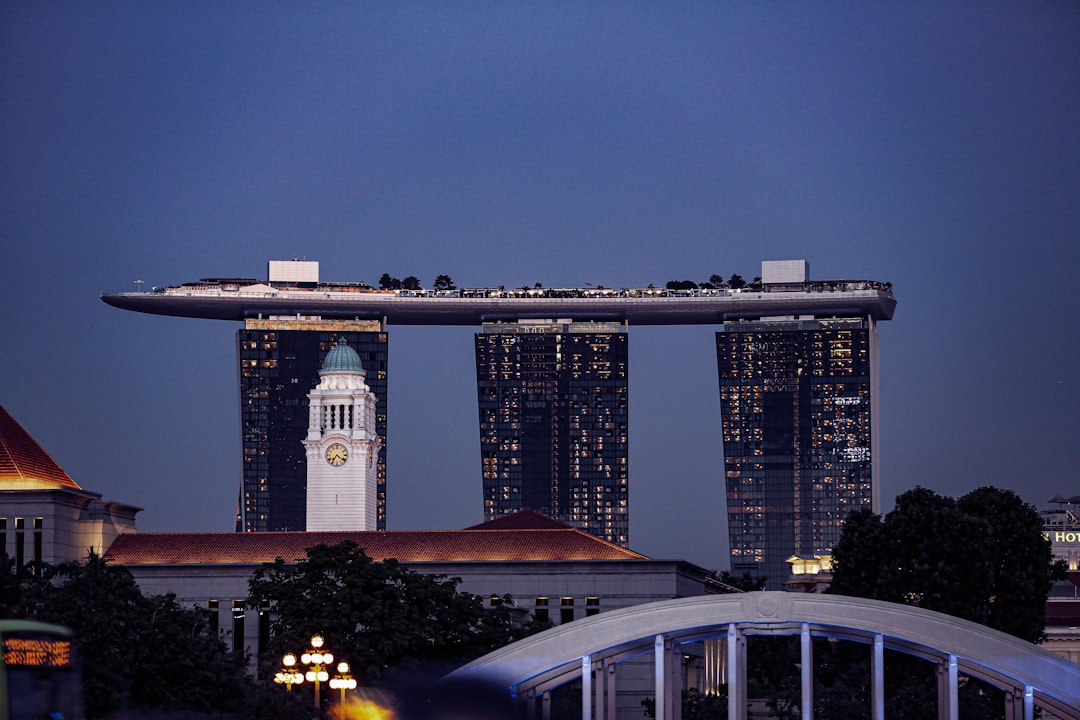
Marina Bay (District 1): Newest luxury district with iconic views. Attracts finance professionals working in CBD. Yields around 3-4%.
Popular Expat Enclaves (Better Yields)
Tiong Bahru (District 2): Hip, heritage area popular with creatives and young expats. Good rental demand, yields 3.5-4.5%.
Tanjong Pagar (District 2): Mix of old and new, walking distance to CBD. Strong rental market, yields 4-5%.
Family-Friendly Suburbs
Holland Village/Bukit Timah (Districts 10-11): Near international schools, popular with expat families. Steady rental demand, yields 3-4%.
East Coast (District 15): Beach proximity, good schools. Growing expat community, yields 4-5%.
| Area | Avg. Condo Price (per sqft) | Typical Rental Yield | MRT Accessibility |
|---|---|---|---|
| Orchard | S$1,800 - S$2,500 | 2.5% - 3.5% | Excellent |
| Tiong Bahru | S$1,400 - S$1,800 | 3.5% - 4.5% | Good |
| Tanjong Pagar | S$1,600 - S$2,200 | 4% - 5% | Excellent |
| East Coast | S$1,200 - S$1,600 | 4% - 5% | Limited |
Visa and Employment Implications
Your visa status affects both purchasing ability and loan eligibility:
Employment Pass (EP) holders: Can purchase and get financing, but banks prefer those with 2+ years local employment history.
S Pass holders: Eligible but may face stricter loan conditions and higher interest rates.
Dependant Pass holders: Can purchase in own name but financing is challenging without independent income.
Work Permit holders: Generally cannot get bank financing for private property.
If you're on EP and planning to buy, avoid job hopping immediately after purchase. Banks can recall loans if employment status changes significantly.
Common Expat Pitfalls to Avoid
Mistake #1: Not factoring in ABSD from day one. Many expats fall in love with a property, then discover they can't afford the total costs. Always calculate ABSD upfront.
Mistake #2: Buying too early in Singapore journey. Many regret purchasing before understanding which neighborhoods truly suit their lifestyle. Rent first, buy later.
Mistake #3: Ignoring maintenance fees. Singapore condos have hefty monthly maintenance (S$300-S$800+ monthly). Factor this into your investment calculations.
Mistake #4: Choosing purely on rental yield. Higher yields often mean less desirable locations with limited capital appreciation potential.
Mistake #5: Not engaging proper legal help. Singapore property law is complex. A good lawyer (S$3,000-S$8,000) can save you much more than they cost.
Timeline and Process Overview
Expect the entire process to take 10-16 weeks:
- Weeks 1-2: Secure financing approval and identify target areas
- Weeks 3-8: Property hunting with registered agent
- Weeks 9-10: Option to Purchase (OTP) and legal review
- Weeks 11-16: Complete legal documentation and financing
The bottom line for expats: Singapore property investment can work, but it requires significant capital, careful planning, and realistic expectations. The high ABSD means you need strong conviction about long-term residence to make the numbers work.
Ready to explore your options? Get free quotes from verified providers on KakiList to connect with experienced property agents who specialize in helping expats navigate Singapore's unique market.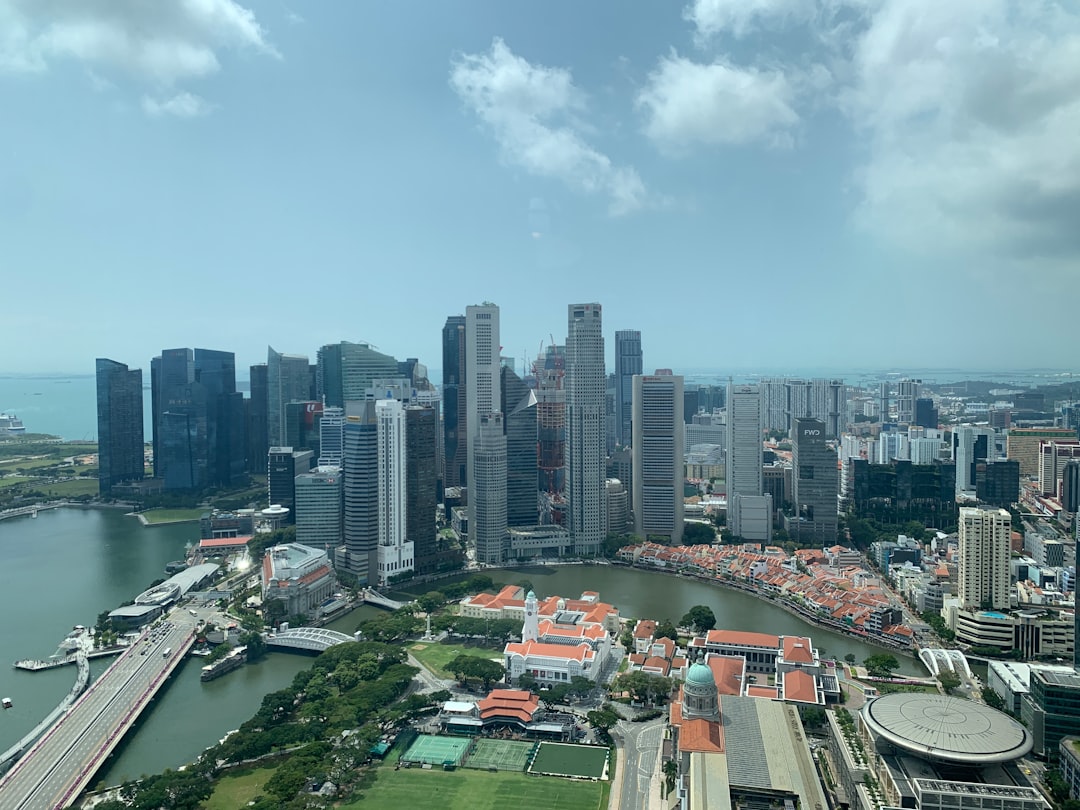
Need help finding the right provider?
Get free, no-obligation quotes from verified property investment providers in Singapore.
Get Free Quotes →