Common Nutrition & Lifestyle Mistakes Expats Make in Singapore
4 May 2026 · 5 min read · Nutrition & Lifestyle
Moving to Singapore brings exciting opportunities, but many expats stumble when adapting their nutrition and lifestyle habits to the local environment. The tropical climate, different food culture, and urban lifestyle can catch newcomers off-guard. Here are eight common mistakes that can derail your health goals – and how to avoid them.
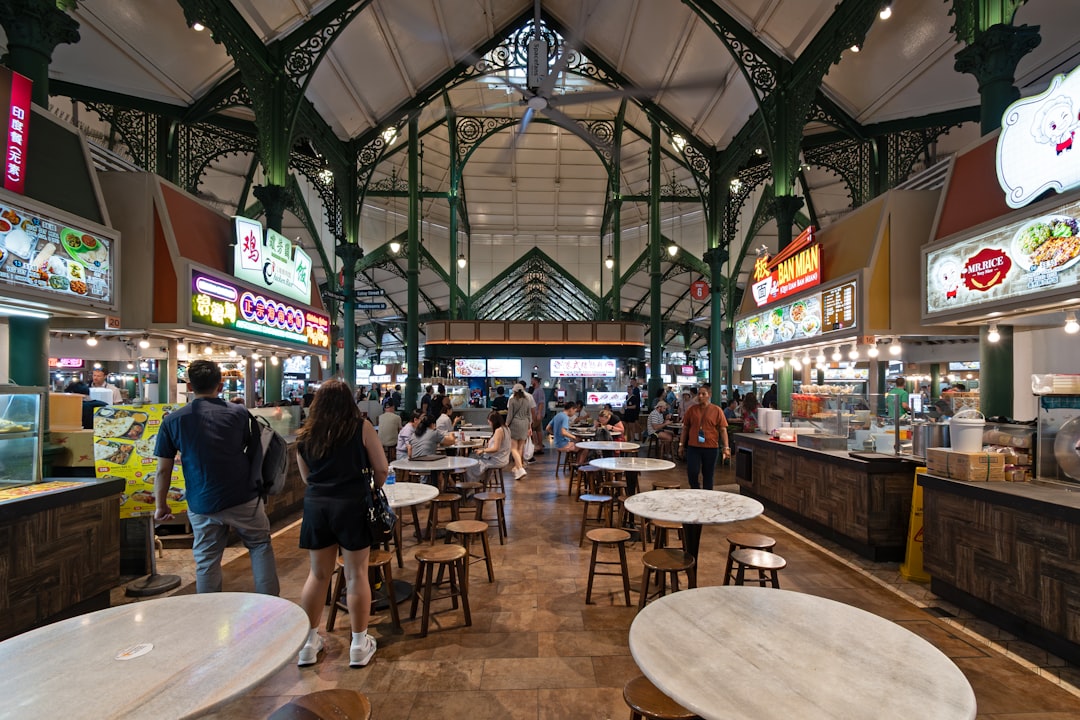
1. Assuming Hawker Food is Always Unhealthy
The Mistake: Many expats avoid hawker centres entirely, thinking all local food is deep-fried and unhealthy. They stick to Western restaurants or cook exclusively at home.
Why It's Problematic: You'll miss out on Singapore's incredible food culture and some genuinely nutritious options. Plus, eating out constantly at Western restaurants will cost significantly more – think SGD 25-40 per meal versus SGD 4-8 at hawker centres.
What to Do Instead: Learn to navigate hawker centres smartly. Look for dishes like yong tau foo (choose more vegetables, less fried items), fish soup, steamed fish with rice, or Indian vegetarian options. Ask for less oil ("少油") or sauce on the side. Many stalls now offer brown rice as an alternative.
2. Not Adjusting Hydration for the Climate
The Mistake: Drinking the same amount of water as you did back home, especially if you're from a temperate climate. Some expats also rely heavily on coffee and alcohol for social activities.
Why It's Problematic: Singapore's humidity (often 80%+) and heat mean you're constantly losing fluids, even indoors. Dehydration leads to fatigue, headaches, and poor concentration – common complaints among new arrivals.
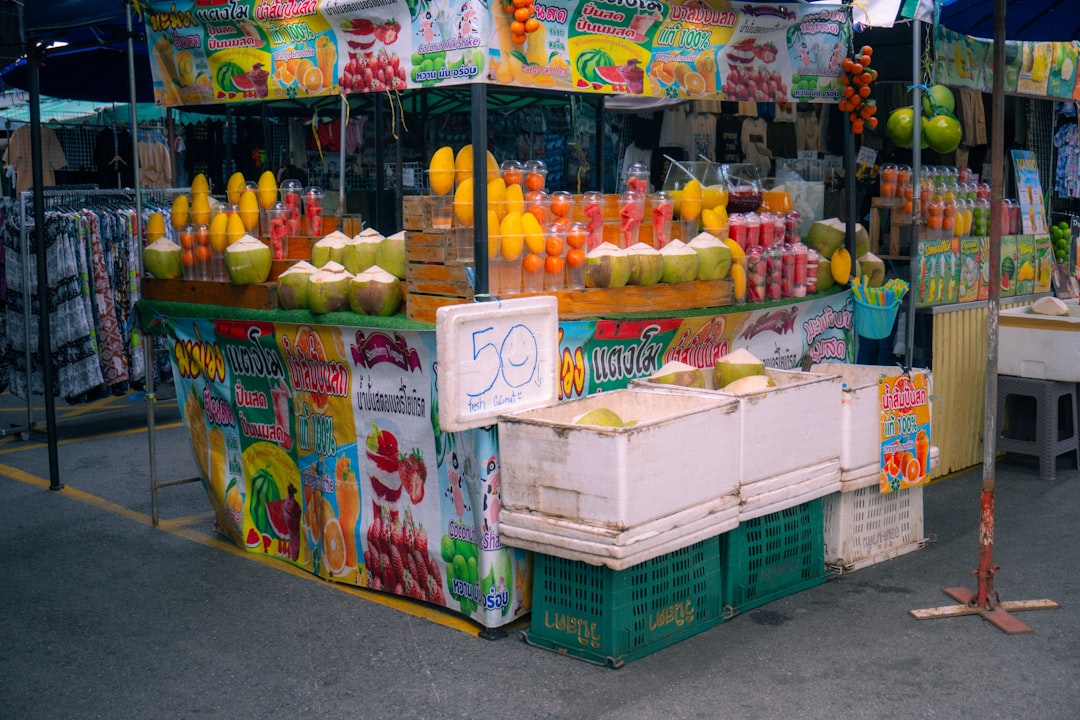
What to Do Instead: Increase your water intake significantly. Aim for 2.5-3 litres daily, more if you're active outdoors. Fresh coconut water is excellent for electrolyte replacement. Keep a water bottle during MRT commutes and while walking between air-conditioned spaces.
3. Over-Relying on Imported Health Foods
The Mistake: Shopping exclusively at expat-focused supermarkets like Cold Storage or Jones the Grocer for familiar brands, spending SGD 200-300 weekly on groceries.
Why It's Problematic: You'll blow your budget and miss local alternatives that are often fresher and more affordable. Singapore imports most food anyway, so "local" often means regional Asian produce.
What to Do Instead: Explore wet markets for fresh produce and learn about regional alternatives. Dragon fruit, rambutan, and local leafy greens like kangkung offer excellent nutrition at fraction of imported prices. Shop at FairPrice or Sheng Siong for basic staples, reserving specialty stores for occasional treats.
4. Ignoring Traditional Chinese Medicine Principles
The Mistake: Dismissing TCM concepts like "heaty" and "cooling" foods as superstition, especially when locals warn against certain food combinations or seasonal choices.
Why It's Problematic: Many Singaporeans, including Western-educated locals, incorporate TCM principles successfully. Ignoring this wisdom might mean missing helpful dietary adjustments for the climate and your constitution.
What to Do Instead: Stay open-minded and observe how your body responds. If you're experiencing skin issues, try reducing "heaty" foods like fried items and durian. Consider consulting a qualified TCM practitioner – many are English-speaking and offer modern approaches combining Eastern and Western nutrition science.
5. Becoming Too Sedentary Due to Heat Avoidance
The Mistake: Avoiding all outdoor exercise because of the heat and humidity, leading to a completely indoor lifestyle moving between air-conditioned spaces.
Why It's Problematic: This creates a cycle of heat intolerance and reduced fitness. You'll also miss Singapore's excellent outdoor spaces and community exercise culture.
What to Do Instead: Exercise early morning (6-8 AM) or evening (after 6 PM) when it's cooler. Use HDB fitness corners – free outdoor gym equipment in residential areas. Try mall walking on particularly hot days. Many condos have well-equipped gyms and pools included in maintenance fees.
6. Supplement Shopping Without Understanding Local Regulations
The Mistake: Ordering supplements online from overseas or buying expensive imported brands without checking local availability or Health Sciences Authority (HSA) approval.
Why It's Problematic: Singapore has strict import regulations for supplements. Your orders might be confiscated, and you could face penalties. Some ingredients legal elsewhere aren't approved here.
What to Do Instead: Check HSA's website for approved supplements before ordering internationally. Guardian, Watsons, and Unity offer wide selections of locally-available options. Consult pharmacists who understand local regulations and climate-specific needs, like increased Vitamin D requirements due to limited sun exposure from indoor lifestyles.
7. Not Adapting Meal Timing to Local Rhythms
The Mistake: Maintaining rigid Western meal schedules without considering Singapore's work culture, social dining patterns, and the heat's effect on appetite.
Why It's Problematic: You might find yourself hungry at odd hours or struggling with heavy meals during the day. Singapore's food culture includes practices like afternoon tea and late dinners that actually suit the climate.
What to Do Instead: Consider lighter lunches during peak heat and larger breakfasts when it's cooler. Embrace the local practice of afternoon snacking with healthier options. Time your main meal for evening when your body can better handle digestion in the heat.
8. Overlooking Mental Health's Impact on Eating Habits
The Mistake: Not recognizing how relocation stress, cultural adjustment, and homesickness affect eating patterns and food choices. Many expats either restrict eating due to anxiety or overeat familiar comfort foods.
Why It's Problematic: Emotional eating or restriction can derail health goals and create negative associations with local food culture. This impacts both physical health and social integration.
What to Do Instead: Acknowledge that dietary changes are part of cultural adjustment. Join expat food groups or cooking classes to explore local cuisine socially. If you're struggling with eating patterns related to relocation stress, consider speaking with a counselor familiar with expat experiences.

Getting Professional Support
Adapting your nutrition and lifestyle to Singapore doesn't have to be overwhelming. Many qualified dietitians and lifestyle coaches understand the unique challenges expats face – from navigating wet markets to adjusting exercise routines for tropical weather.
When choosing a professional, look for those familiar with both international and local food systems. They can help you create sustainable habits that embrace Singapore's food culture while meeting your health goals.
Ready to make positive changes to your nutrition and lifestyle in Singapore? Get free quotes from verified providers on KakiList who understand the expat experience and can guide you toward healthier living in the Lion City.
Need help finding the right provider?
Get free, no-obligation quotes from verified nutrition & lifestyle providers in Singapore.
Get Free Quotes →