Pet Training Myths Debunked: What Singapore Pet Owners Need
29 Apr 2026 · 5 min read · Pet Training
Pet training in Singapore comes with its fair share of old wives' tales and outdated advice. From your auntie insisting that scolding works best to online forums spreading costly myths, misinformation can drain your wallet and stress out your furry friend.
Here's what you need to know: many pet training beliefs that seem logical are actually counterproductive. We've compiled the most persistent myths circulating in Singapore's pet community, complete with the real costs and better alternatives.

Myth 1: Professional Pet Training is Too Expensive for Most Singaporeans
The Myth: Only expat families or wealthy Singaporeans can afford professional pet trainers.
Why People Believe It: Quick Google searches show premium trainers charging $200-300 per session, making it seem like a luxury service.
The Reality: Professional pet training in Singapore ranges widely. Here's the actual breakdown:
| Training Type | Cost Range (SGD) | Duration |
|---|---|---|
| Group classes (basic) | $80-$150 | 4-6 weeks |
| Private sessions | $120-$280 | 1-2 hours |
| Puppy socialization | $60-$120 | Per session |
| Behavioral consultation | $150-$350 | Initial assessment |
Many heartland trainers offer competitive rates. The bottom line? Proper training prevents costly behavioral issues that could lead to property damage or even pet abandonment.
Myth 2: You Can't Train Pets in HDB Flats Effectively
The Myth: Small HDB spaces make proper pet training impossible, especially for larger dogs.
Why People Believe It: Limited space seems inadequate for traditional training methods seen on Western pet shows.
The Reality: Singapore's top trainers specialize in HDB-appropriate methods. Effective training focuses on mental stimulation and controlled exercises rather than space. Void decks, nearby parks, and even your living room provide ample training opportunities.
Professional trainers charge the same rates regardless of your housing type. In fact, HDB-dwelling pets often show better results because owners are more motivated to address behavioral issues quickly in close quarters.
Myth 3: Older Pets Cannot Learn New Behaviors
The Myth: The saying "old dog, new tricks" means senior pets are beyond help.
Why People Believe It: Rescued older pets or long-established bad habits seem impossible to change.
The Reality: Age affects learning speed, not ability. Senior pet training typically requires 20-30% more sessions than puppy training, but success rates remain high. A 8-year-old dog can absolutely learn to stop barking at the lift or walking calmly past other pets.
Budget-wise, expect to add 2-3 extra sessions to your training package, adding roughly $200-$400 to total costs.
Myth 4: Punishment-Based Training is More Effective and Cheaper
The Myth: Scolding, alpha rolls, or dominance techniques work faster than positive reinforcement.
Why People Believe It: Immediate compliance appears to show quick results, and it seems "free" compared to treat-based training.
The Reality: Punishment-based methods often create fearful, unpredictable pets that require expensive behavioral rehabilitation later. Professional behaviorists in Singapore charge $300-$500 for aggression cases often stemming from improper punishment training.
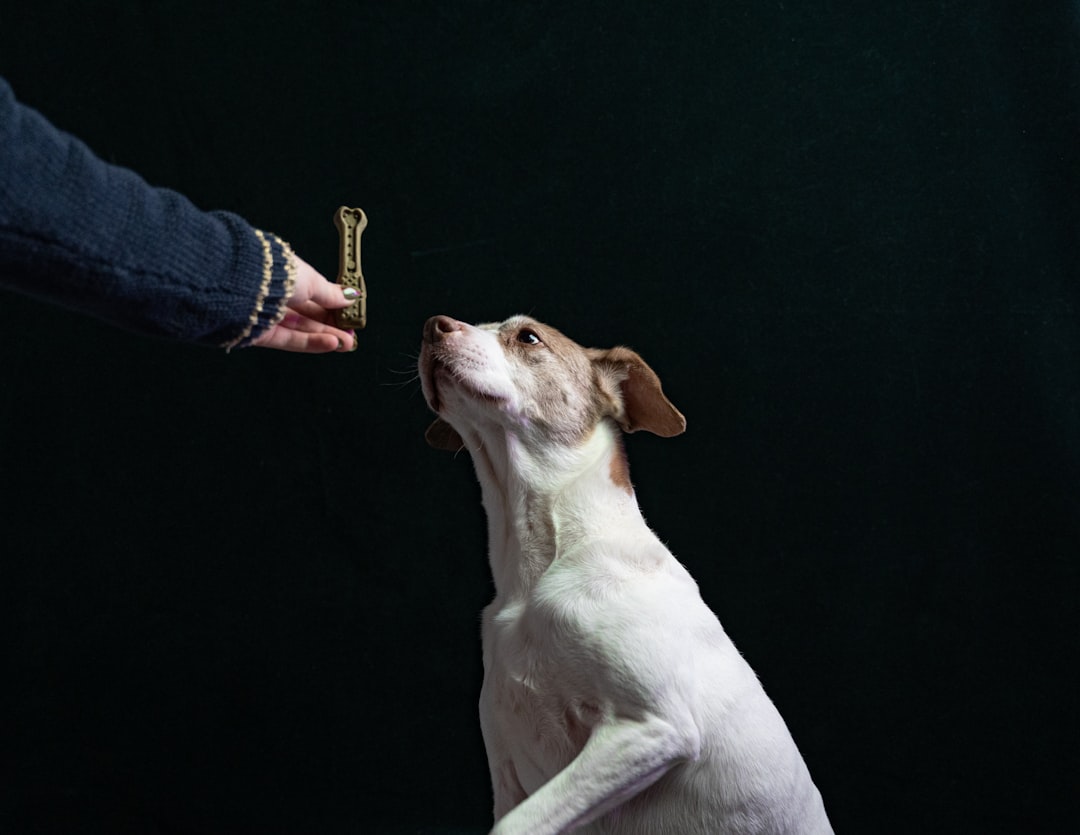
Positive reinforcement training prevents these costly issues. Quality training treats cost $15-$30 monthly – a fraction of potential vet bills or property damage from stressed pets.
Myth 5: Small Dogs Don't Need Professional Training
The Myth: Chihuahuas, Pomeranians, and toy breeds are "naturally well-behaved" or their misbehavior is "cute."
Why People Believe It: Small size makes behavioral issues seem manageable or less threatening.
The Reality: Small dogs often develop more behavioral problems because their aggression gets dismissed as "harmless." In Singapore's dense living environment, a yappy small dog creates more neighbor complaints than a well-trained large breed.
Training costs remain similar regardless of size. Don't let a $3,000 Pomeranian develop behavioral issues that could have been prevented with $200 worth of professional guidance.
Myth 6: Cats Cannot Be Trained Like Dogs
The Myth: Cats are too independent and stubborn for formal training programs.
Why People Believe It: Cats don't respond to commands as obviously as dogs, leading people to assume they can't learn.
The Reality: Cat training is absolutely possible and increasingly popular in Singapore. Professional cat behaviorists charge $150-$250 per session and successfully address litter box issues, scratching problems, and aggression.
The techniques differ from dog training, but results are equally achievable. Many Singapore cat owners report success with clicker training and environmental modification.
Myth 7: DIY Online Training is Just as Good as In-Person Sessions
The Myth: YouTube videos and online courses can replace professional trainers.
Why People Believe It: Online resources are free or cheaper than hiring local trainers.
The Reality: Generic online advice cannot address your specific pet's needs or Singapore's unique environment. Professional trainers assess your HDB layout, local regulations, and cultural context.
| Method | Cost (SGD) | Success Rate | Time to Results |
|---|---|---|---|
| DIY online only | $0-$50 | 30-40% | 6+ months |
| Professional training | $300-$800 | 80-90% | 4-8 weeks |
| Hybrid approach | $150-$400 | 70-80% | 6-10 weeks |
The bottom line: professional guidance prevents expensive mistakes and delivers faster results.
Myth 8: Pet Training Only Addresses Behavioral Problems
The Myth: Training is only necessary when pets misbehave.
Why People Believe It: Training seems reactive rather than proactive.
The Reality: Preventive training strengthens your bond with pets and prevents costly issues. Puppy socialization classes ($60-$120 per session) prevent aggression problems that could cost thousands in behavioral rehabilitation later.
Well-trained pets also have higher adoption rates if circumstances change, protecting your investment in their wellbeing.
What Actually Works in Singapore
Effective pet training in Singapore combines professional guidance with consistent home practice. Find Pet Training providers who understand local regulations, HDB restrictions, and Singapore's multi-cultural pet community.
Budget $300-$600 for comprehensive training programs. This investment prevents behavioral issues, reduces stress for both you and your pet, and creates a harmonious living situation in Singapore's dense urban environment.
Don't let myths cost you money or your pet's happiness. Professional trainers exist at every price point, and proper training pays for itself through prevented problems and improved quality of life.
Ready to find the right trainer for your pet? Get free quotes from verified providers on KakiList and start your pet's training journey with confidence.
Need help finding the right provider?
Get free, no-obligation quotes from verified pet training providers in Singapore.
Get Free Quotes →