Property Rental in Singapore: Complete Expat Guide 2026
2 May 2026 · 8 min read · Property Rental
Understanding Singapore's Rental Market as a Newcomer
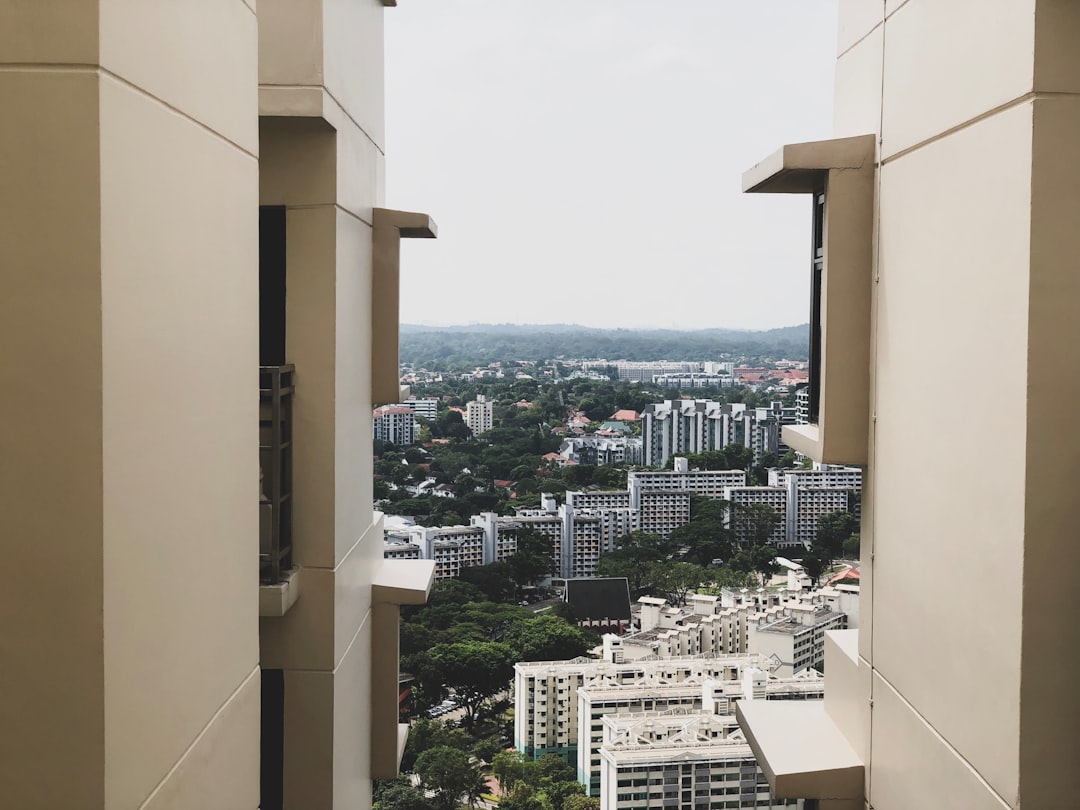
Moving to Singapore and navigating the property rental Singapore market can feel overwhelming, especially when you're dealing with unfamiliar acronyms like HDB, TDSR, and MOM regulations. Unlike rental markets back home where you might deal directly with landlords, Singapore's system involves specific rules around work permits, levy payments, and housing types that vary dramatically based on your visa status.
The good news? Once you understand the basics, finding your perfect home becomes much more straightforward. This guide will walk you through everything from HDB eligibility to condo hunting in expat-friendly neighbourhoods.
Types of Housing Available for Expats
HDB Flats: Public Housing with Restrictions
HDB (Housing Development Board) flats are Singapore's public housing – think of them as government-built apartments that house about 80% of Singaporeans. These range from 2-room to 5-room flats, typically costing SGD 1,800-4,500 monthly depending on location and size.
Here's the catch: most expats cannot rent HDB flats directly. Only Singapore citizens and Permanent Residents can be primary tenants. However, you might rent a room in an HDB flat from a citizen, subject to MOM (Ministry of Manpower) regulations about the maximum number of foreign tenants allowed.
Private Condominiums: The Expat Favourite
Condos are your most straightforward option for property rental Singapore. These come with facilities like pools, gyms, and security, ranging from SGD 3,500-8,000+ monthly for 2-3 bedroom units in expat-popular areas. Unlike many Western countries where such amenities are luxury additions, they're standard in Singapore condos.
Landed Properties: Houses for Larger Families
Landed homes (terrace houses, semi-detached, or bungalows) offer more space but come with premium pricing – expect SGD 6,000-15,000+ monthly. Popular in areas like Bukit Timah and Holland Village, these suit expat families needing garden space or multiple bedrooms.
Visa and Work Permit Implications
Your employment pass type directly affects your rental options and obligations:
Employment Pass (EP) and S Pass Holders
If you're on an EP or S Pass, you can rent any private property without restrictions. However, your employer may need to pay a Foreign Worker Levy – this ranges from SGD 330-950 monthly depending on your salary tier and the company's foreign worker quota.
Work Permit Holders
Work Permit holders face more restrictions and higher levies (SGD 300-800 monthly). Your housing options might be limited to dormitory-style accommodation or specific HDB arrangements approved by MOM.
Important: Always ensure your employer has declared your housing arrangement to MOM. Undeclared rentals can result in work permit cancellation.
Understanding TDSR and Financial Requirements
TDSR (Total Debt Servicing Ratio) primarily affects property purchases, but some landlords apply similar income verification for rentals. Generally, expect to provide:
- Employment letter stating your salary
- Bank statements from the past 3 months
- Copy of your work permit/employment pass
- Security deposit (typically 1-2 months' rent)
- First month's rent in advance
Unlike rental markets in the US or UK where credit checks are standard, Singapore relies more on income verification and upfront payments.
Neighbourhood Guide for Expats
Orchard/Tanglin Area
Premium location with easy access to international schools and shopping. Popular with American and European expat families. Expect SGD 4,500-8,000 for 2-3 bedroom condos. The trade-off? Higher costs and tourist crowds.
Tiong Bahru/Tanjong Pagar
Trendy neighbourhoods mixing local culture with expat amenities. Great hawker centres nearby and excellent MRT connectivity. Rentals range SGD 3,500-6,500 for similar-sized units.
East Coast/Marine Parade
Beachfront living with a more relaxed vibe. Popular with Australian and British expats who love the coastal lifestyle. Slightly more affordable at SGD 3,200-5,500 monthly.
Punggol/Sengkang (Heartland Areas)
Newer developments in Singapore's 'heartland' (local residential areas). More space for your money at SGD 2,800-4,500, but expect longer commutes to the CBD via MRT.
The Rental Process: Step-by-Step
Step 1: Determine Your Budget
A good rule of thumb: don't spend more than 30% of your gross monthly salary on rent. Remember to factor in utilities (SGD 100-200 monthly), internet (SGD 40-80), and condo maintenance fees if applicable.
Step 2: Engage a Property Agent
Unlike some countries where you might search independently, Singapore's property rental market heavily relies on agents. They typically charge 1 month's rent as commission, split between tenant and landlord.
Step 3: Viewing and Application
Popular properties move fast – sometimes within days. Come prepared with all documents and be ready to make decisions quickly. It's not uncommon to secure a property the same day you view it.
Step 4: Tenancy Agreement
Standard tenancy agreements run 1-2 years. Ensure it includes:
- Inventory list of furnished items
- Utility payment responsibilities
- Aircon servicing arrangements (crucial in Singapore's climate)
- Early termination clauses
Common Expat Pitfalls to Avoid
Underestimating Cooling Costs
Air conditioning isn't optional in Singapore – it's survival. Budget SGD 150-300 monthly for electricity, especially if you're coming from temperate climates and aren't used to 24/7 aircon usage.
Ignoring Flood Risk Areas
Some areas experience flash flooding during heavy rain. Check recent flood incident reports, especially for ground-floor units or basement parking access.
Overlooking Transport Links
Singapore's MRT system is excellent, but living far from stations can make commuting challenging. Factor in taxi costs (SGD 15-40 for typical CBD trips) if you're not near public transport.
Not Understanding Lease Terms
Unlike month-to-month rentals common elsewhere, Singapore leases are typically rigid. Breaking a lease early often means forfeiting your deposit plus additional penalties.
Budgeting for Hidden Costs
Beyond rent, budget for:
- Security deposit: 1-2 months' rent (refundable)
- Agent commission: 1 month's rent
- Legal fees: SGD 300-500 if using a lawyer
- Utilities connection: SGD 50-100 setup fees
- Contents insurance: SGD 200-400 annually
Making Your Move Smoother
Start your housing search 4-6 weeks before your intended move-in date. Popular areas and reasonably-priced units get snapped up quickly, but starting too early means missing out on immediate availability.
Consider temporary housing for your first month while you search properly. Many expats rush into unsuitable long-term leases due to time pressure upon arrival.
Ready to start your property rental Singapore journey? Get free quotes from verified providers on KakiList and connect with experienced agents who understand expat needs and can guide you through the local process smoothly.
Need help finding the right provider?
Get free, no-obligation quotes from verified property rental providers in Singapore.
Get Free Quotes →