Real Stories: How 3 Families Found Nursing Homes in SG
31 May 2026 · 6 min read · Nursing Homes
Finding the right nursing homes Singapore families can trust isn't just about browsing brochures or checking online reviews. Real decisions happen around kitchen tables, during family meetings, and through countless site visits. Here's what you need to know from three Singapore households who've walked this path.
These aren't sanitised success stories – they're real experiences from families who navigated costs, emotions, and logistics to find suitable care for their loved ones.
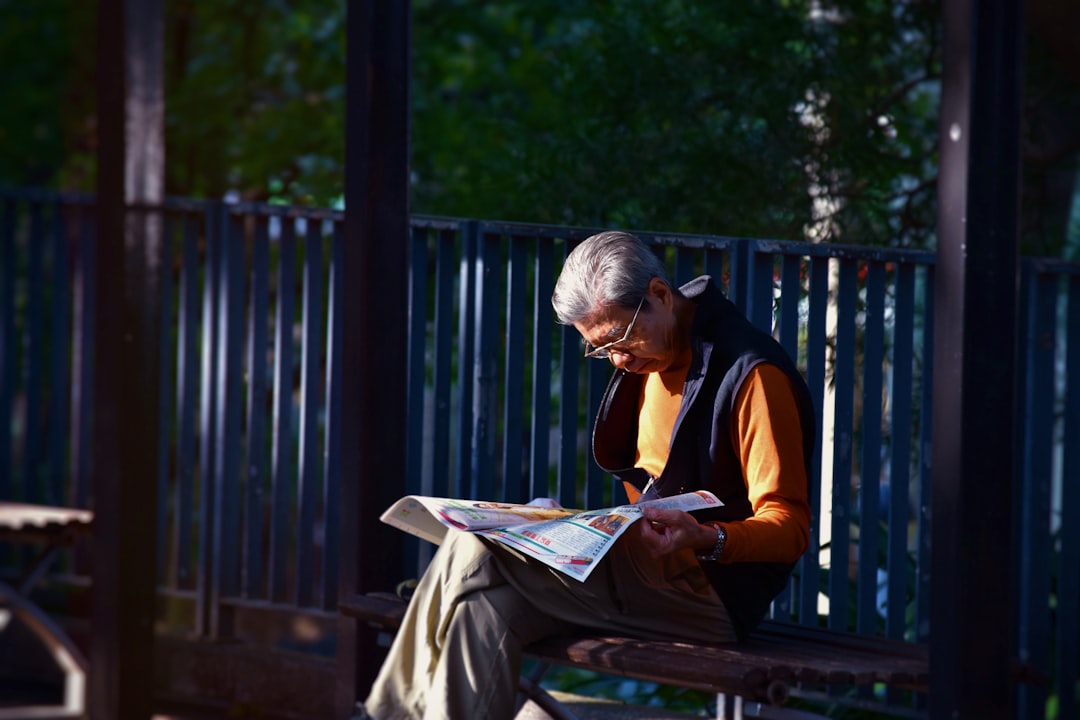
The Lims: From Tampines HDB to Pasir Ris Nursing Home
Family Profile: The Lim family – working parents in their 50s with two teenage children, living in a 4-room HDB flat in Tampines. Ah Ma (grandmother) lived with them for eight years after Ah Gong passed away.
The Situation: When 78-year-old Ah Ma developed dementia and mobility issues in late 2025, the family hit a wall. Mrs Lim, a bank officer, was spending her lunch breaks rushing home to check on Ah Ma. Mr Lim, who works shifts at Changi Airport, couldn't maintain consistent care schedules.
"Cannot go on like this," Mrs Lim told her husband after finding Ah Ma confused and distressed one evening. "She needs proper care, but we all working."
What They Did: The family visited five nursing homes across the East side over six weeks. Their shortlist included facilities in Bedok, Pasir Ris, and Tampines. They prioritised proximity (within 30 minutes by MRT) and Mandarin-speaking staff, since Ah Ma spoke limited English.
The Costs: Here's what they discovered during their search:
| Facility Location | Monthly Fee | Admission Fee | Notable Features |
|---|---|---|---|
| Bedok North | S$2,800 | S$1,500 | Shared rooms, basic care |
| Pasir Ris | S$3,200 | S$2,000 | Semi-private rooms, activities |
| Tampines Central | S$3,800 | S$3,000 | Private rooms, specialised dementia care |
They chose the Pasir Ris facility at S$3,200 monthly, plus a S$2,000 admission fee. Additional costs included S$200 monthly for incontinence supplies and S$150 for physiotherapy sessions twice weekly.
What They Learned: "Visit during meal times and evening shifts," advises Mr Lim. "Day shift always look good, but night shift shows you real care standards." The family also discovered that ElderShield and Medisave helped offset some costs, reducing their out-of-pocket expenses by about S$600 monthly.
The Rajahs: Emergency Placement After Stroke
Family Profile: Single-income household in Jurong West. Mr Rajah works as a technician while his wife cares for their three young children. His 72-year-old father lived in a nearby 3-room flat.
The Situation: Everything changed when Mr Rajah's father suffered a major stroke in March 2026. After two weeks in NUH, doctors recommended either 24-hour home nursing or residential care. With three kids under 10 and limited space, home nursing wasn't viable.
"We had maybe four days to decide," recalls Mr Rajah. "Hospital discharge planner gave us a list, but how to choose when you're stressed and got no time?"
What They Did: Unlike the Lims' methodical approach, the Rajahs needed immediate placement. They contacted nursing homes providers in western Singapore, focusing on post-stroke rehabilitation capabilities rather than amenities.
The Costs: Emergency placement limited their options significantly:
| Timeline | Facility | Monthly Cost | Availability |
|---|---|---|---|
| Immediate | Jurong Point vicinity | S$4,200 | Yes, private room |
| 2 weeks wait | Boon Lay area | S$3,600 | Semi-private |
| 1 month wait | Clementi | S$3,100 | Shared room |
They accepted the immediate placement at S$4,200 monthly, plus S$2,500 admission fee and S$800 monthly for intensive physiotherapy. Total first-month cost: S$7,500.
The bottom line: emergency placements cost significantly more. Six months later, they transferred their father to the Boon Lay facility when a semi-private room opened up, reducing monthly costs by S$600.
What They Learned: "Start looking early, even if you think you don't need it yet," says Mr Rajah. They also discovered that stroke rehabilitation programs vary dramatically between facilities. Some focus on maintenance care, while others actively work toward functional recovery.
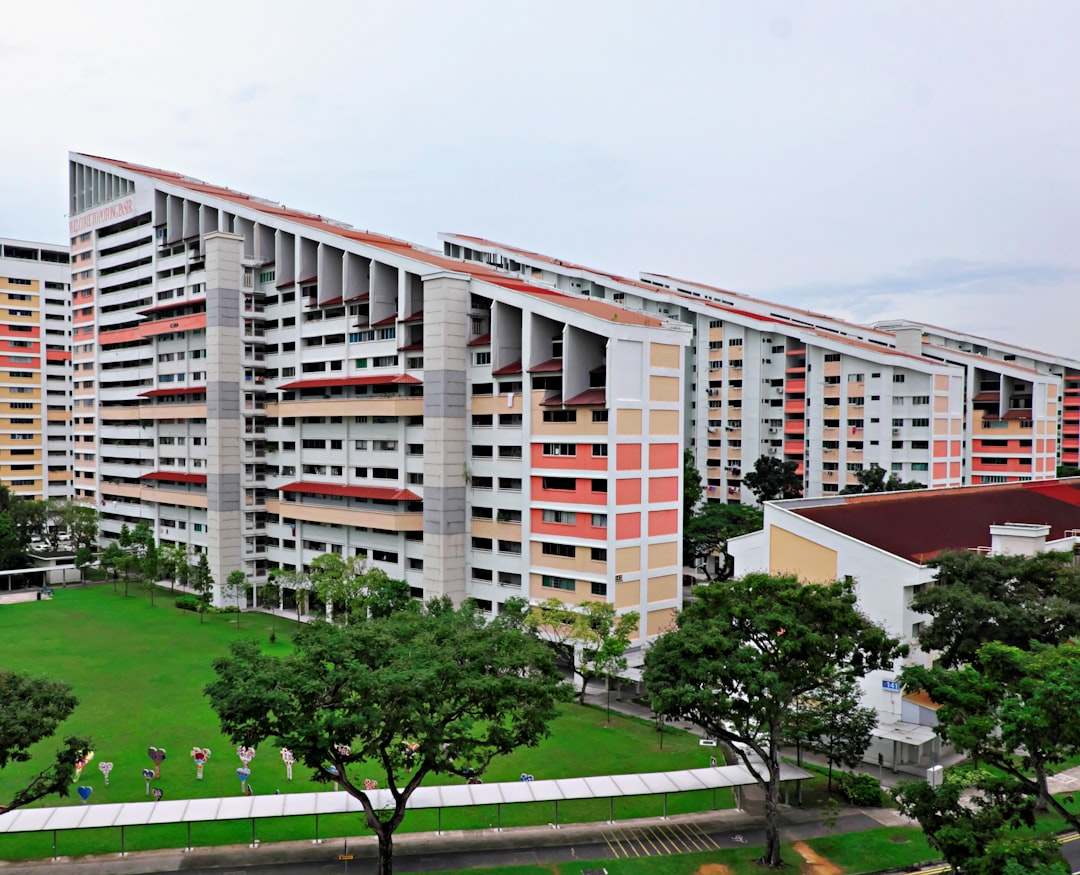
The Wongs: Luxury Care in Central Singapore
Family Profile: Affluent family living in a landed property in Bukit Timah. Both Mr and Mrs Wong are professionals – he's a senior partner at a law firm, she's a consultant physician. Mrs Wong's 80-year-old mother had been living independently in a nearby condo.
The Situation: After a series of minor falls and increasing forgetfulness, the family decided that independent living was no longer safe. Unlike the previous families, cost wasn't the primary concern – quality of care and maintaining dignity were priorities.
What They Did: The Wongs visited premium facilities in central Singapore, including boutique nursing homes that feel more like hotels than medical facilities. They prioritised single rooms, gourmet meal options, and extensive recreational programs.
The Costs: Their budget allowed for premium options:
| Facility | Monthly Fee | Room Type | Special Features |
|---|---|---|---|
| Orchard area | S$6,800 | Studio suite | Concierge service, chef-prepared meals |
| River Valley | S$5,500 | Large private | Garden views, daily housekeeping |
| Novena vicinity | S$7,200 | Apartment-style | Kitchenette, family visiting suite |
They selected the Novena facility at S$7,200 monthly, plus a S$5,000 admission fee. Additional services included weekly beauty treatments (S$200), private physiotherapy (S$400 monthly), and premium meal plans (S$300).
What They Learned: "Expensive doesn't automatically mean better care," notes Mrs Wong. "We found some mid-range facilities with more attentive staff than premium places." They emphasised checking staff-to-resident ratios and speaking directly with current families rather than just touring show rooms.
Shared Lessons Across All Three Stories
Despite their different circumstances, these families learned similar lessons about finding quality nursing homes Singapore offers:
Start Your Search Early
The Rajahs paid a premium for emergency placement, while the Lims' methodical six-week search saved them nearly S$1,000 monthly. Good facilities often have waiting lists, especially for preferred room types.
Look Beyond the Marketing Materials
All three families emphasised visiting during different times and days. Evening and weekend visits reveal true staffing levels and care quality. The Wongs discovered that some premium facilities had high staff turnover, affecting continuity of care.
Understand Total Costs
Basic monthly fees are just the starting point. Factor in:
- Admission fees (S$1,500 - S$5,000)
- Medical supplies and incontinence products (S$150 - S$400 monthly)
- Physiotherapy and additional therapies (S$150 - S$800 monthly)
- Personal care services (S$100 - S$500 monthly)
Know Your Financial Options
ElderShield payouts, Medisave withdrawals, and Pioneer Generation subsidies can significantly reduce costs. The Lims saved S$600 monthly through these schemes, while the Rajahs qualified for additional stroke rehabilitation subsidies.
Location Matters More Than You Think
Proximity affects visitation frequency and family involvement in care. The Lims visit Ah Ma twice weekly, maintaining strong family connections. The Rajahs' choice to stay within western Singapore means their children can visit after school activities at nearby Jurong Point.

Making Your Decision
These three families show that there's no one-size-fits-all approach to choosing eldercare. Whether you're dealing with emergency placement like the Rajahs, methodical planning like the Lims, or seeking premium care like the Wongs, the key is understanding your specific needs and constraints.
Ready to start your search? Get free quotes from verified providers on KakiList to compare options that match your family's needs and budget.
Need help finding the right provider?
Get free, no-obligation quotes from verified nursing homes providers in Singapore.
Get Free Quotes →