Singapore Playgrounds 2026: What's Changed for Families
19 Apr 2026 · 5 min read · Singapore Playground Guide: Best Ones by Region
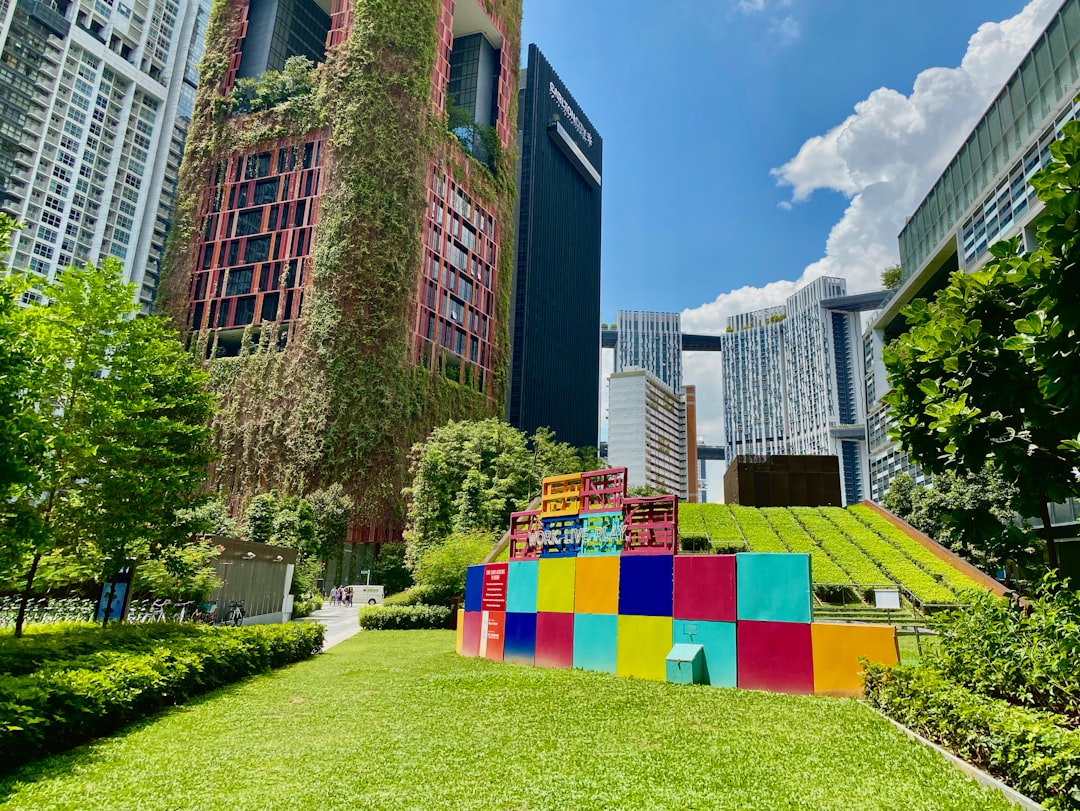
The Singapore Playground Revolution: What's New in 2026
If you've been living in Singapore for a few years, you'll notice something different about playgrounds lately. The Lion City has undergone a major playground transformation since 2024, and as an expat parent, these changes significantly impact where and how your family spends weekend time. This comprehensive Singapore playground guide breaks down everything that's changed in 2026 — from revolutionary inclusive designs to smart playground technology that would make your home country jealous.
The shift isn't just cosmetic. Singapore's playground evolution reflects broader changes in urban planning priorities, accessibility standards, and post-pandemic family needs that directly affect expat families choosing where to live and play.
The Big Picture: What's Driving These Changes
Three major forces reshaped Singapore's playground landscape between 2024 and 2026:
- Universal Design Implementation: Following the Enabling Masterplan 2030, all new playgrounds must meet enhanced accessibility standards
- Smart Nation Integration: Digital features now complement traditional play equipment in selected locations
- Climate Resilience: More covered and weather-adaptive playground spaces due to increasingly unpredictable weather patterns
For expat families, this means dramatically improved options regardless of your child's abilities or Singapore's famously intense weather.
Regional Breakdown: What's New Where You Live
Central Region: Orchard to Marina Bay
The Central region — where many expats live in condos near Orchard Road, River Valley, and Tanjong Pagar — saw the most dramatic upgrades. The new Marina Bay Inclusive Playground (opened January 2026) features Singapore's first fully wheelchair-accessible tree house structure and sensory play zones designed for children with autism spectrum disorders.
Key Changes:
- Fort Canning Park's heritage playground now includes QR-code historical storytelling features
- Esplanade Park's waterfront playground added covered sections after feedback from expat parents about sun exposure
- Pearl's Hill City Park introduced Singapore's first adaptive swing sets
Cost Impact: Parking fees increased to SGD $3-5 per hour at popular central playgrounds, but most now offer 30-minute grace periods.
East Coast: Marine Parade to Changi
East Coast Park — long beloved by expat families for weekend cycling and beach time — underwent major renovations. The new Area C playground (completed March 2026) features modular equipment that adapts to different age groups throughout the day.
Notable Additions:
- Tampines Hub's indoor playground expanded by 40% with climate-controlled zones
- Bedok Reservoir Park added floating playground elements (yes, on the water!)
- Changi Beach Park introduced nature-integrated play structures using reclaimed wood
The East Coast changes particularly benefit expat families living in Marine Parade, Katong, or Siglap who want beach proximity with enhanced playground options.
North: Woodlands to Yishun
Northern Singapore — increasingly popular with expat families seeking larger HDB flats and international school access — received significant playground investment. Sembawang Park's new adventure playground (opened February 2026) rivals anything you'd find in Scandinavia.
Major Upgrades:
- Woodlands Waterfront Park's playground now connects directly to the jetty via accessible pathways
- Yishun Park's inclusive playground features Singapore's first publicly accessible sensory room
- Sembawang Hot Springs Park added therapeutic play elements incorporating natural hot spring themes
West: Jurong to Tuas
Western Singapore, home to many expat families working in Jurong's industrial parks or living near international schools like Canadian International School, saw playground developments focused on educational play.
Key Developments:
- Chinese Garden's playground now incorporates traditional Chinese architectural elements in play structures
- Jurong Lake Gardens added STEM-focused interactive learning stations
- Bukit Batok Nature Park introduced Singapore's first tree-canopy adventure course for ages 5-12
The Technology Integration: Smart Playgrounds Arrive
Perhaps the most surprising development for expat families coming from countries where playgrounds remain decidedly analog: Singapore's embrace of smart playground technology.
Digital Features Now Common:
- Interactive projection games on playground surfaces
- Mobile app integration for playground equipment booking during peak hours
- Digital leaderboards for climbing walls and obstacle courses
- QR codes linking to multilingual safety instructions (helpful for domestic helpers from various countries)
The Punggol Waterway Point playground serves as the pilot for these features, with expansion planned to 50 locations by end-2026.
Accessibility Revolution: Universal Design in Practice
This represents the most significant change for expat families with special needs children. Singapore's 2026 playground standards now mandate:
- Transfer Platforms: Every playground includes platforms allowing wheelchair users to access elevated play areas
- Sensory Considerations: Quiet zones for children with sensory processing differences
- Surface Improvements: All new playgrounds feature wheelchair-accessible rubber surfacing extending beyond equipment areas
- Communication Boards: Visual communication aids in multiple languages
The Bishan-Ang Mo Kio Park playground exemplifies these changes, featuring ramps, tactile play panels, and adjusted equipment heights that accommodate children of all abilities.
Pricing and Access Changes
Most playground access remains free, but related costs shifted:
| Service | 2024 Price | 2026 Price | Notes |
|---|---|---|---|
| Central area parking | SGD 1.20-2.40/hour | SGD 3-5/hour | 30-min grace period added |
| Indoor playground access | SGD 8-12/child | SGD 10-15/child | Extended operating hours |
| Equipment rental (bikes, etc.) | SGD 5-8/hour | SGD 8-12/hour | Better maintenance standards |
| Birthday party packages | SGD 150-300 | SGD 200-400 | Include accessibility accommodations |
What to Expect Next: 2027 and Beyond
Based on current planning applications and government announcements, expect these developments:
- Integrated Transport Links: More playgrounds directly connected to MRT stations via covered walkways
- Vertical Playgrounds: Multi-story playground structures in land-scarce areas
- Community Integration: Playgrounds increasingly co-located with eldercare facilities for intergenerational interaction
- Climate Adaptation: More underground and air-conditioned playground spaces
Practical Tips for Expat Families
Navigating this new playground landscape requires some strategy:
- Peak Hours: Avoid 10am-12pm and 4pm-6pm on weekends at popular locations
- Weather Apps: Download NEA's weather app — sudden downpours still disrupt outdoor play despite more covered areas
- Accessibility Features: Even if your child doesn't need them, inclusive features often provide unique play experiences
- Parking Strategy: Consider nearby HDB carparks for cheaper rates, especially in central areas
Singapore's playground transformation reflects the country's broader evolution into a more inclusive, technology-integrated society. For expat families, these changes mean better options, enhanced accessibility, and play experiences that might exceed what you left behind in your home country.
Explore trending Singapore topics on KakiList for more insights on family life in Singapore, or explore more guides and services on KakiList to connect with family-friendly service providers who understand the expat experience.
Explore more on KakiList
Discover guides, compare services, and find trusted providers across Singapore.
Browse All Articles →