Special Needs School Singapore: An Expat Family Guide
25 Sep 2026 · 8 min read · Special Needs School
Relocating to Singapore is stressful enough with the visa paperwork, the house-hunting, and figuring out where to buy proper bread. Add a child with additional learning or developmental needs into the mix, and the anxiety multiplies fast. The good news: Singapore actually has a fairly structured system for special needs school Singapore placements — it's just very different from what you're likely used to in the US, UK, Australia, or India, and almost nobody explains it to you upfront. This guide breaks down how it actually works.
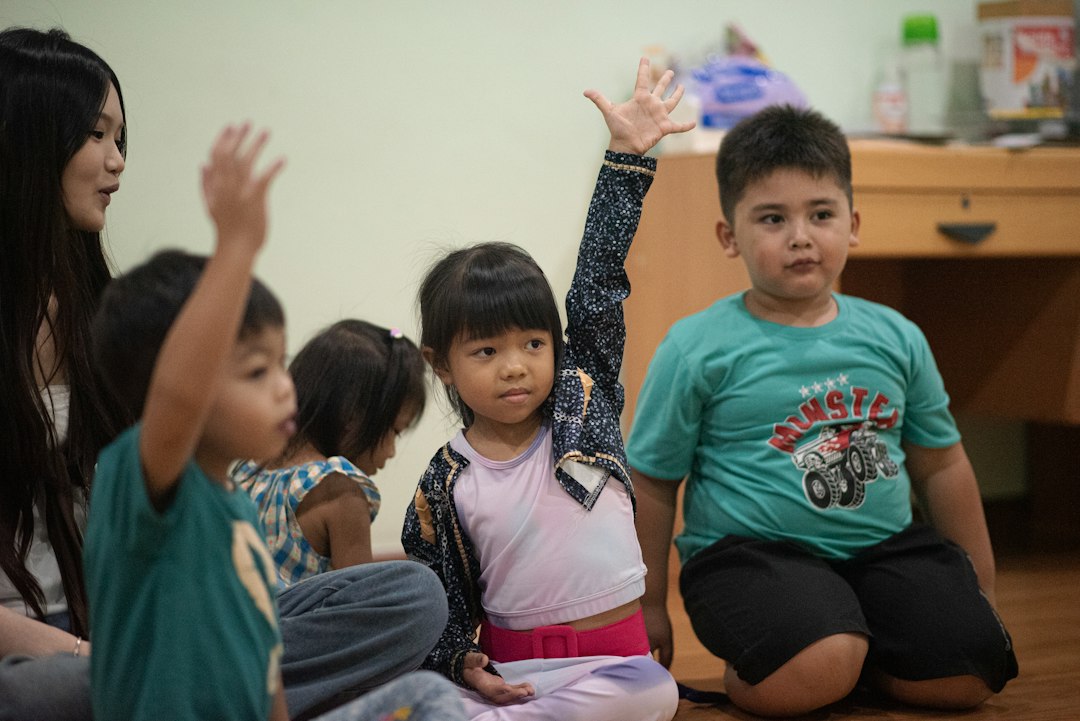
How Special Needs Education Works Differently Here
In many Western countries, mainstream public schools are legally required to accommodate children with special needs through individualised education plans (IEPs), with the school district footing most of the bill. Singapore's system is structured differently.
Children with mild to moderate needs (say, ADHD, mild dyslexia, or high-functioning autism) are often integrated into mainstream MOE (Ministry of Education) schools with learning support, especially at primary level through the Learning Support Programme. But children with more significant needs — moderate to severe autism, intellectual disability, physical disabilities, or multiple diagnoses — typically attend SPED (Special Education) schools. These are separate, government-supported schools run by voluntary welfare organisations (VWOs) like APSN (Association for Persons with Special Needs), Rainbow Centre, and Pathlight School.
Here's the key difference from home: as an expat, your child's access to government-subsidised SPED schools and MOE mainstream placement is tied to citizenship and residency status. Singapore citizens and permanent residents (PRs) get priority and subsidised rates. Foreigners on Employment Passes or Dependant's Passes can apply, but placement is not guaranteed, and you'll usually pay significantly higher fees — sometimes full international-student rates.
The Paperwork: What You'll Actually Need
Before you even think about school applications, you need a proper diagnosis recognised by Singapore's system. If your child was assessed overseas, bring every report you have — but expect Singapore professionals (often at KK Women's and Children's Hospital or a private paediatrician) to want to reassess locally. This isn't bureaucratic paranoia; local assessment criteria and terminology (for example, how autism spectrum severity is categorised) can differ from your home country's system.
- Dependant's Pass or Long-Term Visit Pass for your child, tied to the working parent's Employment Pass or S Pass — this is issued by MOM (Ministry of Manpower), the government body overseeing all work passes.
- Diagnostic reports — original and any local reassessment
- Birth certificate and passport copies
- Proof of residential address (tenancy agreement or property documents) — schools do check catchment-adjacent logistics even though SPED schools don't use the same distance-based priority as mainstream primary schools
- School application forms submitted directly to individual SPED schools — there's no centralised portal like MOE's mainstream Primary 1 registration
What It Costs — And Why It Surprises Newcomers
This is where many expat parents get a shock. Singapore citizens attending SPED schools often pay as little as SGD 30–50 a month thanks to government subsidies. Foreigners generally do not qualify for these subsidies, so you're looking at very different numbers.
| Option | Monthly Cost (SGD) | Notes |
|---|---|---|
| SPED school (citizen/PR rate) | 30–50 | Heavily subsidised, foreigners rarely eligible |
| SPED school (foreigner rate, where accepted) | 800–1,500 | Availability limited; many schools prioritise citizens/PRs |
| International school with SEN support | 2,500–5,000+ | Tuition plus learning support fees, e.g. Dover Court, ISS, Stamford American |
| Private early intervention (EIPIC-style, private centres) | 1,200–3,500 | Speech therapy, occupational therapy, ABA-based programmes |
| Private one-on-one therapy sessions | 120–250 per session | Speech/OT/behavioural therapists, billed separately |
For context, that's noticeably higher than equivalent public-system support in the UK or Australia, though it can be comparable to or cheaper than private special education in the US depending on your state. Many international schools now have dedicated Learning Support or SEN departments, which is often the more realistic route for expat families, provided your child's needs fall within what the school's resources can manage — ask directly what their support caps are, because not all schools accept complex cases.
Neighbourhoods and Practical Logistics
Where you live matters more than people expect, mainly because of travel time to therapy appointments and school shuttle logistics. Families we've spoken with tend to gravitate toward:
- Bukit Timah and Coronation Road area — close to several international schools with strong SEN departments, plus easy access to private therapy clinics along Dunearn Road.
- Tanglin and Holland Village — popular with expat families for proximity to international schools, though rental costs here run high, typically SGD 5,000–8,000/month for a family-sized condo.
- Novena — near several paediatric specialist clinics and hospitals, convenient if your child needs frequent medical follow-ups alongside schooling.
- East Coast (Siglap, Katong) — increasingly popular, with a growing cluster of allied health and therapy providers, and generally more affordable HDB or condo rentals than the core expat belt.
Common Pitfalls Newcomers Face
- Assuming SPED schools operate like a public school district. There's no automatic enrolment — you apply directly to each school, and waitlists for popular ones like Rainbow Centre can stretch 6–12 months.
- Underestimating visa timing. Your child's Dependant's Pass needs to be approved before most schools will finalise enrolment, and MOM processing can take 3–8 weeks.
- Not budgeting for therapy separately from school fees. Speech and occupational therapy are usually billed independently, even within a school programme.
- Leaving the diagnosis reassessment too late. Some international schools require a current (within 12 months) local assessment before confirming a support place, not just your home-country report.
- Overlooking the levy and subsidy gap. Unlike domestic helper arrangements where there's a foreign worker levy system, special education subsidy access here is about residency status, not a fee you can simply pay to bypass — plan your finances assuming full private rates unless you're a PR or citizen.
Start your search early — ideally 6 to 9 months before your intended move or school term start. Reach out to multiple schools simultaneously since waitlists vary wildly, and always ask direct questions about therapist qualifications, class ratios, and what happens if your child's needs change over time.
If you're not sure where to begin, browse Find Special Needs School providers on KakiList to compare options, read reviews from other expat parents, and shortlist schools that actually fit your child's profile and your budget.
Final Thoughts
Finding the right special needs school Singapore option takes patience, paperwork, and a fair bit of budgeting — but plenty of expat families have made it work, often finding the therapy quality here excellent once they're through the admin maze. Give yourself lead time, ask blunt questions of every school you shortlist, and don't assume your home country's system will map neatly onto Singapore's.
Ready to compare providers? Get free quotes from verified providers on KakiList and start narrowing down your options today.

Need help finding the right provider?
Get free, no-obligation quotes from verified special needs school providers in Singapore.
Get Free Quotes →