Sport & Swimming School Red Flags: 10 Warning Signs to Avoid
2 Jun 2026 · 6 min read · Sport & Swimming Schools

Why Spotting Sport & Swimming School Red Flags Matters
With swimming lessons in Singapore ranging from $80 to $300 per month and sports coaching hitting $200-$500 monthly, choosing the wrong provider isn't just about wasted money—it's about your child's safety and development. Here's what you need to know about the warning signs that separate legitimate providers from the cowboys.
After reviewing dozens of complaints and speaking with industry insiders, we've identified the most common red flags that should make you walk away, no matter how attractive the price seems.
Red Flag #1: No Proper Certifications or Credentials
What to watch for: Coaches who can't produce recognised certifications like Swimming Teachers' Association (STA), National Registry of Coaches (NROC), or sport-specific qualifications from Singapore Sports Institute.
Why it's dangerous: Unqualified instructors can't spot technique problems, may teach unsafe practices, and definitely can't handle emergencies. One parent in Tampines shared how her daughter developed a shoulder injury because the tennis coach had zero biomechanics knowledge.
What legitimate providers do: Display certificates prominently, provide instructor CVs upon request, and maintain current first aid/CPR certifications. Top-tier academies often have coaches with international qualifications.
Red Flag #2: Upfront Payment Demands for Long Periods
What to watch for: Schools demanding 6-12 months payment upfront, especially with "limited time" pressure tactics. Some dodgy operators ask for $2,000-$4,000 immediately for annual packages.
| Payment Structure | Legitimate Provider | Red Flag Provider |
|---|---|---|
| Trial lessons | $30-50 single session | Must commit to package |
| Monthly fees | Pay monthly or quarterly | Minimum 6-month upfront |
| Refund policy | Clear terms, pro-rated | "No refunds" policy |
The bottom line: Legitimate schools are confident you'll stay because of quality, not contractual lock-ins. If they're desperate for your cash upfront, there's probably a reason.
Red Flag #3: Overcrowded Classes with Poor Ratios
What to watch for: Swimming classes with more than 6-8 kids per instructor, or sports coaching with 15+ children per coach. Some budget operators in heartland areas pack 12 kids into a single lane.
Why it's problematic: Your child gets minimal individual attention, safety risks increase exponentially, and skill development suffers. You're essentially paying $120-150/month for glorified babysitting.
Industry standards: Quality swimming schools maintain 4-6 kids maximum per instructor for beginners, while sports coaching should cap at 8-10 children per coach depending on the activity.
Red Flag #4: No Insurance or Safety Protocols
What to watch for: Providers who can't show proof of public liability insurance, have no visible safety equipment, or seem vague about emergency procedures.
Critical safety gaps: No poolside rescue equipment, coaches without current CPR certification, or sports facilities with damaged equipment. One swimming school in the East was operating without proper insurance for two years.
Standard practice: Reputable providers carry minimum $1 million public liability coverage, conduct regular safety drills, and have clear incident reporting procedures.
Red Flag #5: Unrealistic Promises and Timeline Claims
What to watch for: "Learn to swim in 2 weeks!" or "Master tennis in 30 days!" marketing. These providers prey on kiasu parents wanting instant results.
Reality check: Most children need 3-6 months to become confident swimmers, and sports mastery takes years. Anyone promising shortcuts is either lying or planning to declare victory prematurely.
Honest providers: Set realistic milestones, provide detailed progress tracking, and focus on proper technique over speed.
Red Flag #6: High Staff Turnover and Inconsistent Instructors
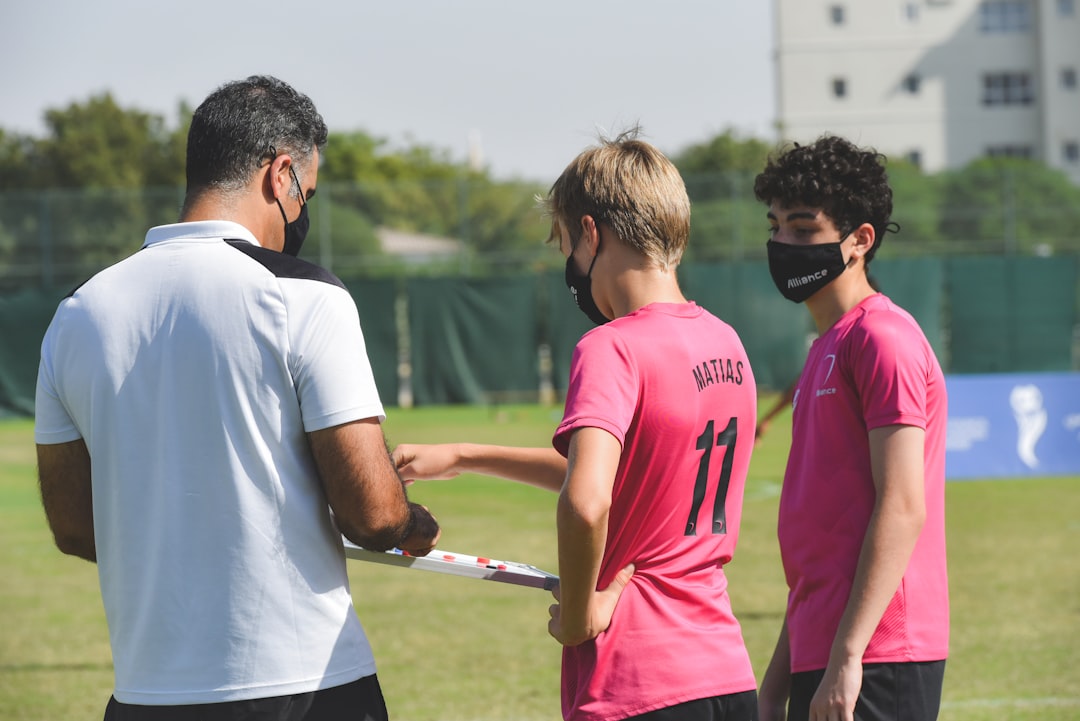
What to watch for: Different coaches every few weeks, students constantly complaining about changing instructors, or evasive answers about staff stability.
Why it matters: Children need consistency to build skills and confidence. High turnover usually indicates poor working conditions, low pay, or management issues—none of which benefit your child.
Quality indicators: Established schools proudly introduce their team, have coaches with 2+ years tenure, and provide backup instructors who know your child's progress.
Red Flag #7: Pushy Sales Tactics and Constant Upselling
What to watch for: Pressure to buy expensive equipment immediately, constant promotion of "premium" packages, or making you feel guilty about choosing basic options.
The upselling trap: Some schools make their money from equipment sales rather than quality instruction. One parent in Jurong reported being pressured into $800 worth of "essential" swimming gear.
Professional approach: Good schools recommend equipment gradually, explain why items are needed, and often have partnerships for discounted gear.
Red Flag #8: Poor Communication and Transparency
Warning signs: Difficulty reaching management, unclear pricing structures, frequent last-minute schedule changes, or reluctance to let parents observe classes.
Communication red flags: No proper website, using personal WhatsApp for business, or avoiding written contracts. Professional sports schools maintain proper business communications.
Best practices: Regular progress updates, clear contact procedures, transparent policies, and welcoming attitude toward parent involvement.
Red Flag #9: Facilities in Poor Condition
What to look for: Swimming pools with cloudy water, broken tiles, or strong chemical smells. Sports facilities with damaged equipment, poor lighting, or inadequate changing rooms.
Health implications: Poor water quality can cause skin infections and respiratory issues. Damaged sports equipment increases injury risk significantly.
Quality standards: Well-maintained facilities with regular equipment checks, clean changing areas, and proper ventilation. Don't compromise on your child's health for lower fees.
Red Flag #10: No Clear Progress Tracking or Assessment
Warning signs: Vague feedback like "doing well," no structured curriculum, or inability to explain what skills your child is learning.
Why structure matters: Without clear progression, you can't measure value for money. Some kids stay in "beginner" classes for months without advancing.
Professional standards: Regular assessments, written progress reports, and clear advancement criteria. Quality sport & swimming schools use established curriculum frameworks.
Your Sport & Swimming School Safety Checklist
Before committing to any provider, verify these essentials:
- ✅ Current instructor certifications and first aid training
- ✅ Appropriate class sizes and student-teacher ratios
- ✅ Valid insurance coverage and safety protocols
- ✅ Transparent pricing with flexible payment options
- ✅ Clean, well-maintained facilities and equipment
- ✅ Professional communication and clear policies
- ✅ Realistic timelines and structured curriculum
- ✅ Positive references from current parents
- ✅ Trial lesson options before committing
- ✅ Clear refund and cancellation terms
Remember, the cheapest option often becomes the most expensive when you factor in wasted time, potential injuries, and having to switch providers. Invest in quality from the start—your child's safety and development are worth it.
Looking for verified sport & swimming schools that meet these standards? Get free quotes from verified providers on KakiList and compare options from pre-screened professionals in your area.
Need help finding the right provider?
Get free, no-obligation quotes from verified sport & swimming schools providers in Singapore.
Get Free Quotes →