TCM First-Timer's Guide: What to Expect in Singapore 2026
20 May 2026 · 6 min read · TCM
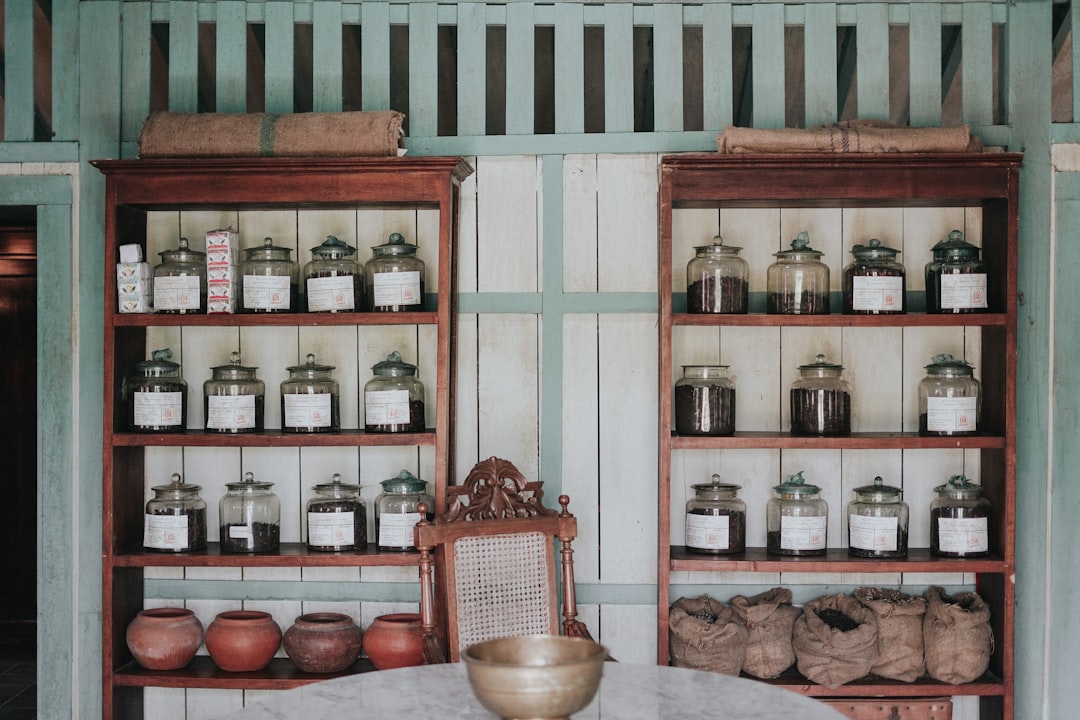
What Even Is TCM? (And Why Your Ah Ma Swears By It)
Traditional Chinese Medicine (TCM) has been around for over 3,000 years, but if you're a first-timer, it might seem as mysterious as your grandmother's secret bak kut teh recipe. Unlike Western medicine that focuses on specific symptoms, TCM Singapore practitioners look at your body as one interconnected system where everything affects everything else.
Think of it this way: Western doctors might give you panadol for a headache, while TCM practitioners want to know why you're getting headaches in the first place. Are you stressed? Not sleeping well? Eating too much zi char? They're playing detective with your entire lifestyle.
5 Main TCM Treatments You'll Encounter
1. Acupuncture (The Needle Thing Everyone's Scared Of)
ICYMI, those tiny needles are thinner than your hair and most people say it feels like a mosquito bite. The practitioner inserts them at specific points to balance your body's energy flow (called 'qi'). Sessions last 20-30 minutes and you'll probably feel super relaxed after.
2. Herbal Medicine (Not Your Regular Panadol)
Forget popping pills from Guardian. TCM uses combinations of dried herbs, roots, and sometimes weird stuff like deer antler (don't ask). You'll either get powdered formulas to mix with water or raw herbs to boil into a tea that tastes... acquired.
3. Cupping (Those Circular Bruises You See on Athletes)
Glass or silicone cups create suction on your skin to improve blood flow. Yes, you'll look like you've been attacked by a giant octopus for a few days, but it's surprisingly shiok for muscle tension.
4. Tui Na Massage (Chinese Massage That Actually Works)
This isn't your relaxing spa massage. Tui Na uses specific techniques to target acupressure points. It can get quite intense - think sports massage meets physiotherapy with 3,000 years of experience behind it.
5. Gua Sha (Scraping That Looks Scary But Isn't)
Using a smooth tool to scrape your skin might sound jialat, but it's actually quite therapeutic for muscle pain and circulation. Pro tip: wear something you don't mind getting oil on.
Step-By-Step: What Happens During Your First Visit
Before You Go
Book an appointment (walk-ins are rare these days) and avoid heavy meals 2 hours before. Wear loose, comfortable clothing - you might need to roll up sleeves or expose your back. Skip the strong perfume too.
The Consultation (20-30 minutes)
Your TCM practitioner will ask seemingly random questions: How's your sleep? Do you feel cold easily? What color is your tongue? They're not being kaypoh - every detail helps build a picture of your health.
The pulse reading involves the practitioner placing three fingers on your wrist for several minutes. They're not just checking your heart rate; apparently, they can detect about 28 different pulse qualities that reveal different health conditions.
Don't paiseh when they ask to see your tongue. Tongue color, coating, and texture are major diagnostic tools in TCM. Yes, it feels weird, but just go with it.
The Treatment (30-60 minutes)
Depending on your condition, you might get acupuncture, cupping, massage, or a combination. First-timers usually start with gentler treatments. Speak up if anything feels uncomfortable - good practitioners always check in with you.
Post-Treatment
You'll get aftercare instructions and possibly herbal prescriptions. Don't be surprised if they tell you to avoid cold drinks or recommend specific foods. TCM views diet as medicine too.
Money Talk: How Much Does TCM Cost in Singapore?
| Treatment Type | Price Range (SGD) |
|---|---|
| Initial Consultation | $80 - $150 |
| Follow-up Sessions | $60 - $120 |
| Acupuncture | $80 - $180 |
| Herbal Medicine (per week) | $50 - $200 |
| Cupping/Tui Na | $60 - $150 |
Heartland clinics in Jurong, Tampines, or Ang Mo Kio typically charge less than those in Orchard or Marina Bay. Some insurance plans cover TCM, so check with your provider.

TCM Lingo Decoded (So You Don't Look Blur)
Qi (pronounced 'chee'): Your body's energy flow. When it's blocked or imbalanced, you feel unwell.
Yin and Yang: Opposing forces that need to be balanced. Too much yang = feeling heaty, too much yin = feeling cold and tired.
Meridians: Energy pathways throughout your body where acupuncture points are located.
'Heaty' and 'Cooling' foods: Not about temperature, but how foods affect your body's balance. Durian = heaty, winter melon = cooling.
Tonifying: Strengthening or building up weak organs or systems.
Dispelling: Clearing blockages or excess heat/cold from your body.
Red Flags: When to Find Another Practitioner
- They promise miracle cures or tell you to stop all Western medications
- The clinic looks unhygienic or uses unsterilized needles
- They can't explain their treatment plan or refuse to answer questions
- They pressure you into expensive packages upfront
- No proper credentials displayed (look for registration with TCM Practitioners Board)
What Good TCM Treatment Feels Like
Don't expect instant miracles after one session. Good TCM Singapore practitioners set realistic expectations and create treatment plans spanning several weeks or months. You should feel listened to, not rushed, and the practitioner should explain what they're doing and why.
Most people notice subtle improvements after 3-4 sessions - better sleep, more energy, or reduced pain. The goal isn't just treating symptoms but improving your overall well-being.
Finding the Right TCM Clinic Near You
Start with recommendations from friends or family. Check online reviews, but remember that everyone's experience is different. Many established clinics in areas like Chinatown, Toa Payoh, and even newer estates like Punggol have experienced practitioners.
Some popular clinic chains include Eu Yan Sang, Ma Kuang, and Beijing Tang, but don't overlook smaller neighborhood clinics - sometimes the ah pek uncle running a heartland clinic has decades more experience than the flashy CBD outlets.
Pro tip: Find TCM providers in your area and read reviews from real patients to make an informed choice.
Ready to try TCM? Don't go in blind. Get free quotes from verified providers on KakiList and find a practitioner who matches your needs and budget. Your first TCM experience doesn't have to be intimidating - with the right preparation, you might just discover why this ancient practice is still thriving in modern Singapore.
Need help finding the right provider?
Get free, no-obligation quotes from verified tcm providers in Singapore.
Get Free Quotes →