10 Red Flags When Choosing Pet Trainers in Singapore
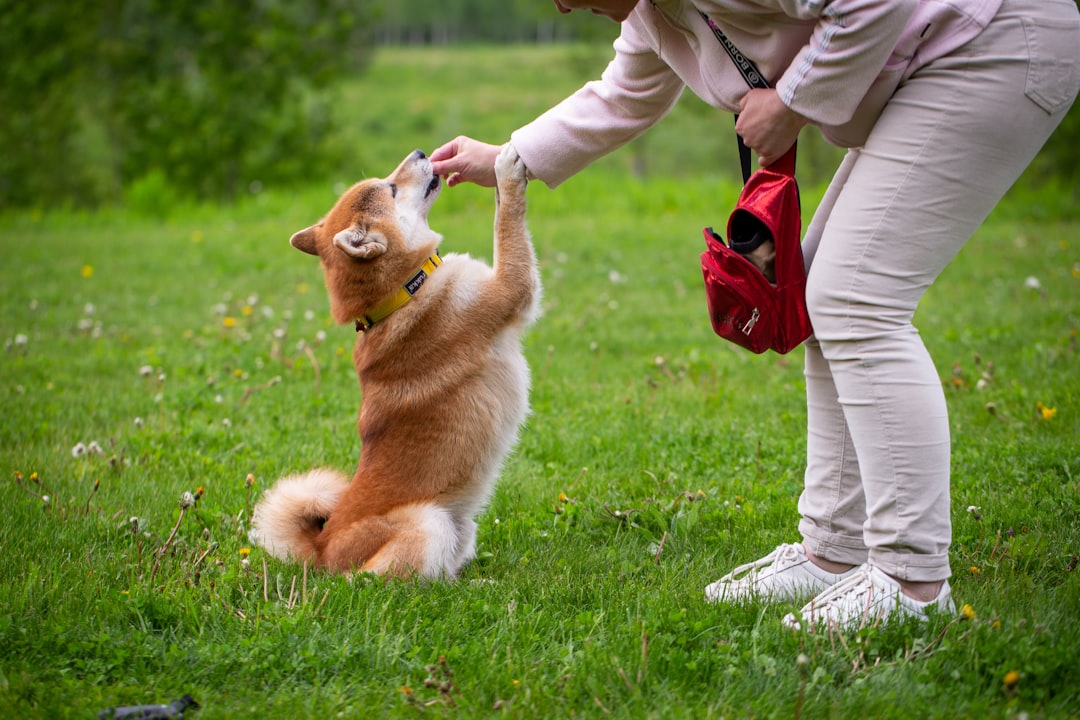
Your Fur Baby Deserves Better: Spotting Dodgy Pet Trainers
ICYMI, Singapore's pet training scene has been booming since the pandemic. With more families adopting furry companions in their BTOs and condos, demand for quality pet training services has skyrocketed. But here's the thing — not all trainers are created equal.
Some are absolute gems who'll transform your hyperactive Golden Retriever into the perfect HDB neighbour. Others? Well, they're basically taking your money faster than your dog can say "woof." Jialat right?
Before you kena conned by some dodgy pet trainer in Singapore, here are 10 massive red flags that scream "RUN FASTER THAN YOUR DOG CHASING A TENNIS BALL."
1. No Certifications or Qualifications to Show
The Red Flag: When you ask about their credentials, they go "Aiya, I just love animals lah!" or give you some vague story about training their neighbour's dog once.
Why It's Jialat: Professional pet training requires proper knowledge of animal behaviour, learning theory, and safety protocols. Without proper training, they might use outdated or harmful methods that could traumatise your pet.
What Legit Trainers Do: Qualified trainers proudly display certifications from recognised organisations like CCPDT, KPA, or local institutions. They'll gladly explain their training philosophy and methods during consultation.
2. Promises Overnight Miracles
The Red Flag: "Your dog will be perfectly trained in just one session!" or "100% guaranteed results in 24 hours!"
Why It's Sus: Real behavioural change takes time and consistency. Any trainer promising instant results is either lying or using questionable methods that might harm your pet's psychological well-being.
What Professionals Say: Honest trainers set realistic timelines. Basic obedience typically takes 6-8 weeks, while complex behavioural issues can take months. They'll explain the process and set proper expectations.
3. Refuses to Let You Observe Training Sessions
The Red Flag: "Parents not allowed during training — it's distracting for the dog." Then they whisk your furkid away to some mysterious location.
Why It's Sketchy: Legitimate trainers want you involved because you need to learn how to maintain the training at home. Secretive trainers might be using harsh methods they don't want you to witness.
The Shiok Alternative: Professional pet trainers in Singapore encourage owner participation. Many conduct sessions at void decks, parks, or their transparent training facilities where you can observe everything.
4. Only Accepts Cash Payments
The Red Flag: "Cash only, no receipt needed." Some might even demand full payment upfront before showing any results.
Why It's Dodgy: No paper trail means no accountability. If something goes wrong or they disappear, you have zero recourse. It also suggests they're not running a legitimate business.
Legit Provider Practice: Professional services accept multiple payment methods, provide proper invoices, and often offer package deals with clear refund policies.
5. Uses Punishment-Heavy Training Methods
The Red Flag: They advocate for shock collars, alpha rolls, or "showing the dog who's boss" through intimidation and fear.
Why It's Problematic: Modern animal behaviour science has debunked dominance-based training. These methods can create fearful, anxious pets and might even increase aggression.
What Good Trainers Use: Positive reinforcement methods that build trust and confidence. They focus on rewarding good behaviour rather than punishing bad behaviour.
6. No Insurance or Liability Coverage
The Red Flag: When asked about insurance, they act paiseh or change the subject quickly.
Why This Matters: Accidents happen during training. What if your dog gets injured or bites someone? Without proper insurance, you could be liable for massive costs.
Professional Standard: Established trainers carry public liability insurance and can provide proof when requested. It's basic business practice in Singapore's service industry.
7. Unreasonably Cheap Pricing
The Red Flag: Offering group classes for $20 or private sessions for $30 when market rates are $80-150 for groups and $120-200 for private sessions.
The Reality Check: Quality training requires time, skill, and ongoing education. Extremely low prices often mean corners are being cut somewhere — usually in training quality or aftercare support.
Fair Market Rates: Expect to pay $80-150 for group classes and $120-200 for private sessions in Singapore. Premium trainers specialising in behavioural issues might charge $200-300 per session.
8. Poor Online Reviews or No Digital Presence
The Red Flag: No Google reviews, Facebook page, or website. Or worse — multiple recent bad reviews mentioning similar issues.
Why It's Concerning: In 2026, even heartland businesses have some online presence. Zero digital footprint might indicate they're avoiding accountability or frequently changing business names.
What to Look For: Consistent positive reviews over time, professional social media presence showcasing success stories, and transparent communication about their methods and experience.
9. Won't Provide References or Case Studies
The Red Flag: "Cannot share other clients' information lah" when you ask for references or examples of their previous work.
The Issue: While client confidentiality is important, experienced trainers should have testimonials, before/after videos (with permission), or be able to connect you with past clients willing to share experiences.
Professional Approach: Good trainers maintain portfolios of success stories, have client testimonials on their websites, and can provide references upon request.
10. Pressure Tactics and No Trial Sessions
The Red Flag: "This special price only available today!" or refusing to offer a trial session or consultation to assess your pet's needs.
Why It's Sus: Reputable trainers want to ensure they're the right fit for your pet. High-pressure sales tactics suggest they're more interested in your money than your pet's wellbeing.
The Professional Way: Quality pet training services often offer initial consultations to assess your pet's needs and explain their approach before committing to a full programme.
Your Pet Trainer Trust Checklist ✅
Before hiring any pet trainer in Singapore, make sure they tick these boxes:
- ✅ Displays relevant certifications and qualifications
- ✅ Uses positive reinforcement-based methods
- ✅ Encourages owner participation in training
- ✅ Provides transparent pricing and accepts multiple payment methods
- ✅ Carries professional indemnity insurance
- ✅ Has consistent positive online reviews
- ✅ Offers initial consultation or assessment
- ✅ Provides clear contracts and refund policies
- ✅ Can supply references or testimonials
- ✅ Sets realistic expectations about training timelines
TL;DR: Trust Your Gut (And This List)
Your furry family member deserves the best training experience possible. Don't let desperation or kiasu mentality push you into choosing the wrong trainer. Take time to research, ask questions, and trust your instincts.
Remember, good pet training is an investment in your pet's happiness and your family's harmony. A few extra dollars spent on quality training now can save you years of behavioural headaches later.
Pro tip: Always meet the trainer in person, observe their interaction with other pets, and ensure you're comfortable with their approach before committing to any programme.
Ready to find a trustworthy pet trainer who'll give your furkid the shiok training experience they deserve? Get free quotes from verified providers on KakiList and compare qualified trainers in your neighbourhood today!
Need help finding the right provider?
Get free, no-obligation quotes from verified pet training providers in Singapore.
Get Free Quotes →