Red Flags: Brain & Nerve Specialists to Avoid in Singapore
24 May 2026 · 6 min read · Brain & Nerves

When Your Brain Health is at Stake, Don't Settle for Subpar Care
Looking for brain nerve specialists Singapore can feel overwhelming, especially when you're dealing with serious neurological symptoms. Whether it's persistent headaches, memory issues, or numbness, your brain and nervous system deserve top-notch care—not some cowboy operation that'll take your money and run.
Here's what you need to know: Singapore's medical scene is generally solid, but like any industry, there are bad apples. From Orchard Road's glitzy private clinics to heartland polyclinics, knowing the red flags can save you from dodgy treatments, inflated bills, and potentially dangerous care.
The bottom line? A legitimate neurologist will never pressure you, overcharge upfront, or promise miracle cures. Let's break down the warning signs that should have you running faster than someone catching the last MRT train.
Red Flag #1: No Proper Credentials or Licensing
What to watch for: The specialist can't show you their SMC (Singapore Medical Council) registration, avoids mentioning their qualifications, or their credentials seem sketchy when you Google them.
Why it's dangerous: Brain and nerve conditions require years of specialized training. An unqualified practitioner could misdiagnose serious conditions like stroke, epilepsy, or brain tumours.
What legit providers do: Proper neurologists will proudly display their SMC registration number, specialist accreditation, and hospital affiliations. They'll be transparent about their training background and subspecialties.
Red Flag #2: Promises Instant Cures or Miraculous Results
What to watch for: Claims like "100% cure rate" or "instant relief from migraines" or "revolutionary treatment not available elsewhere in Singapore."
Why it's a scam: Neurological conditions are complex. Even top specialists at SGH or NNI (National Neuroscience Institute) can't guarantee miraculous outcomes.
What legit providers do: They'll give you realistic timelines, explain that some conditions require ongoing management, and discuss both benefits and risks of treatments honestly.
Red Flag #3: Excessive Upfront Payments or Package Deals
What to watch for: Demanding full payment before treatment starts, pushing expensive "packages" that cost $5,000-$15,000 upfront, or refusing to accept insurance.
| Red Flag Pricing | Reasonable Pricing |
|---|---|
| $8,000 upfront "brain wellness package" | $200-$400 per consultation, pay-as-you-go |
| No itemized billing | Clear breakdown of all charges |
| "Cash only" policies | Accepts insurance, Medisave claims |
| Pressure to pay immediately | Time to consider and ask questions |
Why it's dodgy: Legitimate medical care doesn't require massive upfront commitments. This is often how medical scams trap patients.
What legit providers do: They'll work with your insurance, accept Medisave for eligible procedures, and provide transparent pricing. Most neurologist consultations range from $180-$350 at private clinics.
Red Flag #4: High-Pressure Sales Tactics
What to watch for: Rushing you to make decisions, claiming "limited time offers" on medical treatments, or using fear tactics like "if you don't start treatment today, your condition will worsen rapidly."
Why it's wrong: Medical decisions, especially for brain and nerve conditions, shouldn't be rushed. You deserve time to research, get second opinions, and consider your options.
What legit providers do: They encourage you to take time, suggest getting second opinions for major procedures, and never pressure you into immediate decisions.

Red Flag #5: Avoiding Established Medical Facilities
What to watch for: Operating from non-medical buildings, avoiding hospitals, or discouraging you from involving your regular GP or polyclinic doctor.
Why it's suspicious: Reputable neurologists typically have privileges at established hospitals like Mount Elizabeth, Gleneagles, or public hospitals.
What legit providers do: They'll happily coordinate with your GP, provide proper referral letters, and have clear hospital affiliations for procedures requiring admission.
Red Flag #6: Overordering Expensive Tests
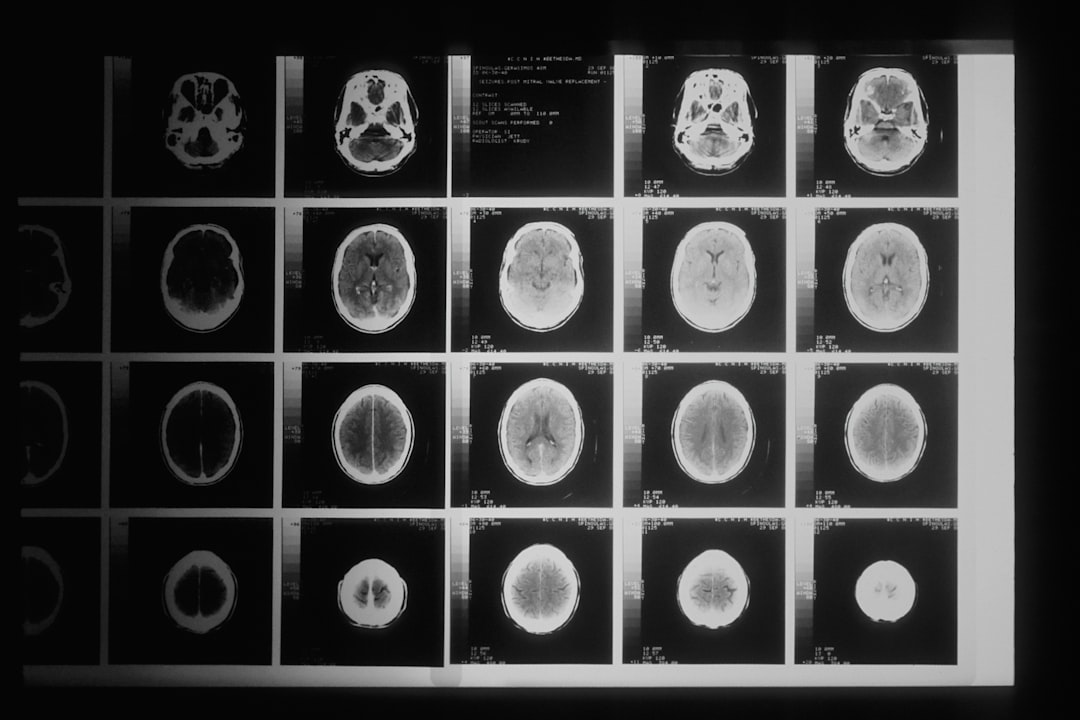
What to watch for: Immediately ordering multiple expensive scans (MRI, CT, PET scans) without proper clinical justification, especially if they own the imaging center.
| Test Type | Typical Cost Range | When Actually Needed |
|---|---|---|
| Basic neurological exam | $180-$350 | First consultation |
| MRI Brain | $1,200-$2,500 | Specific symptoms warrant imaging |
| CT Scan | $400-$800 | Emergency or acute symptoms |
| EEG | $300-$600 | Suspected seizure disorders |
Why it's problematic: Unnecessary testing inflates bills without improving care. Some conditions can be diagnosed clinically first.
What legit providers do: They follow evidence-based guidelines, explain why each test is necessary, and start with clinical assessment before ordering expensive imaging.
Red Flag #7: Dismissing Your Concerns or Symptoms
What to watch for: Brushing off your symptoms as "just stress" without proper examination, refusing to explain their reasoning, or making you feel stupid for asking questions.
Why it's dangerous: Neurological symptoms can be subtle but serious. Conditions like early stroke, multiple sclerosis, or brain tumours require careful evaluation.
What legit providers do: They listen carefully, take detailed histories, perform thorough examinations, and explain their clinical reasoning clearly.
Red Flag #8: No Clear Treatment Plan or Follow-Up
What to watch for: Vague treatment recommendations, no clear follow-up schedule, or unwillingness to provide written treatment plans.
Why it's problematic: Brain and nerve conditions often require monitoring and adjustment of treatments over time.
What legit providers do: They provide written treatment plans, schedule appropriate follow-ups, and clearly explain what to expect at each stage.
Red Flag #9: Bad Online Reviews or No Digital Presence
What to watch for: Multiple complaints about billing practices, poor outcomes, or unprofessional behavior. Conversely, no online presence at all can also be suspicious.
Why it matters: In Singapore's connected healthcare landscape, reputable specialists typically have some digital footprint and patient feedback.
What legit providers do: They maintain professional websites, have reasonable online reviews, and are listed in medical directories and hospital staff listings.
Your Brain Health Trust Checklist
Before choosing any brain nerve specialist in Singapore, tick these boxes:
- ✅ SMC registration number verified online
- ✅ Clear hospital affiliations mentioned
- ✅ Transparent pricing with no upfront package demands
- ✅ Accepts insurance/Medisave for eligible services
- ✅ Provides written treatment plans
- ✅ Encourages second opinions for major procedures
- ✅ Has reasonable online presence and reviews
- ✅ Takes time to explain conditions and treatments
- ✅ Orders tests based on clinical need, not profit
- ✅ Coordinates care with your existing doctors
Remember, your brain health isn't something to gamble with. Whether you're dealing with migraines in Tampines or memory issues in Toa Payoh, there are excellent brain nerve specialists Singapore has to offer—you just need to know how to spot the good ones.
The bottom line? Trust your instincts. If something feels off during your consultation, don't be afraid to seek another opinion. Your brain deserves nothing less than professional, ethical, and competent care.
Looking for trustworthy neurological care? Get free quotes from verified providers on KakiList and connect with properly credentialed brain and nerve specialists who put your health first, not their profits.
Need help finding the right provider?
Get free, no-obligation quotes from verified brain & nerves providers in Singapore.
Get Free Quotes →