Brain & Nerves Care in Singapore: Complete Expat Guide 2026
15 Jun 2026 · 7 min read · Brain & Nerves
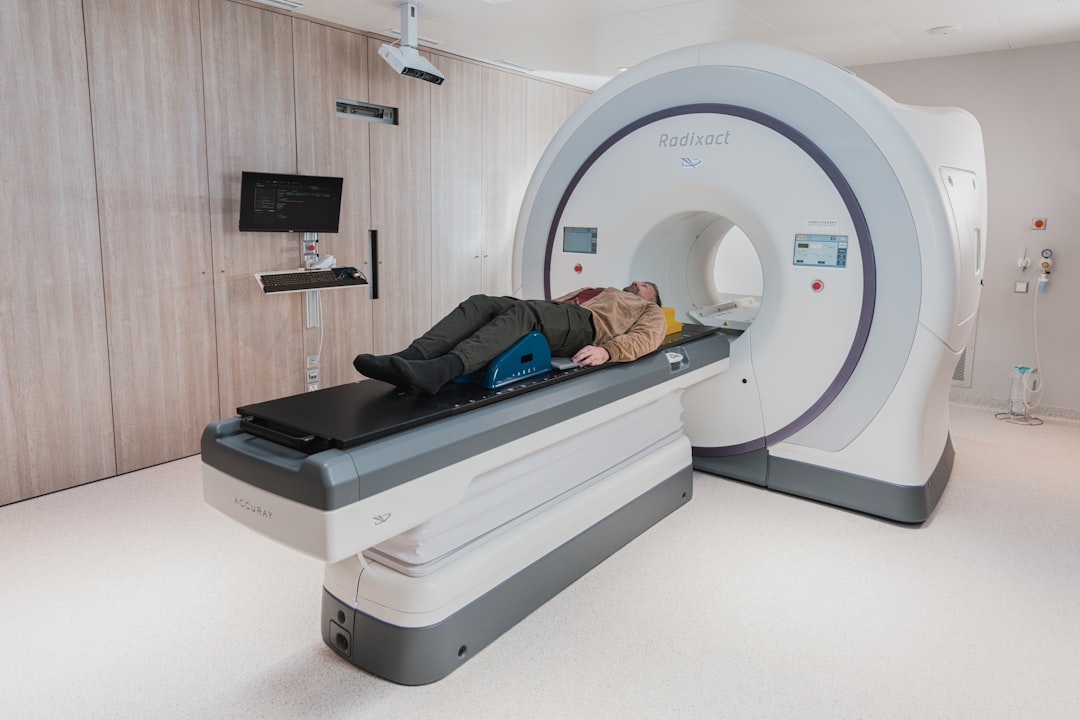
Understanding Brain & Nerves Care in Singapore
Just moved to Singapore and worried about accessing quality neurological care? Here's what you need to know: Singapore's healthcare system is among the world's best, but navigating brain and nerves care Singapore as an expat requires understanding local systems, costs, and coverage options.
Unlike countries with fully socialised healthcare, Singapore operates on a mixed public-private model. The bottom line? You'll need proper insurance coverage and knowledge of the system to avoid shock bills that can easily hit SGD 10,000+ for complex neurological procedures.
How Singapore's Healthcare System Works for Expats
Singapore's healthcare operates on what locals call the "3M" system - Medisave, MediShield, and Medifund. As an expat, you won't have access to Medisave (a mandatory health savings account for citizens and PRs) or MediShield (basic insurance scheme), so private insurance becomes crucial.
Public vs Private Healthcare
Public healthcare in Singapore is heavily subsidised for citizens and PRs. Expats pay significantly more, but still receive world-class care. Private healthcare offers shorter waiting times and more luxurious facilities, but at premium prices.
| Service | Public (Expat Rate) | Private |
|---|---|---|
| Neurologist Consultation | SGD 180-250 | SGD 300-500 |
| MRI Brain Scan | SGD 800-1,200 | SGD 1,500-2,500 |
| EEG Test | SGD 300-500 | SGD 600-900 |
| Brain Surgery (Basic) | SGD 25,000-40,000 | SGD 50,000-80,000 |
Essential Paperwork and Visa Implications
Your visa status affects healthcare access significantly. Employment Pass (EP) holders and their dependents can access both public and private care, while S Pass holders face some restrictions at public hospitals.
What You'll Need
- NRIC/FIN number: Your unique identification number in Singapore
- Work permit/dependent pass: Proves your legal status
- Insurance documentation: Critical for private care
- Medical records from home country: Translated if not in English
- Vaccination records: Some specialists may require these
Pro tip: Register with a GP first. Many specialists require referrals, and having a local medical history helps establish continuity of care.
Insurance: Your Financial Lifeline
Here's the reality check - neurological conditions can be expensive to treat. A simple migraine workup including MRI can cost SGD 2,000+, while complex conditions like brain tumours can rack up six-figure bills.
Insurance Options for Expats
| Insurance Type | Coverage | Annual Premium | Best For |
|---|---|---|---|
| Basic Company Plan | SGD 50,000-100,000 | Often employer-paid | Young, healthy expats |
| Comprehensive Private | SGD 500,000-1,000,000 | SGD 3,000-8,000 | Families, senior executives |
| International Coverage | Global including home country | SGD 5,000-15,000 | Frequent travellers |
Many expats make the mistake of assuming their company insurance is sufficient. Check the fine print - does it cover pre-existing conditions? Psychiatric care related to neurological issues? Emergency evacuation?

Where to Seek Brain & Nerves Care
Singapore has excellent neurological care concentrated in several key areas. Understanding the landscape helps you make informed decisions about where to seek treatment.
Major Public Hospitals
- Singapore General Hospital (Outram): The flagship public hospital with comprehensive neurology and neurosurgery departments
- National Neuroscience Institute: Specialised facility at SGH campus, gold standard for complex cases
- Tan Tock Seng Hospital (Novena): Strong neurology department, slightly less crowded
- National University Hospital (Kent Ridge): Academic medical centre with cutting-edge research
Private Options
- Mount Elizabeth Hospital (Orchard): Popular with expats, English-speaking staff
- Gleneagles Hospital (Tanglin): Established international patient services
- Raffles Hospital (Holland Village): Premium care, highest costs
Neighbourhood Considerations for Expats
Where you live affects healthcare accessibility. Most expats gravitate toward certain areas, but consider proximity to medical care when choosing housing.
Expat-Friendly Areas with Good Medical Access
- Orchard/Newton: Walking distance to Mount Elizabeth, multiple specialist clinics
- Holland Village/Tanglin: Near Gleneagles, popular with families
- Marina Bay/Raffles Place: Central location, good MRT connectivity to hospitals
- East Coast: Growing expat community, but further from major medical centres
- Sentosa Cove: Luxury living but limited immediate medical access
Don't overlook heartland areas if you're budget-conscious. Places like Toa Payoh or Bishan offer good HDB rental options with decent public transport to major hospitals.
Common Neurological Issues and Costs
Understanding typical conditions and their associated costs helps with financial planning.
| Condition | Initial Assessment Cost | Ongoing Treatment (Monthly) |
|---|---|---|
| Migraines/Headaches | SGD 400-800 | SGD 100-300 |
| Epilepsy Management | SGD 800-1,500 | SGD 200-500 |
| Stroke Recovery | SGD 2,000-5,000 | SGD 500-1,200 |
| Multiple Sclerosis | SGD 1,500-3,000 | SGD 800-2,000 |
Common Expat Pitfalls and How to Avoid Them
Mistake #1: Waiting for emergencies
Many expats delay establishing healthcare relationships until they need urgent care. Build relationships with a GP and get familiar with the system before you need it.
Mistake #2: Assuming universal coverage
Singapore isn't like the UK's NHS or Canada's system. You'll pay significantly as an expat without proper insurance.
Mistake #3: Ignoring traditional medicine integration
Singapore embraces Traditional Chinese Medicine (TCM) alongside Western medicine. Some neurological conditions benefit from integrated approaches - don't dismiss them outright.
Mistake #4: Not understanding referral systems
Many specialists require GP referrals. Going directly to specialists without referrals can result in higher costs and longer waits.

Getting Started: Your Action Plan
Within your first month in Singapore:
- Register with a GP near your home or office
- Review your insurance coverage thoroughly
- Get a basic health screening to establish baseline records
- Register for SingHealth or NHG patient portals for easier appointment booking
- Download the HealthHub app for government health services
If you have ongoing neurological conditions, bring comprehensive medical records and current prescriptions. Singapore doctors are excellent but need your medical history to provide optimal care.
The healthcare system here is world-class, but being prepared and informed makes all the difference in accessing quality brain and nerves care Singapore without breaking the bank.
Ready to connect with trusted neurological specialists? Get free quotes from verified providers on KakiList and find the right healthcare partner for your needs.
Need help finding the right provider?
Get free, no-obligation quotes from verified brain & nerves providers in Singapore.
Get Free Quotes →