BTO Application Guide for First-Timers in Singapore (2026)
If you have just landed in Singapore, you will hear the word BTO very quickly, usually from a colleague who has been waiting four years for their flat. This guide explains what a BTO application is, who can actually apply, how the process works, and what it costs. We assume you know nothing yet, so we start from the basics.
What is a BTO, and why does everyone talk about it?
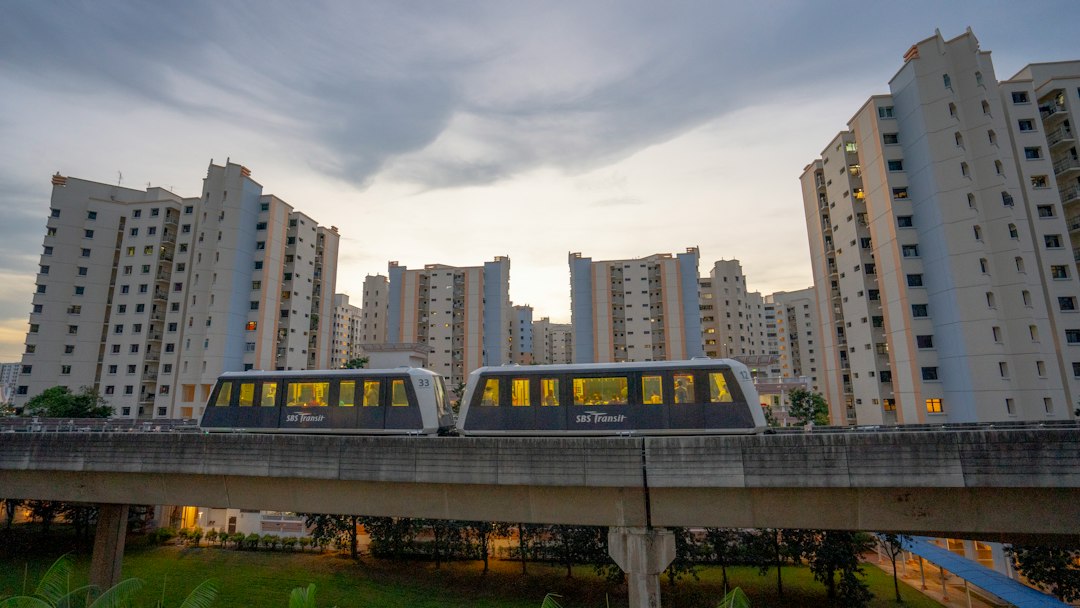
BTO stands for Build-To-Order. It is a scheme run by the HDB (Housing & Development Board), the government agency that built the public housing where roughly 80% of Singapore residents live. Instead of buying a finished flat, you apply for one that has not been built yet. HDB launches new projects a few times a year, and you wait about three to five years for completion.
Why do people bother? BTO flats are priced well below comparable private condos, and eligible buyers can get housing grants. A new 4-room BTO in a non-mature estate such as Tengah or Punggol has typically been priced from about S$350,000 to S$500,000 before grants. Flats in central or mature areas such as Bishan or Queenstown cost noticeably more. Compared with London, Sydney or Mumbai, that is serious value for a brand-new home.
The first question: can you apply?
This is where many expats get a surprise. Foreigners on an Employment Pass, S Pass or Dependant's Pass cannot buy a BTO flat. Eligibility rules, as of late 2026, broadly work like this:
- Singapore citizens: can apply as a family (with a spouse, children or parents) or as a single aged 35 and above.
- Permanent Residents (PRs): cannot apply alone. You need at least one Singapore citizen in the application, for example a citizen spouse, under the Family Scheme.
- Non-residents and pass holders: not eligible for BTO. Your housing options are renting, private condos, or (if you later become a PR) resale HDB flats under separate rules.
Other key conditions include a household income ceiling (currently S$14,000 a month for families and S$7,000 for singles), and not owning another property. Rules do get updated, so always check HDB's website for the latest figures before you plan around them.
How a BTO application works, step by step
- Get your HDB Flat Eligibility (HFE) letter. You apply online with Singpass. It is free and tells you whether you qualify, which loan you can take, and your grant amounts. You need this before applying.
- Decide on your budget. Work out how much CPF and cash you will use. CPF (Central Provident Fund) is the compulsory savings scheme for citizens and PRs, and you can use your Ordinary Account savings for the downpayment and monthly instalments.
- Choose a project and flat type. HDB flats are categorised as Standard, Plus or Prime. Plus and Prime flats are in more sought-after locations and come with stricter resale rules and a longer wait before you can sell.
- Submit your online application during the sales exercise. You pay a non-refundable application fee of about S$10 and pick one project. Choose carefully, because you can only apply for one project per exercise.
- Wait for the ballot. Popular projects can be several times oversubscribed. A computer draws your queue number at random, with priority schemes for some groups, such as families with young children.
- Book your unit. If your queue number is called, you get an appointment to choose a specific flat from what remains. Better queue numbers get first pick of floor and facing.
- Sign the agreement and pay the option fee. The option fee typically ranges from about S$500 to S$2,000 depending on flat size, and it is later deducted from your downpayment.
- Wait for construction, then collect your keys. It is a long wait, usually three to five years, so plan where you will live in the meantime.
What to expect at the flat selection appointment
Many first-timers assume it is a casual viewing. It is not. You attend at an HDB Branch (or via the online process), review a live availability chart, and have a limited window to choose. Bring your documents, agree on two or three backup units beforehand, and expect to decide within minutes. Many couples say the sunlight direction, the floor level and the distance from the MRT station made their final call. Check the block's view too: does it face a busy expressway or a quiet park?
Typical costs in SGD
| Item | Typical range |
|---|---|
| HFE letter | Free |
| Application fee | About S$10 (non-refundable) |
| Option fee | About S$500 to S$2,000 |
| Downpayment (HDB loan) | About 20% of the price, payable by CPF and/or cash |
| Legal fees, stamp duty and fire insurance | A few thousand dollars in total at key collection |
| Renovation (4-room new flat) | S$40,000 to S$80,000 on average |
On loans, an HDB loan has a concessionary interest rate pegged to the CPF Ordinary Account rate, while bank loans fluctuate with the market. Singapore also has the TDSR (Total Debt Servicing Ratio) rule, which caps all your monthly debt repayments at 55% of gross monthly income, so loans for cars or credit cards affect how much you can borrow.
Jargon decoder
- Ballot: the random draw that decides your queue number.
- Oversubscription rate: how many applicants there are per available flat.
- MOP (Minimum Occupation Period): the years you must live in the flat before selling, usually five, and longer for Plus and Prime flats.
- Mature estate: an established town such as Ang Mo Kio or Toa Payoh, where demand is high.
- Non-mature estate: newer towns like Sengkang or Tengah, which are generally cheaper.
- Grants (EHG, Proximity Housing Grant): government subsidies that reduce your purchase cost. Eligibility depends on income, household makeup and location.
- Singpass: your national digital ID, needed for almost every government application.
Where a professional can help
You can do a BTO application entirely on your own, and many people do. But a few situations make expert help worthwhile, especially for mixed-nationality couples or PRs:
- Mortgage advisers compare HDB and bank loans, check your TDSR and model different CPF and cash combinations. Most are paid commission by the banks, so a consultation is often free.
- Property consultants explain eligibility, priority schemes and project differences. Some offer paid consultations, usually under a few hundred dollars. Be wary of anyone who guarantees a ballot win, because nobody can.
- Renovation planners help you budget and schedule works before key collection, so you do not pay rent and mortgage at the same time for too long.
You can find BTO application providers on KakiList and compare reviews before you book anyone.
What a good first experience looks like
A good experience means you understand your eligibility and budget before the sales exercise opens. Your HFE letter is in hand, your CPF figures are checked, and you have a shortlist of two or three projects rather than one dream address. If you use an adviser, they explain trade-offs clearly, show you their fees up front and never rush you. You should leave feeling calmer, not more confused.
Common first-timer mistakes
- Applying for a very popular mature-estate project with little chance of success, with no backup plan.
- Ignoring the 3-5 year timeline and not planning for rent in between.
- Forgetting that existing car loans or credit card debt affect borrowing power.
- Not checking MOP rules before assuming you can sell quickly for a profit.
Ready to start?
If you are a PR or married to a Singapore citizen, a BTO can be the smartest long-term housing move you make here. Begin with the HFE letter, sort out your budget, and speak to a professional if anything is unclear. Get free quotes from verified providers on KakiList and take the first step with confidence.
Need help finding the right provider?
Get free, no-obligation quotes from verified bto applications providers in Singapore.
Get Free Quotes →