Carpentry In Singapore: An Expat's No-Nonsense Guide (2026)
So you've just landed in Singapore, scored a nice rental in Tiong Bahru or a shiny new condo in Queenstown, and now you're staring at bare walls thinking "I need a wardrobe, a shoe cabinet, maybe a TV console." Welcome to the wonderful, slightly confusing world of carpentry in Singapore — where things work pretty differently from back home.
Whether you're kitting out a rental unit or renovating your first BTO (that's Build-To-Order flat, Singapore's public housing scheme), this guide breaks down everything an expat needs to know, minus the jargon overload.
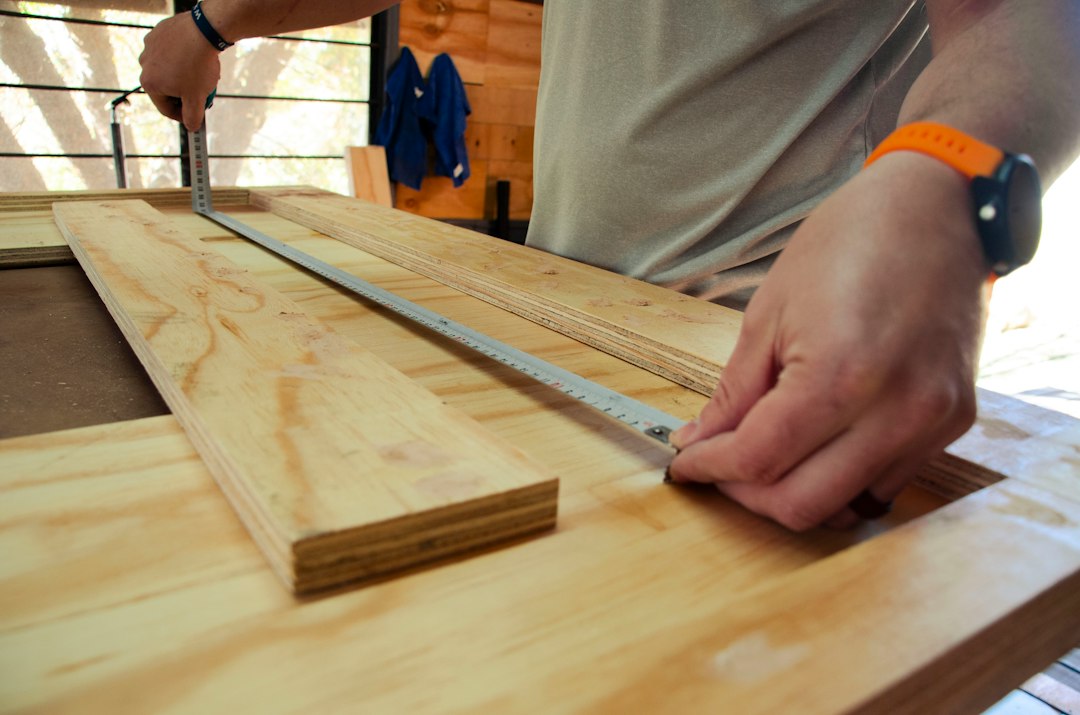
1. Carpentry Here Isn't Quite What You're Used To
Back in the US, UK, or Australia, you might just call IKEA or a local handyman and call it a day. In Singapore, carpentry is a massive, semi-formalised industry tied closely to renovation (reno, as locals say) culture — because almost everyone renovates when they move into a new HDB or condo unit.
Most carpentry work here falls into two buckets:
- Built-in / carpentry-on-site: Custom wardrobes, shoe cabinets, and TV consoles built directly in your unit, often by your Interior Design (ID) firm's in-house carpenter.
- Factory-made modular carpentry: Cheaper, faster, made off-site and installed — popular with expats on shorter leases who don't want to commit to a 3-month reno timeline.
If you're renting (as most expats do), always check your tenancy agreement first — landlords in Singapore are usually particular about drilling into walls or altering fixed structures. Always get written permission before any carpentry work in a rented unit.
2. Decoding The Acronyms: HDB, BTO, MOM, and Levy
If you're buying or renting an HDB flat (that's Housing & Development Board, Singapore's public housing — about 80% of Singaporeans live in one), take note: HDB has strict renovation guidelines. You can't just hack walls or relocate plumbing without approval. Most reputable carpentry and renovation firms are already familiar with HDB's permit requirements, but double-check your contractor has submitted the necessary paperwork before work starts — unpermitted renovations can get you fined.
Some other acronyms you'll bump into:
- MOM (Ministry of Manpower): Regulates work permits for foreign workers, including the carpenters and renovation crew who might be on Work Permits themselves.
- Levy: A monthly fee companies pay MOM for every foreign worker they employ. This cost often gets passed down, which is partly why skilled carpentry labour in Singapore isn't cheap.
- CPF (Central Provident Fund): Singapore's mandatory savings scheme — not directly relevant to carpentry unless you're using CPF funds (if you're a PR or citizen) for a major home renovation loan.
- TDSR (Total Debt Servicing Ratio): Relevant if you're financing a big renovation loan alongside your mortgage — banks use this to assess if you can service multiple debts. Most expats paying cash for carpentry won't need to worry about this.
3. How Much Does Carpentry Actually Cost?
Here's the real talk nobody tells newcomers: carpentry in Singapore is priced per linear foot or per panel, not a flat lump sum like you might expect elsewhere. Here's a rough 2026 ballpark:
| Item | Typical Cost (SGD) |
|---|---|
| Built-in wardrobe (per linear foot) | $180 – $350 |
| Shoe cabinet | $800 – $2,000 |
| TV console | $600 – $1,800 |
| Study table / platform bed | $1,200 – $3,500 |
| Full bedroom set (wardrobe + bed frame + study table) | $4,000 – $9,000 |
Prices swing based on materials — laminate is the budget-friendly default, while veneer or solid wood can push costs up 30-50%. Pro tip: ask for a detailed quote breakdown (materials, labour, delivery, installation) so there's no shiok surprise invoice at the end.

4. Common Pitfalls Newcomers Face
Jialat moments to avoid:
- Not budgeting for GST: Quotes sometimes exclude the 9% GST — always clarify if the price is nett.
- Assuming fast turnaround: Custom carpentry typically takes 4-8 weeks, not days. If you're on a tight lease timeline, factor this in before signing your rental.
- Skipping site measurements: Always insist on an in-person measurement visit. Remote quotes based on photos alone often lead to ill-fitting furniture — a classic rookie mistake.
- Not checking for licensed/insured contractors: Unlike some home countries, Singapore doesn't mandate carpenters to be individually licensed, so vetting reviews and past work matters more. Always ask for a portfolio and read Google reviews before committing.
- Forgetting condo management rules: If you're in a condo (like those in Novena, River Valley, or Holland Village — popular with expat families), management often restricts renovation hours to weekdays 9am-5pm and requires a security deposit before work starts.
5. Neighbourhoods Where Expats Commonly Renovate
Expats tend to cluster in areas like Holland Village, Tanglin, Bukit Timah, East Coast, and increasingly Tiong Bahru and Queenstown for their mix of expat-friendly amenities, international schools nearby, and good MRT access. Carpentry firms serving these areas are usually more accustomed to international client expectations — think minimalist Scandinavian styles or built-ins that match Western furniture proportions, which can differ from typical HDB layouts.
6. Finding A Reliable Carpenter Without The Headache
Unlike home countries where you might Google 
Need help finding the right provider?
Get free, no-obligation quotes from verified carpentry providers in Singapore.
Get Free Quotes →