Coding & STEM Class Contracts: 12 Clauses to Check First
23 Sep 2026 · 7 min read · Coding & STEM

Why the Fine Print Matters More Than the Free Trial Lesson
Every coding and STEM centre from Punggol to Bukit Timah runs a slick trial class — kids build a mini game, parents get impressed, and suddenly you're handed a 6-page enrolment form to sign on the spot. Here's what you need to know: that form is a legal contract, and most of the clauses that actually cost you money have nothing to do with the curriculum. They're about refunds, make-up lessons, and who pays when little Xavier spills bubble tea on the school's Raspberry Pi.
Before you commit to any coding class contract in Singapore, run through these 12 clauses. Package fees for a typical 3-month coding or robotics term range from $480 to $1,500, so this isn't small change — it's closer to a family staycation or a month of infant care fees.
The 12 Clauses You Really Need to Scrutinise
1. Upfront Payment Structure
What it says: Most centres require full payment for a 10- to 20-lesson block before term starts. What it means for you: You're locking in cash even if your child hates week 3. What's standard: Termly payment (10–12 weeks) is normal in Singapore; anything demanding a full year upfront is a red flag. Push back on: Ask if they'll split into two instalments — many smaller enrichment centres in heartland malls like Hougang Mall or Compass One will agree if you ask nicely.
2. Refund Policy for Unused Sessions
What it says: Often buried as "no refunds for withdrawal after week 2" or "credit only, non-transferable." What it means: If you relocate or your child switches to a BTO-linked school with longer hours, you may lose hundreds of dollars. Standard practice: Pro-rated refunds minus an admin fee (typically $50–$100) for withdrawal before the midpoint of term. Push back: Get the refund formula in writing, not just "case by case."
3. Make-Up Class Policy
What it says: "Make-up lessons subject to availability." What it means: On paper you get a make-up class; in practice, slots fill up and you forfeit the session. Standard: 2–3 make-up lessons per term, valid within 30–60 days. Push back on: Any clause capping make-ups at 1 or requiring 48-hour notice for a sick child — that's unreasonable given MC timelines from polyclinics.
4. Cancellation Notice Period (Both Ways)
What it says: You typically need 30 days' written notice to withdraw. What it means: Miss the window and you're billed for the next term automatically. Standard: 30 days is fair; some centres near Orchard and the CBD push it to 60 days — negotiate this down before signing.
5. Auto-Renewal and Price Increase Clause
What it says: "Enrolment renews automatically unless cancelled" plus "fees subject to annual revision." What it means: You could be re-billed without active consent, at a higher rate. Push back on: Require at least 14 days' advance notice of any price hike, and opt-in (not opt-out) renewal.
6. Class Size and Instructor Ratio
What it says: Marketing brochures promise "small class of 8," but the contract may say "up to 12 students." What it means: Less 1-on-1 guidance during Python or Scratch debugging sessions. Standard: 1:8 to 1:10 for coding, 1:6 for robotics (more equipment handling). Get the ratio written into the contract, not just the FAQ page.
7. Instructor Substitution Clause
What it says: "Centre reserves the right to assign a substitute instructor." What it means: The award-winning coach in the ad might not be who actually teaches your kid weekly. Push back on: Ask for notification if the primary instructor changes for more than 2 consecutive lessons.
8. Liability for Equipment and Injury
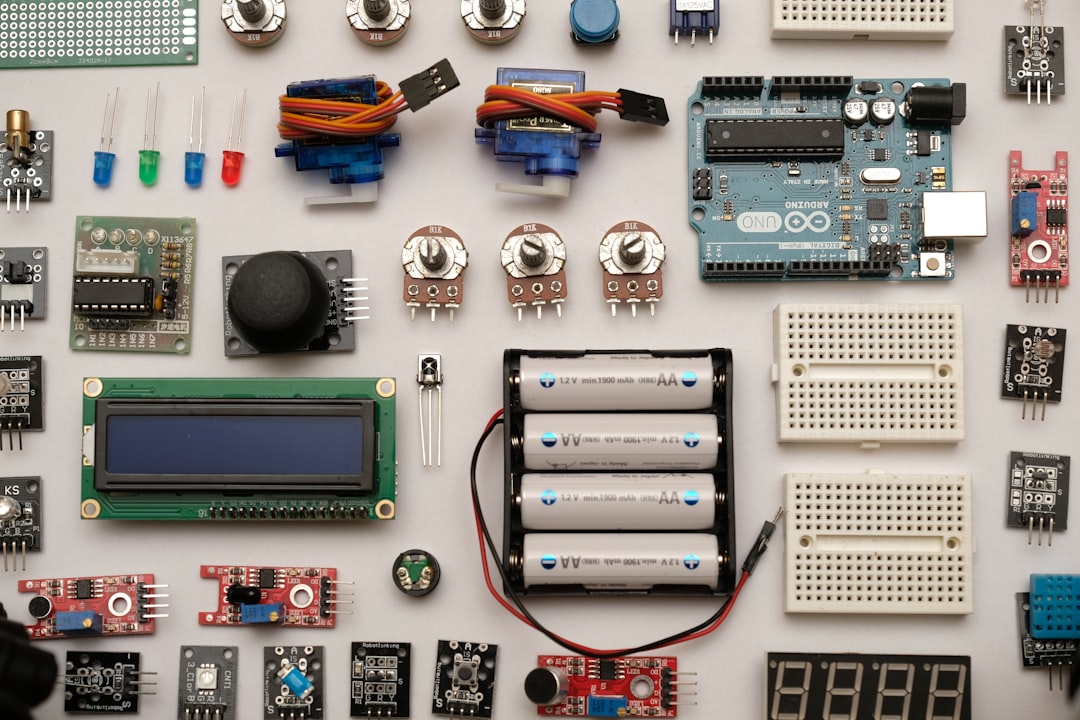
What it says: Parents are liable for damage to robotics kits, laptops, or 3D printers "due to negligence." What it means: Vague wording lets centres bill you for normal wear and tear. Standard: Reasonable clauses cap liability at replacement cost of specific damaged parts (e.g. a $30 Arduino board), not the entire $400 kit. Check if the centre carries public liability insurance — most legitimate ones do.
9. Intellectual Property Over Student Projects
What it says: Some centres claim rights to showcase or even monetise apps/games built by students. What it means: Your child's award-worthy app for a school project could technically belong to the centre. Push back on: Ensure the contract states project code and IP remain the student's property, with the centre only allowed to use it for portfolio/marketing with consent.
10. Scope Creep — "Optional" Add-Ons
What it says: Base fee excludes competition entry, coding platform subscriptions, or hardware upgrades. What it means: A $680 termly package can balloon to $900+ once you're asked to buy a $120 micro:bit set or pay $50 for a hackathon. Push back: Request an itemised list of all mandatory vs optional costs before signing, not after week 1.
11. Data Privacy and Media Consent
What it says: A blanket clause allowing photos/videos of your child for social media. What it means: Under PDPA, you can and should opt out. Push back on: Tick the "no consent" box separately if you're not comfortable with your child appearing in the centre's Instagram reel.
12. Dispute Resolution and Termination for Cause
What it says: Some contracts require disputes to go through the centre's internal process only, with no mention of small claims options. What it means: If things go south, you want recourse. Standard: Reputable centres allow escalation via Singapore's Small Claims Tribunal for amounts under $20,000 — check this isn't excluded.
Quick Reference: Standard Terms vs Red Flags
| Clause | Standard in Singapore | Red Flag |
|---|---|---|
| Payment | Termly, 10–12 weeks | Full year upfront, non-negotiable |
| Refund | Pro-rated minus $50–$100 admin fee | "No refunds, no exceptions" |
| Cancellation notice | 14–30 days | 60+ days or auto-renew with no opt-out |
| Class ratio | 1:8–1:10 written into contract | Ratio only mentioned in brochure |
| Liability | Capped at part replacement cost | Full kit replacement for minor damage |
Budget Tip: Compare Before You Commit
Don't sign the first coding class contract in Singapore put in front of you at an open house. Get at least two quotes — package pricing for similar 10-lesson Scratch or Python courses can swing from $480 to $900 depending on the operator and location (expect a premium for centres in Bukit Timah or River Valley versus Jurong or Yishun). Find Coding & STEM providers and compare their actual contracts side by side, not just their fee tables.
The Bottom Line
A well-run STEM enrichment centre won't flinch when you ask to review the contract for 24 hours before signing. If they pressure you to sign on the spot to "lock in the trial discount," that itself is a signal to slow down. Read the refund, cancellation, and liability clauses as carefully as you'd read a phone contract renewal — because unlike a phone plan, this one affects your kid's Saturday mornings for the next year.
Get free quotes from verified providers on KakiList and compare contract terms before you commit to any coding or STEM programme.
Need help finding the right provider?
Get free, no-obligation quotes from verified coding & stem providers in Singapore.
Get Free Quotes →