7 Confinement Food Myths in Singapore, Debunked
You are expecting, or you have just had your baby in Singapore, and suddenly everyone from your colleague to your landlord is asking, "Have you booked your confinement food?" If you come from the UK, US, Australia or India, it can feel like a secret club with unwritten rules. Let's clear up the confusion. Here are the most common myths about confinement food Singapore families swear by, and what is actually true.
Quick background: 'confinement' is the traditional postnatal recovery period, usually 28 days (some families do 30 or 42). Meals are designed to be warm, nourishing and easy to digest. Many mums rely on a caterer or a live-in confinement nanny, while some cook at home.
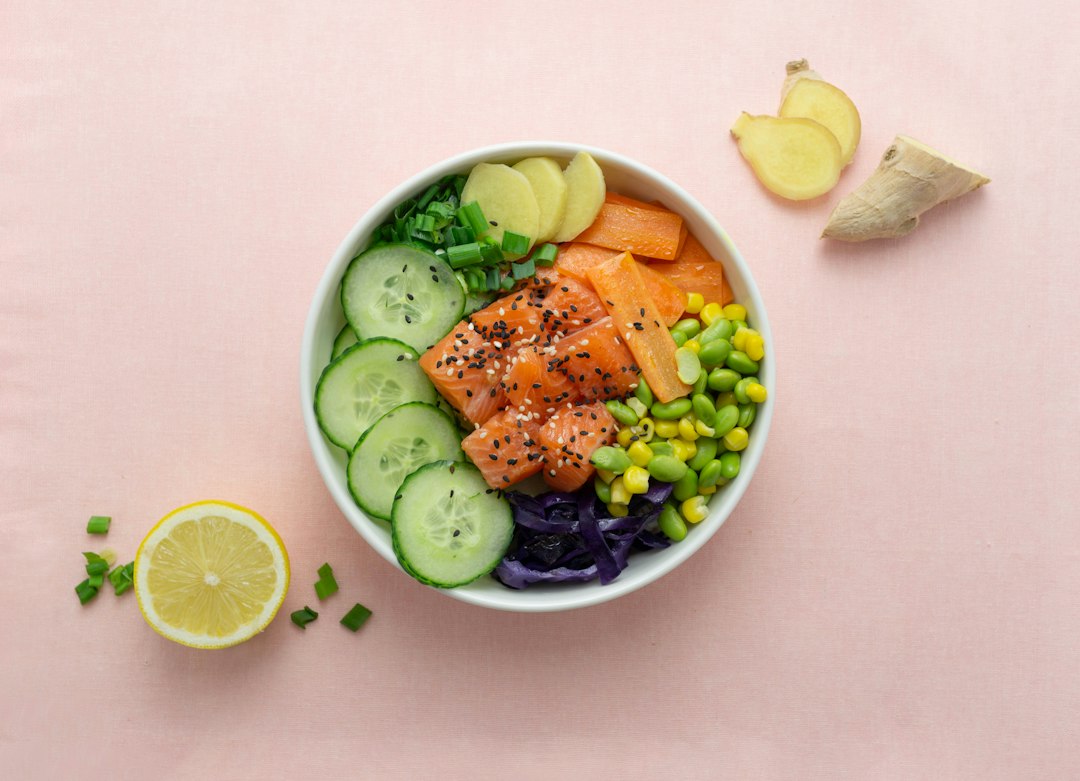
Myth 1: Confinement food is only for Chinese families
Why people believe it: The best-known version uses ginger, sesame oil, rice wine and black vinegar, which are very Chinese in origin.
The reality: Singapore's postnatal traditions are multicultural. Malay families practise pantang, with dishes like ikan masak asam and herbal tonics (jamu). Indian families follow regional postnatal diets with pepper, garlic, cumin and ghee. Peranakan households in Katong and Joo Chiat have their own recipes too. Many caterers now offer Chinese, Malay, Indian and even Western-friendly menus. Find confinement food providers and filter by cuisine style.
Myth 2: It is unbearably oily and full of alcohol
Why people believe it: Stories of pork liver in sesame oil and wine-soaked chicken are famous, and a few are true.
The reality: Most caterers will adjust. Alcohol-free or reduced-wine menus are common requests, especially for breastfeeding mothers, and you can ask for lighter oil, less ginger or milder seasoning. Do check with your obstetrician (for example at KK Women's and Children's Hospital or Mount Elizabeth Novena) about what suits you, especially if you had a C-section, gestational diabetes or high blood pressure.
Myth 3: It is too expensive
Why people believe it: A bundle of S$2,000 or more sounds steep compared with cooking for yourself.
The reality: It depends on what you compare it to. Here are typical 2026 ranges for a 28-day period:
| Option | Typical cost (28 days) | What you get |
|---|---|---|
| Catered meals (lunch and dinner) | S$1,200 – S$2,800 | Delivered meals, soups and often tonics |
| Premium catering with breakfast, tea and tonics | S$2,800 – S$4,000 | Customised menus, extra snacks |
| Live-in confinement nanny (excl. food) | S$3,500 – S$6,500 | Baby care, cooking, light household help |
| Cooking yourself | S$600 – S$1,200 groceries | Your time and energy, which are in short supply |
Compared with postnatal care in London or New York, where a night nurse alone can cost more per week, many expats find it reasonable. Always ask whether quotes include 9% GST and delivery fees.
Myth 4: You must have a confinement nanny to eat properly
Why people believe it: Traditionally, the nanny cooked and looked after the baby.
The reality: Food catering is a stand-alone service. You can take delivery only, with no stranger living in your flat. This suits families in smaller condos in Tampines, Bishan or Punggol, and anyone who prefers privacy. A helper or your partner can handle baby duties while meals simply arrive at your door, usually in the morning or before lunch.
Myth 5: Confinement food is all or nothing for 28 days
Why people believe it: Advertised packages are usually 28 days, so it seems like a fixed contract.
The reality: Many providers offer 7-day, 14-day or 21-day plans, or lunch-only options. Some also offer trial meals so you can taste before you commit. If your mother-in-law is flying in for the first two weeks, you might cover only the second half. Ask about pausing meals if you are readmitted or travelling.

Myth 6: It is proven medicine, so skip nothing
Why people believe it: Aunties and elders speak with absolute confidence.
The reality: Honestly, the evidence is mixed. Warm, protein-rich, iron-rich meals with plenty of fluids make sense after birth. Some other rules, like avoiding all fruit and vegetables or never drinking cold water, are cultural beliefs rather than medical requirements. Take what helps and discuss the rest with your doctor. A good caterer will not pressure you and should include cooked greens and varied proteins.
Myth 7: Expats will not enjoy it, so it is not worth trying
Why people believe it: The flavours (ginger, wine, herbs) are different from a typical Western or North Asian postnatal diet.
The reality: Many expat mums say it was the best decision of their first month. You do not have to cook, shop or plan menus while sleep-deprived. Japanese and Korean families will notice similarities with miyeokguk (seaweed soup) and gentle, warming foods. If the flavours are not for you, ask for a mild menu or a mix of familiar dishes like steamed fish with rice.
Myth 8: You can book when the baby arrives
Why people believe it: Food delivery in Singapore is quick, so it seems like you can order any time.
The reality: Popular caterers fill their slots months ahead, especially around Lunar New Year and school holidays. Babies also have their own schedule, so a date can shift. Aim to book in your second trimester and confirm your estimated due date, delivery address and food allergies. Ask what happens if the baby arrives early or late.
Myth 9: All caterers are the same, so just pick the cheapest
Why people believe it: Menus look alike on the surface: soups, sesame oil chicken, steamed fish.
The reality: Quality, hygiene and portions vary. Here is a quick checklist:
- Check that the caterer holds a valid NEA food licence and ask about its hygiene grade.
- Ask for sample menus covering the whole period, not just the highlights.
- Confirm delivery times, delivery zones and reheating instructions.
- Tell them about allergies, breastfeeding needs and medical conditions.
- Read recent reviews and ask how they handle complaints or menu changes.
So what is actually true?
- Confinement food is a tradition, not a rulebook. You can adapt it to your culture, taste and health.
- Catering is flexible. You can choose a few weeks or the full month, and delivery-only or with a nanny.
- Budget S$1,200 – S$2,800 for typical 28-day catering, more for premium or add-on services.
- Book early, ask questions and speak to your doctor. A good provider will welcome it.
Your job right now is to rest, recover and bond with your baby. Let someone else worry about dinner. Get free quotes from verified providers on KakiList and compare menus and prices in one place.
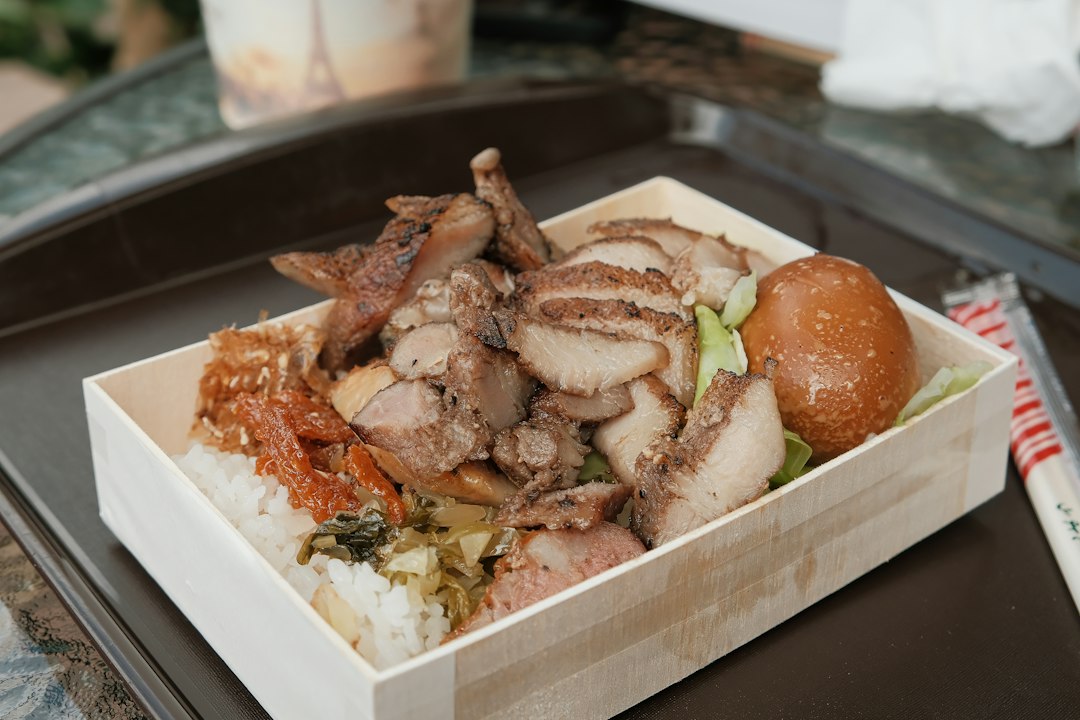
Need help finding the right provider?
Get free, no-obligation quotes from verified confinement food providers in Singapore.
Get Free Quotes →