Elderly Caregivers in Singapore: Budget vs Premium Cost Guide
24 Sep 2026 · 8 min read · Elderly Caregivers
If you've just relocated to Singapore and suddenly find yourself needing care for an ageing parent or in-law, you're probably staring at a bewildering range of prices — anywhere from a few hundred dollars a month to well over ten thousand. The honest answer to 'how much does elderly care cost in Singapore' is: it depends entirely on the tier of service you choose. This guide breaks down the real elderly caregiver cost in Singapore across three tiers, so you can match your budget to your family's actual needs — not just what an agency salesperson recommends.
Before we dive in, one quick vocabulary note: in Singapore, most home-based elderly care is delivered either by a Foreign Domestic Worker (FDW) — what many Western expats would call a live-in helper or maid — or by a trained caregiver from a licensed home care agency, who may be a Certified Nursing Assistant (CNA) or have formal eldercare training. Understanding this distinction is key to understanding the price gap.
Budget Tier: SGD 600–1,200 per month
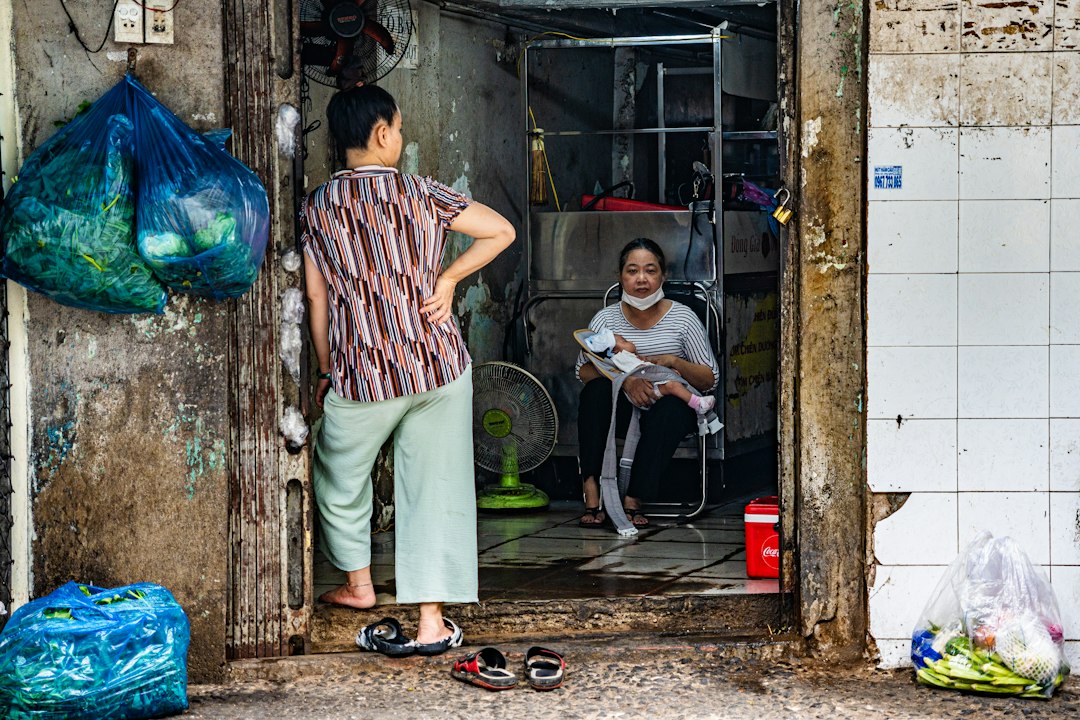
This is the FDW route, and it's how the majority of Singaporean and expat families handle basic elderly care at home. You employ a foreign domestic worker (typically from Indonesia, the Philippines, or Myanmar) whose duties include caregiving alongside general housework.
- Monthly salary: SGD 550–800, depending on nationality and experience
- MOM levy: SGD 60/month if you qualify for the concessionary levy (available when the helper is caring for an elderly family member aged 67 and above, or a child under 16) — versus SGD 300/month standard levy
- One-off agency/placement fee: SGD 1,500–3,000
- Insurance & medical checkups: SGD 300–500/year
What you actually get: a live-in helper who can assist with bathing, dressing, feeding, mobility support, and light housekeeping. What you don't get: medical training. Most FDWs have zero formal caregiving certification unless they've completed a specific eldercare course (some agencies now offer this as an add-on for SGD 200–400).
This tier suits families whose elderly relative is largely independent but needs help with daily activities and companionship — common in heartland flats around Toa Payoh, Ang Mo Kio, and Bedok where many elderly Singaporeans live alone or with adult children who work full-time. The trade-off is real: if your parent has dementia, is bed-bound, or needs medication management, an untrained helper alone is not enough, and you risk burnout for the helper and unsafe care for your loved one.
Mid-Range Tier: SGD 2,000–4,500 per month
This is where trained, part-time or full-day caregivers from licensed home care agencies come in — think companies operating under Agency for Integrated Care (AIC) accreditation. You're paying for actual skill, not just availability.
- Hourly rate (part-time): SGD 20–35/hour, usually with a 4-hour minimum
- Daily caregiver (8–12 hours): SGD 150–250/day
- Monthly package (daily visits, no live-in): SGD 2,500–4,200
These caregivers are trained in fall prevention, basic wound care, medication reminders, and mobility assistance, and many agencies rotate staff so you're not solely dependent on one person's availability (unlike an FDW, who can fall sick or need days off with no backup). Some families combine this with a part-time FDW for housework, splitting duties to manage total cost.
This tier is ideal for elderly parents in Bukit Timah, Holland Village, or Sengkang who need structured daily support — say, morning-to-evening care while adult children are at work — but don't require 24-hour supervision. Do check whether the Home Caregiving Grant (up to SGD 400/month, means-tested, administered via AIC) applies to your household; it can meaningfully offset this tier's elderly caregiver cost in Singapore.
Premium Tier: SGD 5,000–10,000+ per month
At the top end, you're looking at a live-in professional caregiver or trained nurse — sometimes a registered nurse or enrolled nurse from a premium home care agency — providing round-the-clock or near-24-hour care.
- Live-in trained caregiver (non-nurse): SGD 4,500–6,500/month
- Live-in Registered Nurse / Enrolled Nurse: SGD 7,000–10,000+/month
- Nursing home (private, premium wing): SGD 4,500–8,000/month, separate from home-based options
This tier covers complex medical needs — post-stroke rehabilitation, Parkinson's, advanced dementia, palliative care, or tube feeding — where you genuinely need clinical competency on-site. Premium providers often include care coordination, doctor liaison, and detailed daily health logs, which matters enormously if extended family overseas wants regular updates. The obvious trade-off is cost: this is roughly the price of a mortgage instalment on a mid-sized condo in some parts of Singapore, and it's ongoing.
This tier suits expat families in Tanglin, Holland Village, or Sentosa Cove who have the budget and prioritise peace of mind over cost — particularly where the elderly patient has a medical condition requiring skilled nursing rather than just companionship.

Side-by-Side Comparison
| Tier | Monthly Cost (SGD) | Who Provides Care | Best For | Key Limitation |
|---|---|---|---|---|
| Budget | 600–1,200 | Foreign Domestic Worker (untrained) | Independent elderly, light daily support | No medical training, single point of failure |
| Mid-Range | 2,000–4,500 | Trained agency caregiver, part/full day | Structured daily support, fall risk, medication needs | No overnight coverage unless upgraded |
| Premium | 5,000–10,000+ | Live-in nurse or professional caregiver | Complex medical needs, 24/7 supervision | Highest ongoing cost |
Which Tier Should You Pick?
Ask yourself these questions before committing:
- Can your parent manage bathing, toileting, and mobility mostly alone? Budget tier likely works.
- Do they need daily hands-on help but sleep through the night fine? Mid-range gives you trained support without paying for 24-hour coverage you don't need.
- Is there a diagnosed medical condition requiring clinical monitoring, or a real fall/wandering risk overnight? Don't cut corners — go premium, or at minimum a mid-range package with night shift add-ons (typically SGD 800–1,500 extra/month).
- Is this a temporary need (post-surgery recovery) or long-term? Short-term recovery care often makes sense at mid-range or premium hourly rates rather than committing to a long-term live-in arrangement.
Many families in Singapore actually blend tiers over time — starting budget, upgrading to mid-range as needs increase, and reserving premium care for acute episodes like post-hospitalisation recovery. There's no shame in adjusting as circumstances change; that's exactly how most Singaporean families approach eldercare planning too.
Next Steps
Whichever tier fits your situation, always verify agency licensing with MOM and AIC accreditation before signing anything, and ask for a trial period. Find Elderly Caregivers providers who are pre-vetted and transparent about pricing, so you're not guessing at the true elderly caregiver cost in Singapore for your specific needs.
Ready to compare real quotes instead of estimates? Get free quotes from verified providers on KakiList.
Need help finding the right provider?
Get free, no-obligation quotes from verified elderly caregivers providers in Singapore.
Get Free Quotes →