Hiring Elderly Caregivers in Singapore: An Expat's Guide
If you've relocated to Singapore and suddenly find yourself responsible for an ageing parent or in-law — whether they've moved with you or you're coordinating care for someone back home who now needs support here — you're probably realising the system works quite differently from what you're used to. There's no NHS-style care coordinator who calls you, no Medicare aged care assessment team showing up at your door. In Singapore, arranging elderly caregivers is largely something families organise themselves, often through a mix of government schemes, private agencies, and foreign domestic workers. This guide walks you through exactly how it works.
How Eldercare Works Differently Here
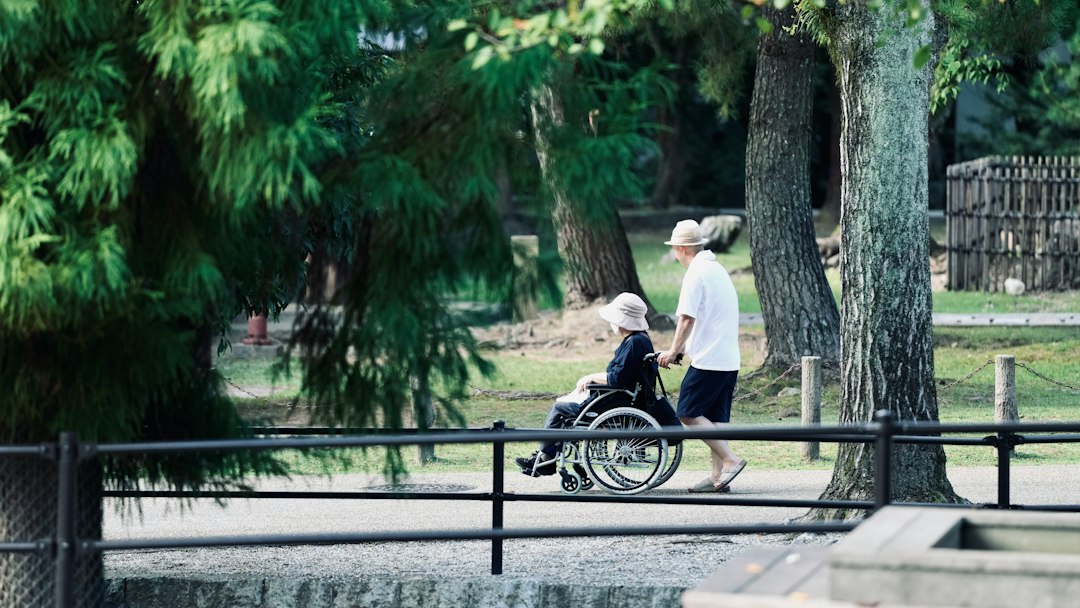
Singapore doesn't really have a culture of residential nursing homes as the default option — many families, including expat households, prefer in-home care, partly for cultural reasons (filial piety is taken seriously here) and partly because it's often more affordable than you'd expect. The two main routes for elderly caregivers are:
- Live-in Foreign Domestic Workers (FDWs) — commonly called "helpers" or "maids" locally — who can be trained or hired specifically for eldercare duties.
- Professional home care agencies that send trained caregivers or nurses on an hourly, daily, or live-in basis, similar to home care services you might know from the UK, Australia, or the US, but typically cheaper.
Many expat families use a combination: a live-in helper for daily support, supplemented by a professional nurse for medical tasks like wound dressing or medication management.
The Acronyms You'll Need to Know
If you're hiring a foreign domestic worker, you'll bump into a few Singapore-specific terms:
- MOM (Ministry of Manpower) — the government body that issues work permits for foreign domestic workers. You, as the employer, apply for this permit, and you're legally responsible for the helper's welfare, including housing, food, and medical insurance.
- Levy — a monthly fee paid to the government for employing a foreign domestic worker, currently around S$300/month for a first helper (lower concessionary rates of S$60/month apply if you have an elderly or disabled family member at home — worth checking if you qualify).
- Work Permit — the pass tied to your helper's employment; it's employer-specific, meaning she can't simply switch jobs without your consent and MOM's processing.
- Security Bond — S$5,000 you may need to post with MOM (waived for Malaysian helpers), as a guarantee against repatriation costs if things go wrong.
None of this applies if you go through a home care agency instead — those caregivers are the agency's employees, not yours, which is a much lighter administrative lift for busy expat families.
What It Costs in SGD
| Option | Typical Monthly Cost (SGD) | Notes |
|---|---|---|
| Live-in FDW (eldercare-trained) | S$600–900 salary + S$300 levy + ~S$150 food/upkeep | Plus one-off agency fee S$1,500–3,500 |
| Agency home caregiver (part-time, 4hrs/day) | S$2,000–3,500 | No levy, no employer liability |
| Agency live-in caregiver | S$4,500–7,000 | Often includes trained nursing support |
| Nursing home (private) | S$3,500–7,000 | Government-subsidised homes cheaper but long waitlists for non-citizens |
Compared to home care in the US or UK, Singapore's in-home options are generally more affordable — but note that subsidised government eldercare schemes (like those under the Agency for Integrated Care) are largely reserved for Singapore Citizens and Permanent Residents, so most Employment Pass or Dependant's Pass holders will be paying full private rates.
Paperwork and Visa Considerations
A few things catch expats off guard:
- If the person needing care is your parent visiting on a Long-Term Visit Pass or Social Visit Pass, they're not covered by Singapore's public healthcare subsidies, so factor in private insurance or self-paid medical costs.
- Hiring a helper requires you to be an Employment Pass, S Pass, or PR holder meeting MOM's minimum salary and quota criteria — not every pass holder automatically qualifies.
- You're responsible for your helper's medical insurance (minimum S$15,000 coverage per year) and a personal accident policy — this is a legal requirement, not optional.
Neighbourhoods and Practical Considerations
If you're choosing where to live with an elderly family member in mind, proximity to good hospitals and clinics matters more than school zones. Areas like Novena — home to Tan Tock Seng Hospital and several private medical centres — and Bukit Timah, popular with expat families for its green spaces and easy access to Gleneagles Hospital, are worth considering. HDB estates like Toa Payoh or Ang Mo Kio also have excellent senior-friendly infrastructure (void decks, senior activity centres, flat accessibility features) if you're renting a resale flat rather than a condo.
Common Pitfalls for Newcomers
- Assuming a helper equals a trained caregiver. Many FDWs have no medical background — ask agencies specifically for eldercare-experienced helpers, or budget for a caregiving course (around S$300–600).
- Underestimating the levy and insurance costs on top of salary — total monthly outlay is often 40–50% higher than the quoted "salary."
- Not checking agency licensing — always confirm the agency is MOM-licensed before signing anything.
- Overlooking respite care — if your live-in helper takes her mandatory rest day, you'll need a backup plan; many families forget this until the first Sunday rolls around.
For families wanting more structure without employing a helper directly, Find Elderly Caregivers providers who are licensed, insured, and used to working with expat households — it removes a lot of the guesswork around MOM compliance and levy calculations.
Getting Started
Whether you need a few hours of daily support or full-time live-in care, it pays to compare a few options before committing — costs and service quality vary significantly between agencies. Get free quotes from verified providers on KakiList and get a clearer picture of what's realistic for your family's situation and budget.
Need help finding the right provider?
Get free, no-obligation quotes from verified elderly caregivers providers in Singapore.
Get Free Quotes →