8 Executive Condo Myths Singapore Buyers Still Believe in 2026
Ask any Singaporean aunty at the kopitiam about Executive Condos (ECs) and you'll get at least three conflicting opinions — usually delivered with full conviction. ECs sit in this weird in-between zone: part public housing, part private condo, and fully misunderstood. With EC launches in places like Tengah, Bukit Batok, and Yishun still drawing long balloting queues in 2026, it's time we separate fact from kopitiam folklore.
Here's what you need to know about the most persistent Executive Condo Singapore myths — and what's actually true.
Myth 1: An EC is basically a BTO flat with a fancier name
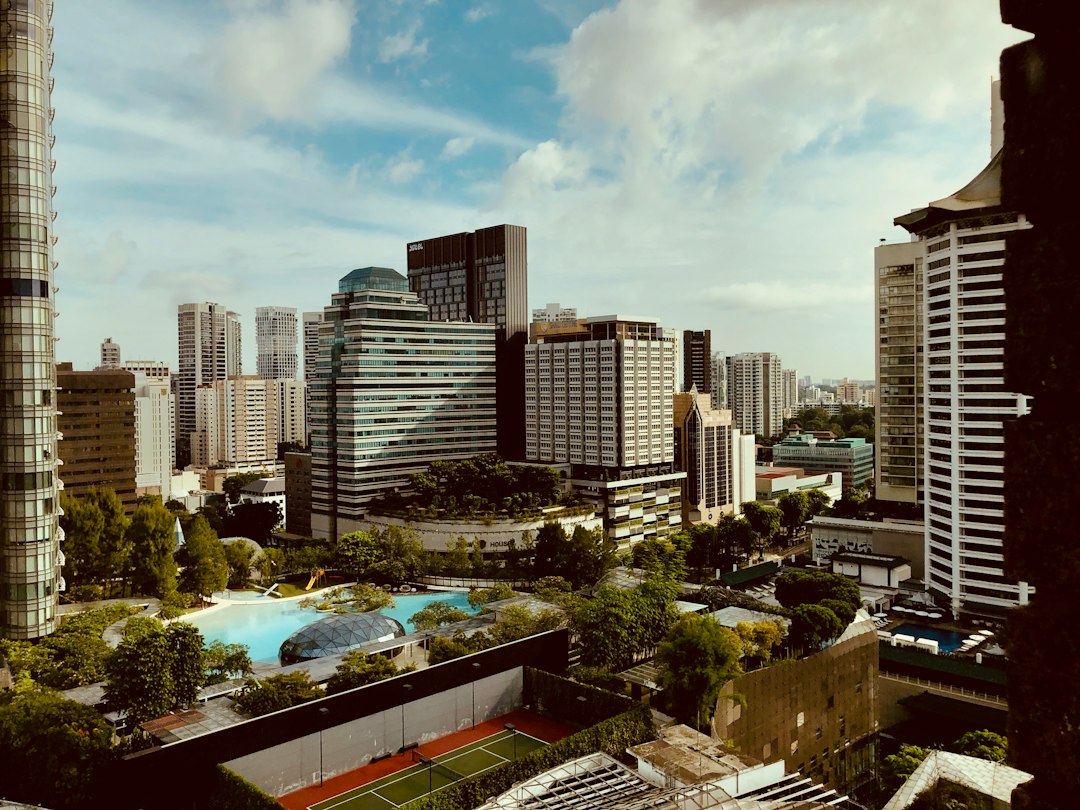
This one's understandable — both ECs and BTOs are subject to HDB income ceilings and a Minimum Occupation Period (MOP). But that's where the similarity ends. ECs are built and sold by private developers like City Developments or Sim Lian, come with full condo facilities (lap pools, gyms, function rooms, 24-hour security), and are priced like semi-private housing from day one.
In 2026, new EC units in Tengah and Bukit Batok are launching at roughly S$1,350 to S$1,650 per square foot, translating to S$1.2M–S$1.6M for a 4-room unit — significantly above BTO prices (typically S$450,000–S$650,000 for a comparable flat in non-mature estates).
Myth 2: You must be a first-timer buyer to get an EC
Mostly true, but not absolute. First-timer applicants get priority, but second-timers can still apply — they just pay a resale levy (up to S$55,000 depending on flat type) if they previously enjoyed an HDB subsidy. So that colleague who sold his BTO in Sengkang to upgrade to an EC in Woodlands? Completely legit, just slightly more expensive.
Myth 3: EC resale prices always double after MOP ends
This myth gets repeated at every dinner party, usually citing one lucky example. The truth is more nuanced. Some ECs like Northwave or Parc Canberra saw healthy 20–35% appreciation post-MOP, riding the 2021–2023 property boom. Others in less central locations saw flatter growth of 5–10% over five years. Location, unit facing, and market timing matter just as much as the EC label itself.
| Housing Type | Typical Price (4-room/3-bedder) | MOP | Facilities |
|---|---|---|---|
| BTO Flat | S$450,000 – S$650,000 | 5 years | Basic (playground, fitness corner) |
| Executive Condo (new) | S$1.2M – S$1.6M | 5 years | Full condo (pool, gym, BBQ pits) |
| Private Condo | S$1.8M – S$2.5M+ | None | Full condo + premium extras |
Myth 4: You can rent out your whole EC unit right after TOP
Nope — during the 5-year MOP, you cannot rent out the entire unit, full stop. You can only rent out individual bedrooms (and even then, subject to occupancy caps and HDB approval for the room rental scheme). Whole-unit rental only kicks in once MOP ends. This trips up a lot of newly minted owners who assumed EC rental rules mirrored private condos from day one.
Myth 5: ECs don't qualify for any CPF housing grants
Partially false. While the old EC Housing Grant was phased out, eligible first-timer households (with monthly income up to S$16,000) can still tap the CPF Step-Up Housing Grant of up to S$30,000 when purchasing a new EC, provided they meet the relevant conditions. It's smaller than BTO grants, but it's not zero — so don't skip the paperwork.
Myth 6: EC facilities are a step down from private condos
If you've walked through an EC showflat in Punggol or Canberra recently, you'll know this isn't true. Developers building ECs still need to hit private-condo-grade specifications to justify pricing — think 50m lap pools, co-working lounges, and gym equipment that rivals a boutique fitness studio. The difference lies in land cost and eligibility rules, not construction quality.
Myth 7: Once MOP ends, you can sell to anyone, including foreigners
Close, but not quite. At the 5-year MOP mark, you can sell to Singapore Citizens and Permanent Residents. Only at the 10-year mark, when the EC fully privatises, can you sell to foreigners. This two-stage timeline catches many sellers off guard when they list too early and wonder why their foreign buyer's offer falls through.
Myth 8: EC home loans work exactly like HDB loans
Big myth. There's no such thing as an HDB concessionary loan for ECs — buyers must use bank loans only, subject to the same Loan-to-Value (LTV) limits as private property (currently up to 75% for a first home loan, lower for subsequent properties). Total Debt Servicing Ratio (TDSR) of 55% applies too, so crunch your numbers with a mortgage broker before committing to that S$1.4M unit in Bukit Batok.
The Bottom Line
ECs remain one of the better value-for-money options for Singaporean households who've outgrown their BTO but aren't ready for full private condo prices. But the myths around pricing, rental rules, and resale timelines can cost you real money if you get them wrong — especially the MOP and loan rules. Do your homework, run the numbers against your household income ceiling, and compare actual transacted prices (not kopitiam estimates) before you commit.
Need help navigating developer floor plans, mortgage comparisons, or legal conveyancing for your EC purchase? Find Executive Condo (EC) providers on KakiList who can walk you through the entire process.
Ready to compare quotes for your EC purchase journey — from mortgage brokers to renovation contractors? Get free quotes from verified providers on KakiList.
Need help finding the right provider?
Get free, no-obligation quotes from verified executive condo (ec) providers in Singapore.
Get Free Quotes →