Gifts & Hampers in Singapore: An Expat's Survival Guide
TL;DR: Gifts and hampers in Singapore are a year-round social ritual, not just a Christmas thing. There are unspoken rules about colours, numbers, halal food and even who you can give to. Get it wrong and it's paiseh. Get it right and your new colleagues, neighbours and landlord will think you're a total pro.
Just landed on an Employment Pass and already got a WhatsApp saying 'Hi, any CNY hamper orders?' Welcome. Here's your cheat sheet.
Image credit: Unsplash
1. Why Gifting Works Differently Here
Back home, you might gift mainly at birthdays and Christmas. In Singapore, the calendar is packed because of our four major cultures (Chinese, Malay, Indian, Eurasian and more), each with its own festive season.
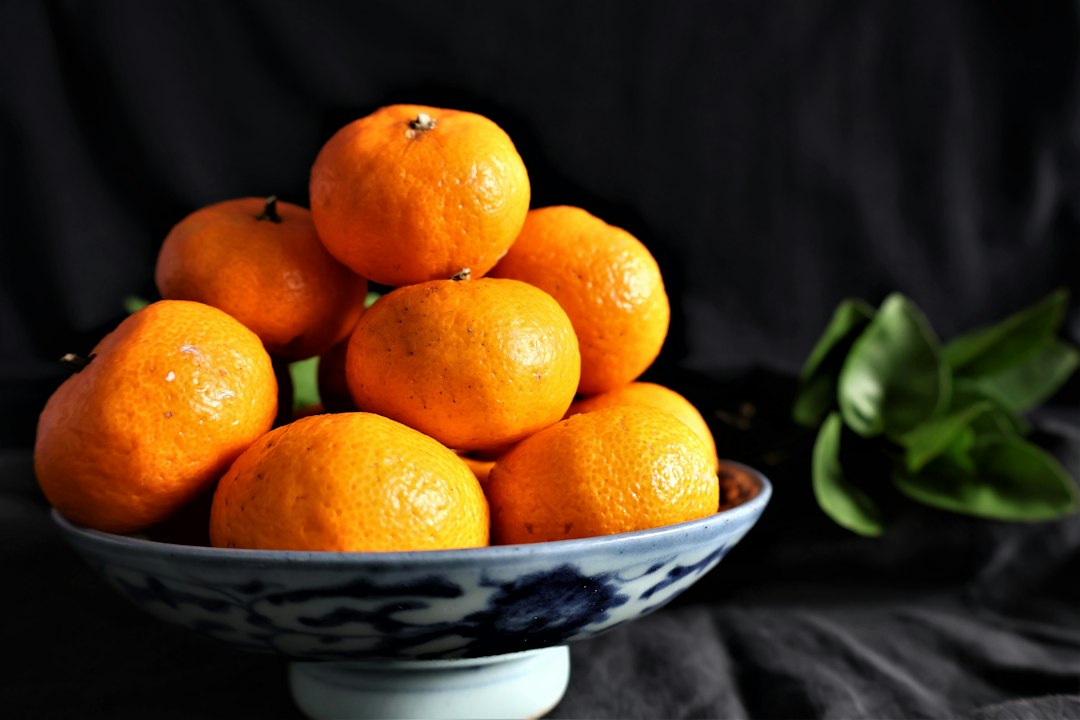
- Chinese New Year (CNY): The big one. Hampers of snacks, mandarin oranges, bak kwa (barbecued pork jerky) and pineapple tarts get passed around for two weeks. CNY 2027 falls on 6 February, so early-bird lobang are already live this month.
- Hari Raya Puasa: Cookie tins and festive hampers, often halal-certified.
- Deepavali: Sweets, snacks and decor. This year's came and went on 8 November, so keep it in mind for 2027.
- Christmas: Secret Santa at the office, wine hampers, kids' gift sets.
- Baby full-month and housewarmings: Both are big deals socially.
ICYMI, hampers are also a common way for companies to thank clients. Expect one from your vendor, bank or even your property agent.
2. What Will It Cost? SGD Reality Check
| Occasion | Typical budget (SGD) |
|---|---|
| Colleague or neighbour festive hamper | S$30 - S$80 |
| Premium CNY hamper (abalone, sea cucumber, premium tea) | S$150 - S$500+ |
| Corporate client hamper (bulk orders) | S$50 - S$200 each |
| Baby full-month hamper | S$80 - S$250 |
| Housewarming gift | S$40 - S$120 |
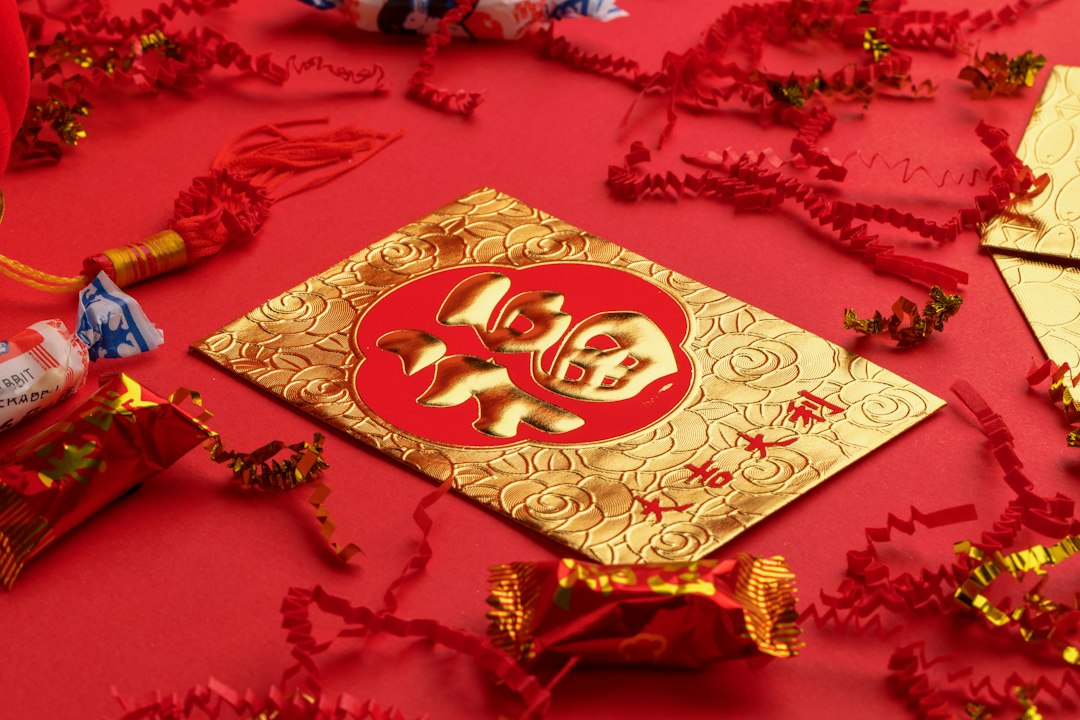
| Ang bao (red packet) for juniors or kids | S$6 - S$28 |
Pro tip: Check if prices include GST. GST stands for Goods and Services Tax, currently 9%, and it can add a nasty surprise at checkout if a merchant quotes before tax.
3. The Paperwork and Rules Nobody Warns You About
Can you sell hampers on the side?
Tempted to start a Carousell hamper hustle? Hold up. If you're on an Employment Pass (EP), issued by the Ministry of Manpower (MOM), you're tied to your sponsoring employer. Running your own business generally isn't allowed without proper approval. Selling homemade food also needs Singapore Food Agency (SFA) licensing. Buying hampers is totally fine, but selling them is a different story.
Gifting to government officers and teachers
Public officers are bound by strict anti-corruption rules under the Prevention of Corruption Act. Don't send hampers to officers handling your applications, such as licences or permits. Schools also discourage expensive gifts to teachers. A handwritten card is shiok enough.
Alcohol in hampers
Wine and spirit hampers are popular, but alcohol is dutiable here and expensive. Bringing bottles through customs means paying duty, so buying locally from a hamper provider is usually simpler. Also note the Liquor Control Act bans drinking in public places from 10.30pm to 7am. Don't gift a bottle and then crack it open at the void deck at midnight.
Bringing food gifts from overseas
Planning to fly in with cheese, cured meats or homemade jam? Singapore has tight rules on imported food, especially meat and dairy products. Check SFA requirements before you pack. Online purchases from overseas may also attract GST once they pass the value threshold, so check Singapore Customs.
4. 5 Etiquette Rules That Save You From Paiseh Moments
- Avoid the number 4. In Chinese, it sounds like the word for 'death'. Give sets of 2, 6 or 8 instead.
- Skip clocks, white flowers and sharp objects for Chinese recipients. All are associated with funerals or severing ties.
- Red and gold are your friends at CNY. Avoid all-black or all-white wrapping.
- Check halal status. For Muslim friends, look for MUIS (Majlis Ugama Islam Singapura) halal certification. 'No pork, no lard' on its own is not enough.
- Don't use your left hand only. Give and receive with both hands. It's a small gesture that shows respect, especially to elders.
Image credit: Unsplash
5. Who Should You Actually Give To?
- Your landlord: Renting an HDB flat or condo? HDB (Housing & Development Board) is Singapore's public housing, home to most residents. A small CNY hamper, around S$30 to S$50, goes a long way when it's time to renew the lease.
- Your domestic helper: If you employ one, remember you already pay a monthly levy (a government fee employers pay per foreign worker, set by MOM). Festive gifts and a day off on festive days are kind, appreciated gestures on top of salary.
- Your boss: A modest gift is fine, but don't go overboard. A token from the team is more common than individual gifts.
- Neighbours: Leave a small festive treat at the door during CNY or Hari Raya. It's an easy way to make friends in a new block.
6. Where to Shop: Expat-Friendly Neighbourhoods
- Tanglin and Holland Village: Boutique grocers and gourmet shops with international wines, cheeses and artisanal sweets.
- Tiong Bahru: Bakeries and indie shops with local-made gifts that look good on Instagram.
- Katong and East Coast: Peranakan kueh, pineapple tarts and heritage snacks. A solid pick if you want something truly local.
- Orchard Road and River Valley: Department stores like Takashimaya and Isetan run big festive hamper fairs.
- Chinatown, Geylang Serai and Little India: Festive bazaars with the best atmosphere and often the best prices for CNY goodies, Hari Raya cookies and Deepavali sweets.
- Heartland malls (Tampines, Jurong, Woodlands): Cheaper hamper options and bulk deals, perfect if you're kiasu about budgets.
7. Common Newbie Mistakes (Don't Say We Never Warn You)
- Ordering too late. Popular CNY hampers sell out by early January. Order by December for the best lobang.
- Ignoring dietary needs. Check for halal, vegetarian and nut allergies before you buy.
- Forgetting delivery cut-offs. Festive periods mean packed couriers. Confirm delivery dates in writing.
- Over-gifting. A S$300 hamper to a new acquaintance can make people uncomfortable. Match the gift to the relationship.
- Not comparing quotes. Prices for the same contents can vary by 20% or more between vendors.
8. Should You DIY or Hire a Hamper Provider?
DIY is fun if you have time. You can grab goodies from FairPrice Finest or a wet market, then wrap them yourself. But for bulk orders, corporate gifting or premium items, a professional provider handles sourcing, packing, halal compliance and delivery for you. That's one less thing on your already long relocation to-do list.
Browse Find Gifts & Hampers providers on KakiList to compare options across Singapore, from budget-friendly to luxury.

Final Word
Gifts and hampers in Singapore may seem like a minefield at first, but once you get the hang of festive timing, cultural do's and don'ts, and the simple rules around GST, halal and alcohol, it becomes one of the best ways to connect with locals. Start early, ask questions and don't be shy about asking a Singaporean friend for advice. We love to help.
Ready to order? Get free quotes from verified providers on KakiList and sort out your festive hampers the shiok way.
Need help finding the right provider?
Get free, no-obligation quotes from verified gifts & hampers providers in Singapore.
Get Free Quotes →