Health Screening in Singapore: A First-Timer's Guide
If you've just relocated to Singapore, chances are someone has already told you to "go do a health screening." Maybe it's a colleague, your new landlord, or even your condo's WhatsApp chat group. But if you've never done one before, the whole idea can feel vague — what exactly happens, how much does it cost, and do you even need it if you're young and feel fine?
This guide walks you through everything a first-timer needs to know about health screening in Singapore, from booking your appointment to understanding your results report.
What Is a Health Screening, Exactly?
A health screening is a bundle of medical tests designed to catch problems before you feel any symptoms — things like high cholesterol, diabetes, early-stage cancers, or heart issues. It's different from going to see a doctor because you're sick (that's called a GP consultation). Instead, you go when you're feeling perfectly healthy, precisely because many serious conditions don't show symptoms until they're advanced.
In Singapore, health screening is a normal part of adult life. Many companies include it as part of annual employee benefits, and it's often a requirement for work permit or Employment Pass renewals, insurance applications, or even gym memberships at some premium clubs. If you're applying for permanent residency (PR) down the line, having a clean bill of health on record can also help.
Step-by-Step: How the Process Works
1. Choose a Package
Clinics and hospitals offer screening "packages" tiered by age, gender, and risk level — think Basic, Standard, Comprehensive, or Executive. A 28-year-old with no family history needs a very different package from a 55-year-old with a family history of diabetes. Don't just pick the most expensive one; pick the one that matches your actual risk profile.
2. Book Your Appointment
You can book directly with a private clinic, a polyclinic (government-subsidised clinics for Singaporeans and PRs — expats on work passes generally use private clinics), or a hospital's health screening centre. Most private providers let you book online or via WhatsApp, and slots are usually available within a week.
3. Fast Before You Go
Most packages require 8–12 hours of fasting (water is fine) if they include blood sugar or cholesterol tests. Book a morning slot so you're not starving all day — and bring snacks for afterwards, because you'll likely feel a bit light-headed after the blood draw.
4. The Actual Screening Day
Expect to spend 1.5 to 3 hours there, depending on the package. A typical visit includes:
- Registration and a health questionnaire — lifestyle habits, family medical history, current medications.
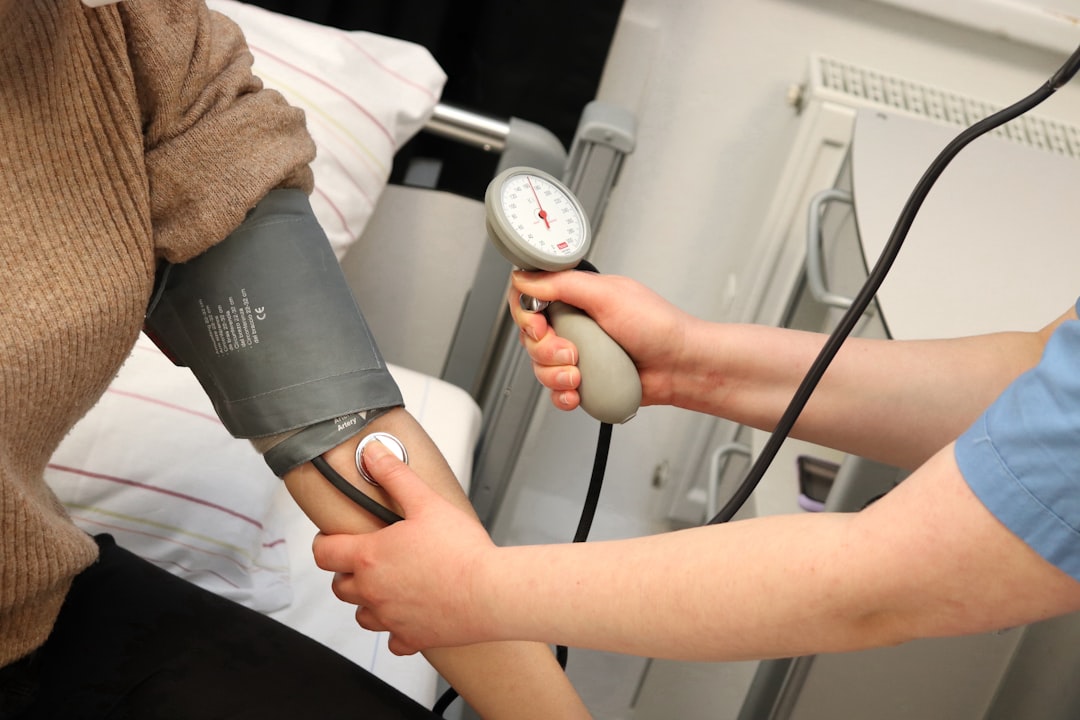
- Vitals check — height, weight, BMI, blood pressure.
- Blood draw — for cholesterol, blood sugar, liver and kidney function, and more depending on your package.
- Urine and sometimes stool sample — collected in a private bathroom, don't worry it's quick and discreet.
- Resting ECG — a painless heart rhythm check using sticky electrode pads.
- Chest X-ray — usually for smokers or those above 40.
- Doctor's physical exam — a GP checks your abdomen, reflexes, and discusses your questionnaire answers.
- Additional scans (for higher-tier packages) — ultrasounds, mammograms, pap smears, colonoscopy referrals, or cancer marker blood tests.
5. Getting Your Results
Same-day verbal summary is common for basic results like blood pressure and BMI. Full lab results (blood work, imaging) typically take 3–7 working days, sent via a secure portal, email, or a follow-up consultation call. If anything is abnormal, the clinic will usually call you proactively to arrange a follow-up rather than let you find out via an impersonal PDF.
How Much Does It Cost in Singapore?
Prices vary significantly by provider and package depth. Here's a realistic range as of 2026:
| Package Type | Typical Price (SGD) | Best For |
|---|---|---|
| Basic screening | $80 – $180 | Under 35, no major risk factors |
| Standard screening | $200 – $450 | Adults 35–50, general health tracking |
| Comprehensive/Executive | $500 – $1,200 | 50+, family history, or insurance/visa requirements |
| Specialist add-ons (MRI, colonoscopy, mammogram) | $300 – $1,500 each | As recommended by your doctor |
If you're coming from the US, this will likely feel inexpensive since you're paying out-of-pocket transparent pricing rather than dealing with insurance co-pays. If you're coming from the UK where the NHS covers this, it'll feel like an unusual new expense — but the trade-off is speed. You're not waiting months for an appointment.
Tip: check whether your employer's insurance plan or your personal health insurance includes an annual screening benefit — many expat packages do, and it's often underused simply because people don't know to ask HR.
Jargon Decoder
- Fasting panel — blood tests requiring you to not eat beforehand (usually cholesterol and glucose).
- Lipid panel — measures your cholesterol levels (HDL, LDL, triglycerides).
- HbA1c — a blood test showing your average blood sugar over 2–3 months, used to screen for diabetes.
- Tumour markers — blood proteins that can indicate certain cancers, though they're not definitive on their own.
- Polyclinic — government-subsidised primary care clinics, mainly for citizens and PRs with subsidised rates.
What a Good First Experience Looks Like
A well-run screening should feel efficient, not rushed. You should be asked clear questions, given privacy for samples and exams, and walked through your results in plain English — not just handed a report full of numbers with no explanation. A good clinic will flag follow-up actions clearly rather than burying concerning results in fine print. If English isn't the staff's first language either, don't worry — most private clinics catering to expats in areas like Orchard, Novena (Singapore's unofficial "medical hub" with several hospitals clustered together), and Tanglin are well set up for multilingual service.
Getting Started
Your first health screening doesn't need to be stressful. Pick a package appropriate to your age and risk factors, fast the night before, block out a morning, and expect a clear report within a week. Many expats make this part of their annual routine alongside dental check-ups and insurance renewals — a small recurring habit that gives real peace of mind living in a new country.
Ready to compare providers? Find Health Screening providers near your neighbourhood, from Novena's hospital clusters to clinics closer to home in the east or west.
Not sure which package or provider suits your needs? Get free quotes from verified providers on KakiList and compare pricing before you book.

Need help finding the right provider?
Get free, no-obligation quotes from verified health screening providers in Singapore.
Get Free Quotes →