Holistic Wellness in Singapore: A First-Timer's Guide
Moved to Singapore and your shoulders are somewhere up near your ears from the relocation stress? You're not alone. Many expats discover that the combination of a new job, a new home, and a completely new system for everything from banking to buying vegetables leaves them craving something that treats the whole person — not just a symptom. That's where holistic wellness in Singapore comes in, and this guide will walk you through exactly what to expect, step by step.
What Does "Holistic Wellness" Actually Mean?
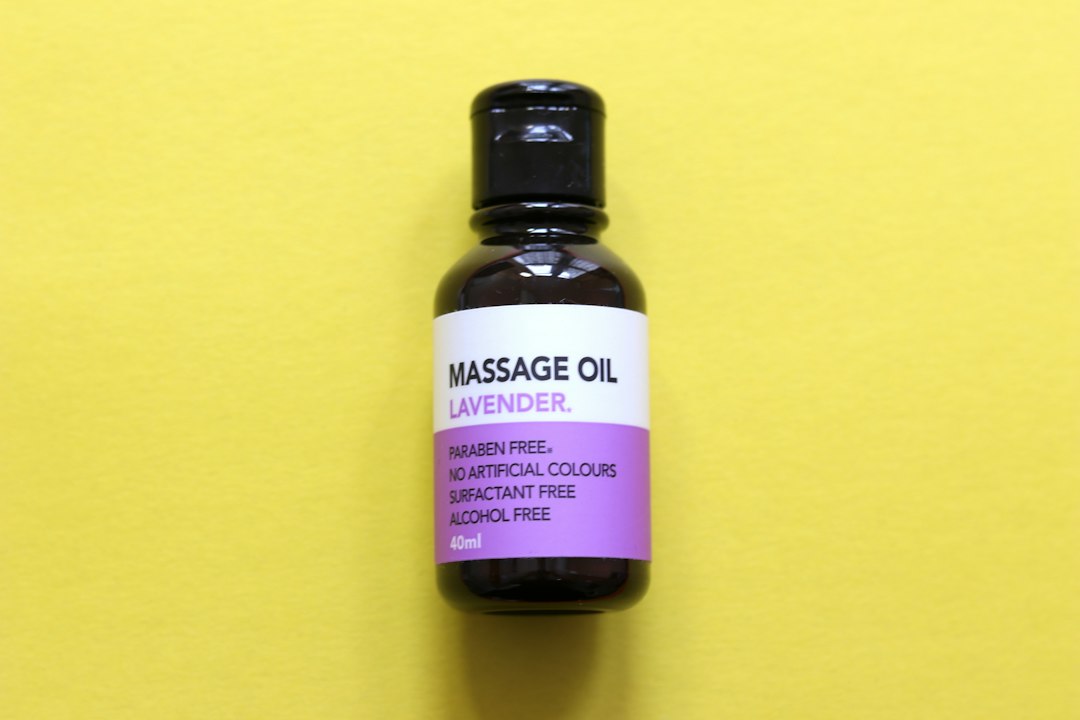
Unlike a quick massage at a mall kiosk, holistic wellness treats your body, mind, and sometimes even your "energy" or emotional state as interconnected. In Singapore, this umbrella term covers a wide range of services:
- Traditional Chinese Medicine (TCM) — acupuncture, cupping, herbal consultations. Think of a sinseh (TCM physician) checking your pulse and tongue before prescribing herbs.
- Ayurveda — popular among the Indian expat community, this is India's ancient system of diet, herbs, and body treatments.
- Energy healing — reiki, sound bath therapy, and similar modalities.
- Holistic bodywork — lymphatic drainage, myofascial release, and reflexology that go beyond relaxation into structural or circulatory goals.
- Functional nutrition and naturopathy — practitioners who look at gut health, hormones, and lifestyle rather than just prescribing a pill.
Singapore has a genuinely unique blend here — you'll find Chinese, Malay, Indian, and increasingly Western-trained practitioners all operating within a short MRT ride of each other. It's one of the nicer perks of living in such a multicultural city.
How the Booking Process Works
If you're used to walking into a clinic back home without an appointment, recalibrate — most reputable holistic practitioners in Singapore run on a booking system, often through WhatsApp or an app like Vagaro or Timely. Here's the typical flow:
- Research and shortlist. Check Google reviews and ask in expat Facebook groups (SG Expat Wives, Expat Living's forums, or your condo's WhatsApp chat are goldmines).
- Message or call to ask about your specific concern. Good practitioners will ask a few questions before booking you in — this isn't a sales tactic, it's them making sure the modality actually suits you.
- Fill in a health intake form. Expect questions about medications, pregnancy status, old injuries, and allergies. Be honest — this protects you.
- Confirm location. Many holistic clinics operate out of shophouses in Tiong Bahru or Joo Chiat, or within wellness hubs in Orchard and Novena. A smaller but growing number offer home visits, especially for postnatal massage or elderly care.
What to Expect on the Day
First session nerves are normal. Here's roughly how it unfolds:
- Arrive 10–15 minutes early to complete paperwork if you haven't done so online.
- Initial consultation (15–30 minutes). This is longer than most Western spa visits — practitioners here genuinely want your history before touching you.
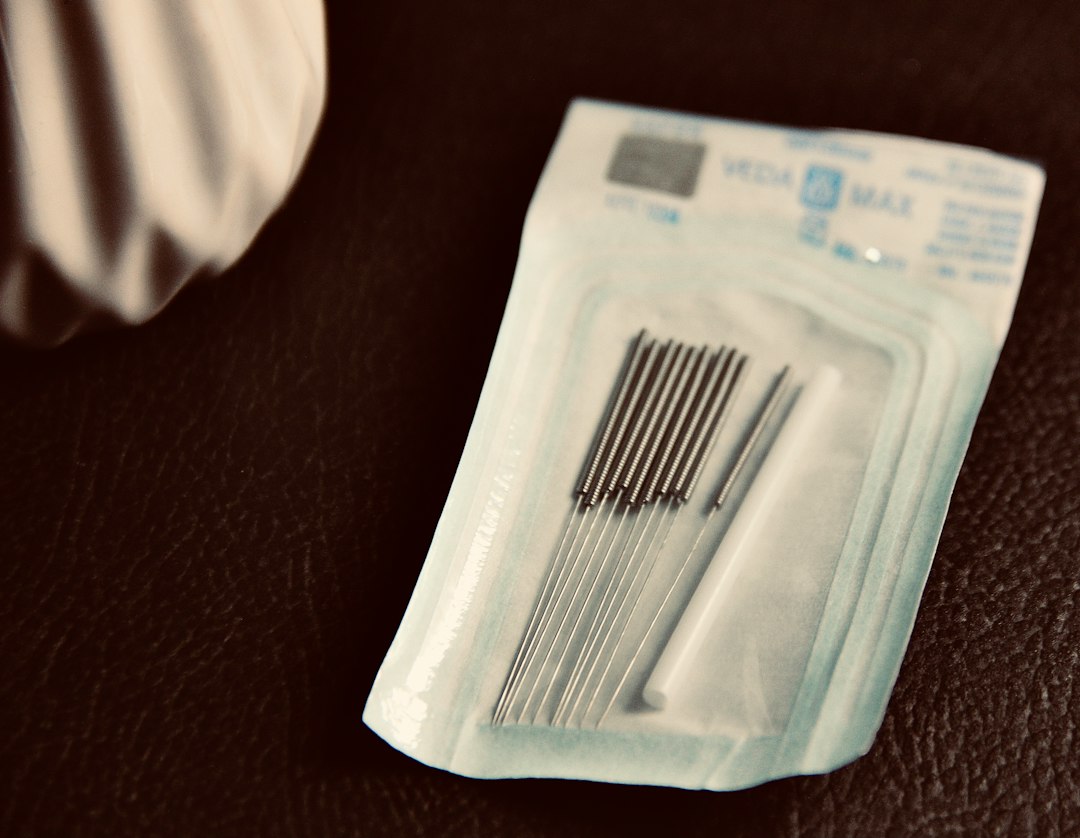
- Treatment (45–90 minutes) depending on the modality. TCM acupuncture sessions often run 45 minutes with needles left in for 20 of those; Ayurvedic treatments can run longer due to oil application and steam.
- Post-treatment advice. Don't be surprised if you're told to avoid cold drinks, skip your gym session, or drink extra water — this is standard aftercare advice in TCM and Ayurvedic traditions, not upselling.
Clinics are air-conditioned (sometimes aggressively so — bring a light sweater), and most are spotlessly clean, reflecting Singapore's broader hygiene standards.
Typical Costs in SGD
| Service | Typical Price Range (SGD) |
|---|---|
| TCM consultation + acupuncture | $60–$120 per session |
| Ayurvedic massage (60–90 min) | $90–$180 |
| Reflexology (45 min) | $50–$90 |
| Reiki/energy healing (60 min) | $100–$180 |
| Lymphatic drainage massage | $120–$220 |
| Naturopathy/functional nutrition consult | $150–$300 (initial), $80–$150 (follow-up) |
For context, if you're coming from the US, UK, or Australia, these prices are often comparable or slightly lower than equivalent boutique wellness studios back home — though a $15 traditional massage at a heartland shop is also still very much a thing if you just want something quick and cheap.
Jargon You'll Hear (Decoded)
- Sinseh — a traditional Chinese medicine physician, often older and highly experienced, sometimes operating out of modest-looking shopfronts that belie serious expertise.
- Qi (chi) — the concept of vital energy flow in TCM; practitioners aim to "unblock" stagnant qi.
- Dosha — in Ayurveda, your constitutional body type (vata, pitta, kapha) that determines recommended treatments and diet.
- Gua sha — a scraping technique using a smooth-edged tool, often leaves temporary redness (it looks alarming, it isn't).
- Cupping — suction cups applied to the skin, also leaves temporary circular marks lasting a few days.
What a Good First Experience Looks Like
You'll know you've found a solid practitioner if they: explain what they're doing before they do it, ask about your medical history thoroughly, don't pressure you into buying a 10-session package on day one, and give you realistic expectations (holistic treatments are rarely a one-and-done fix — think of it as a process, not a switch you flip).
Red flags include practitioners who diagnose serious medical conditions without referring you to a doctor, or clinics that insist on upfront payment for expensive bundles before you've even tried a single session.
If you're also exploring other support services as you settle in — from confinement nannies to physiotherapy — it's worth browsing Find Holistic providers to compare verified options in one place rather than relying purely on word of mouth.
Finding the Right Fit
Singapore's holistic wellness scene is genuinely diverse, which is wonderful, but it also means doing a little homework before committing. Look for practitioners registered with professional bodies (like the Traditional Chinese Medicine Practitioners Board for TCM professionals), read recent reviews, and don't be afraid to ask directly how many years they've been practising.
Settling into a new country is rarely a straight line, and your body often carries the stress before your mind catches up. A good holistic wellness routine — even just one session a month — can be a steady anchor point in an otherwise unpredictable first year here.
Ready to book your first session? Get free quotes from verified providers on KakiList.
Need help finding the right provider?
Get free, no-obligation quotes from verified holistic providers in Singapore.
Get Free Quotes →