Home Insurance Singapore: 3 Real Household Stories
When you move to Singapore, home insurance usually sits at the bottom of the to-do list, somewhere below finding an international school and learning which hawker centre has the best chicken rice. It tends to move up the list only after something goes wrong. The monsoon season runs from roughly November to January, which is a good time to take a look at your cover.
Below are three composite household stories. They are not real named individuals, but each is built from the kinds of situations that insurers and neighbours in Singapore see regularly. Between them they show what home insurance Singapore policies actually do, what they cost in SGD, and where newcomers get caught out.
Story 1: The Tenants Who Assumed the Landlord Had It Covered
Who they are
Priya and Arjun moved from Bangalore to a two-bedroom rental condo in Novena. It is a popular area with professionals because of the MRT access and the nearby hospitals. They pay about S$4,800 a month in rent, which felt steep compared with home but is typical for a central condo.
What happened
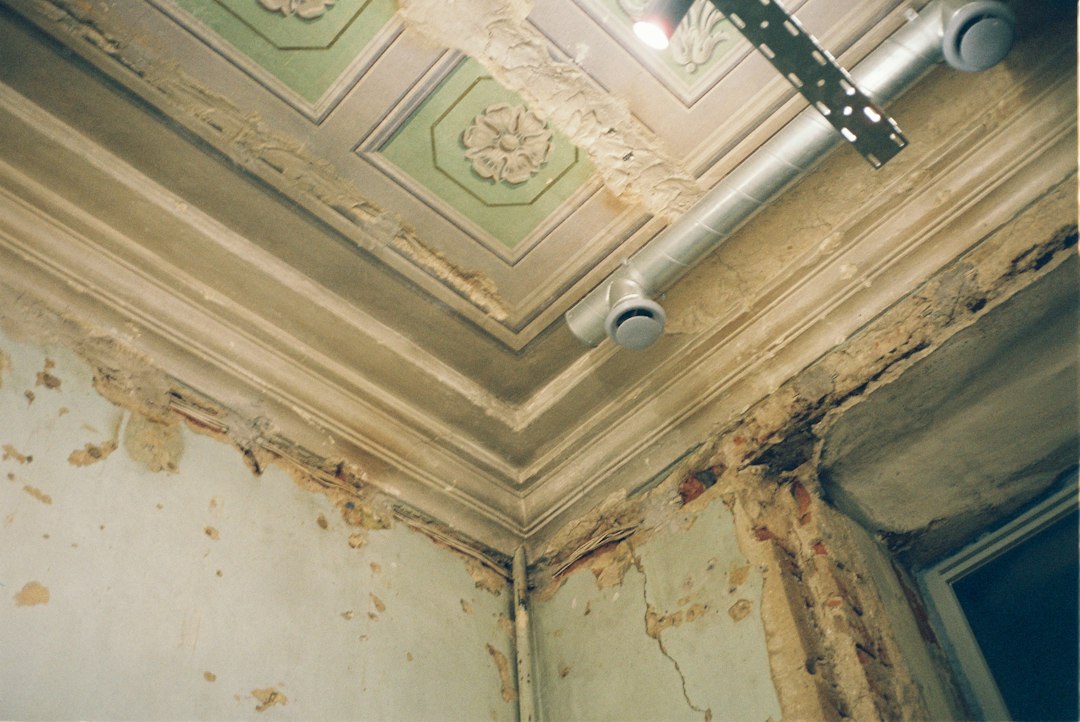
An upstairs neighbour's washing machine hose burst while the neighbour was away. Water came through the ceiling and onto their sofa, a rug, and a laptop left on the dining table. Their landlord had insurance, but a landlord's policy covers the building and the landlord's own furniture. It does not cover a tenant's belongings.
What they did
Luckily, Arjun had bought a basic contents policy online during their first week, mostly because the agent mentioned it while they were signing the tenancy agreement. The premium was about S$180 a year. They claimed roughly S$4,200 for the sofa, the rug, and the laptop. The excess (the amount you pay yourself before the insurer pays) was S$100.
What they learned
- As a tenant you need contents cover, not building cover.
- Take dated photos of your valuables when you move in. Claims are much smoother with proof.
- Check whether your policy covers items you carry outside the home, such as laptops and phones.
Story 2: The HDB Owners With a Brand-New Renovation
Who they are
Mark is a British engineer with Singapore permanent resident (PR) status. His Singaporean wife Wei Ling and their two kids live in a resale 5-room HDB flat in Bishan. HDB stands for Housing & Development Board, the public housing authority where around 80% of Singaporeans live. They spent about S$60,000 renovating the flat with a new kitchen, built-in wardrobes, and wooden flooring.
What happened
Eight months later, a fire started in a neighbour's kitchen. It was put out quickly, but smoke and water damage spread to their unit. The new cabinetry was discoloured and the walls needed repainting.
What they did
Mark had assumed the HDB Fire Insurance Scheme had them covered. That scheme is compulsory if you have an HDB housing loan, but it mainly covers the flat's original structure and fittings, not your renovation or contents. Fortunately, Wei Ling had added a home policy with renovation and contents cover, at about S$260 a year. The insurer paid around S$12,800 for repainting, cabinet replacement, and professional cleaning.
What they learned
- Fire insurance from HDB and mortgage protection (the Home Protection Scheme) are different things. Neither automatically covers the S$60,000 you put into the interior.
- The sum insured should match your actual renovation cost. Underinsuring means a reduced payout.
- Keep your renovation contractor's invoices. If you are planning works, see our renovation contractors directory and ask them for itemised quotes.
Story 3: The Condo Family With a Visitor Who Slipped
Who they are
Kenji and Yuki relocated from Osaka with their two children and a live-in domestic helper. They rent a three-bedroom condo near Holland Village, a neighbourhood expats like for its cafés, grocery options, and relaxed vibe. They chose a comprehensive policy at about S$320 a year, including personal liability cover of S$500,000. Overseas, many people do not think about this, so they nearly skipped it.
What happened
A friend visiting for dinner slipped on a freshly mopped floor and fractured her wrist. She was treated at a private clinic and needed follow-up physiotherapy.
What they did
They informed their insurer, who handled the claim from the friend. Medical bills and related costs came to about S$7,500. Because the policy included personal liability, which covers you if someone is injured or their property is damaged because of you at home, the family did not pay out of pocket. They also checked their helper's separate insurance, since the Ministry of Manpower (MOM) requires employers to buy medical insurance and personal accident cover for foreign domestic workers. That does not cover visitors.
What they learned
- Liability cover is the part of a policy that people most often overlook. Yet it protects the biggest potential cost.
- Helper insurance and home insurance serve different purposes.
- Be upfront with the insurer. Do not admit fault or promise payment to a visitor before notifying them.

Quick Comparison
| Household | Home type | Approx. annual premium | Approx. claim |
|---|---|---|---|
| Priya & Arjun | Rental condo, Novena | S$180 | S$4,200 |
| Mark & Wei Ling | Resale HDB, Bishan | S$260 | S$12,800 |
| Kenji & Yuki | Rental condo, Holland Village | S$320 | S$7,500 |
Figures are illustrative. Premiums vary by home size, contents value, and insurer.
Shared Lessons Across All Three Stories
- Know who insures what. In a condo, the management corporation (MCST) insures the building and common areas. Landlords insure the structure. You insure your stuff, your renovation, and your liability.
- The premium is small compared with the claim. In these stories, S$180 to S$320 a year avoided bills of S$4,000 to S$13,000. Many newcomers pay far more for home insurance back home, so Singapore premiums can feel surprisingly reasonable.
- Read the exclusions. Check for water damage, theft, high-value items like jewellery, and whether valuables need to be listed separately.
- Document everything. Photos, receipts, and serial numbers make claims quicker.
- Review yearly. After a renovation, a new laptop, or a new baby, your coverage needs change. Do not leave it on autopilot.
Your Next Steps
- List your belongings and estimate their replacement cost.
- Check whether you are a tenant (contents and liability) or an owner (add renovation).
- Compare at least three quotes. You can compare home insurance quotes on KakiList.
- Keep your aircon and plumbing in good shape too. Many claims start with a small leak, so regular aircon servicing is worth the money.
Taking an hour to sort out home insurance Singapore style, before the next rainy spell, can save you a lot of stress later.
See home insurance prices instantly on Shenton Brokers