Home Nursing Singapore 2026: What's Changed & New Costs
17 May 2026 · 6 min read · Home Nursing
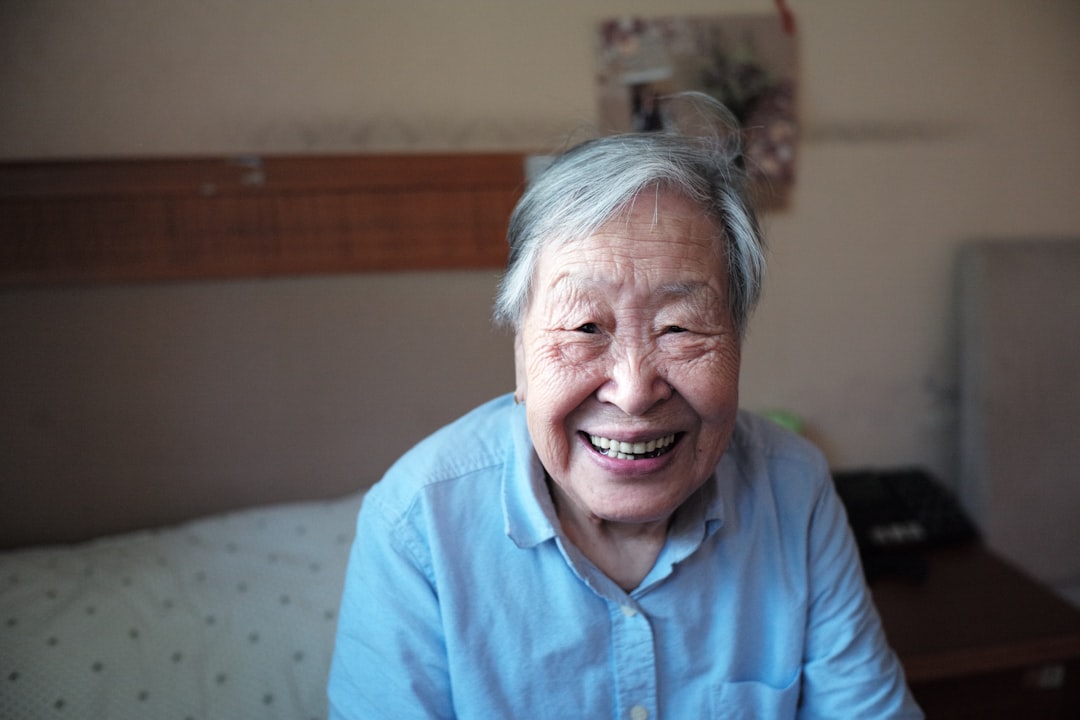
The Home Nursing Landscape Has Shifted Dramatically in 2026
If you last looked into home nursing Singapore 2026 options back in 2024, prepare for some pleasant surprises. The eldercare sector has undergone major transformations, from enhanced government subsidies to digital-first booking platforms that have made quality nursing care more accessible and affordable for Singaporean families.
Here's what you need to know about the changes that are reshaping how we care for our elderly loved ones at home.
Government Subsidies Have Expanded Significantly
The biggest game-changer? MOH rolled out the Enhanced Home Care Support Scheme in January 2026, dramatically increasing subsidies for qualifying households.
| Household Income | 2024-2025 Subsidy | 2026 Subsidy | Your Savings |
|---|---|---|---|
| Below $2,000 | Up to 75% | Up to 90% | $150-300/month |
| $2,001 - $4,000 | Up to 60% | Up to 80% | $200-400/month |
| $4,001 - $6,000 | Up to 40% | Up to 65% | $250-500/month |
| Above $6,000 | Up to 20% | Up to 40% | $300-600/month |
The bottom line: families across all income brackets are saving significantly more on home nursing services. A typical nursing visit that cost $80-120 out-of-pocket in 2025 now ranges from $40-80 for most households.
What's Driving These Changes?
Singapore's rapidly ageing population created urgent pressure on hospital capacity. By shifting quality care to homes, the government reduces healthcare system strain while improving patient outcomes. It's a win-win that explains why subsidies have been so generous.
Digital Platforms Are Revolutionising Service Access
Remember the days of calling multiple agencies and waiting weeks for callbacks? Those are largely over. Three major digital platforms launched in 2025-2026, transforming how families find and book home nursing services.
The CareConnect Singapore app, launched by a local startup in partnership with several established nursing agencies, now handles over 40% of home nursing bookings island-wide. Here's what's changed:
- Real-time availability: See which nurses are free today, tomorrow, or next week
- Transparent pricing: Upfront costs including post-subsidy amounts
- Digital health records: Seamless information sharing between nurses and family members
- Emergency booking: Get a nurse within 2-4 hours for urgent situations
The result? Average booking time has dropped from 5-7 days in 2024 to 1-2 days in 2026. For established patients, same-day service is increasingly common.
Pricing Has Become More Competitive and Transparent
With increased competition and digital transparency, home nursing rates have stabilised and even decreased in some categories. Here's the current pricing breakdown:
| Service Type | 2024-2025 Rate | 2026 Rate | Duration |
|---|---|---|---|
| Basic nursing visit | $80-120 | $70-100 | 1-1.5 hours |
| Wound care specialist | $120-180 | $100-150 | 1-2 hours |
| Physiotherapy session | $100-150 | $85-130 | 45-60 mins |
| 24-hour live-in care | $250-400 | $220-350 | Per day |
| Medication management | $60-90 | $50-80 | 30-45 mins |
Note: Rates shown are pre-subsidy. Actual out-of-pocket costs vary significantly based on household income and subsidy eligibility.
What's Behind the Price Improvements?
Several factors have converged to make home nursing more affordable:
- Increased nurse supply: New training programmes graduated 2,000+ additional home care nurses in 2025
- Operational efficiency: Digital platforms reduced administrative costs for agencies
- Competition: More players in the market, including several Malaysian agencies setting up Singapore operations
- Government incentives: Agencies receive additional support for serving heartland areas
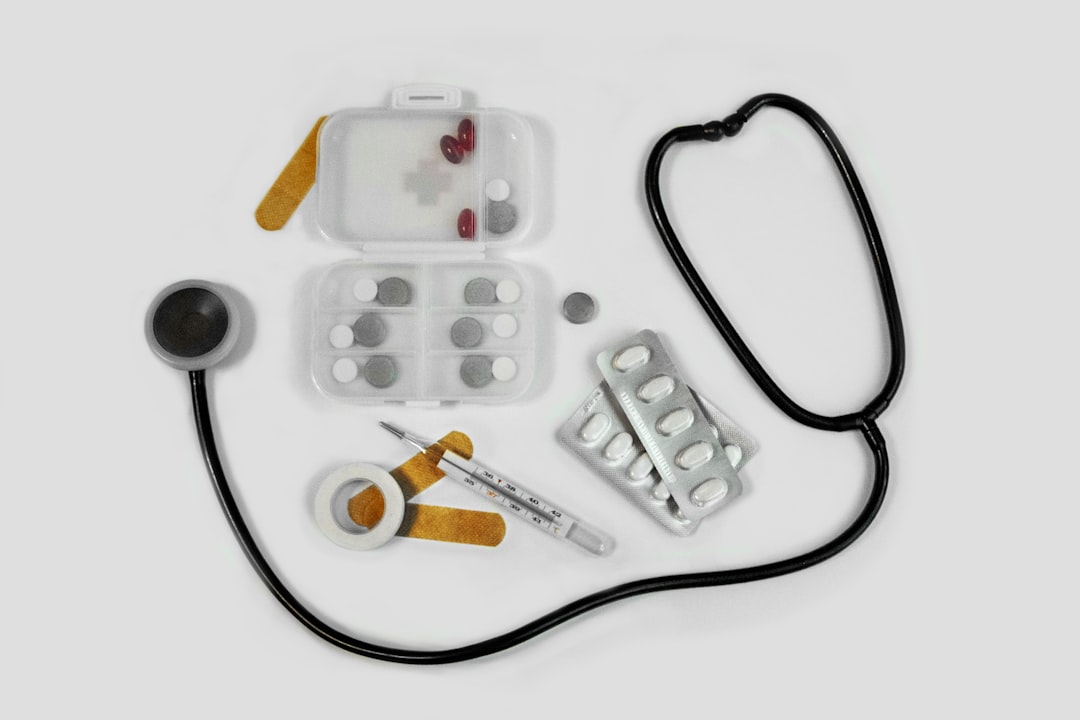
New Service Models Are Emerging
The traditional 'nurse visits when needed' model is evolving. Three new approaches are gaining traction:
Subscription-Based Care Plans
Popular with families managing chronic conditions, these plans offer:
- Fixed monthly fees ($150-300 after subsidies)
- Unlimited basic consultations
- Priority booking for urgent care
- Monthly health reports sent to family members
Telehealth-Assisted Nursing
Nurses now arrive equipped with tablets that connect directly to specialists at SGH, NUH, and other major hospitals. This means complex medical decisions can be made during home visits, reducing unnecessary hospital trips.
Neighbourhood Care Hubs
Small nursing stations are opening in heartland malls across Singapore. These aren't full clinics but rather coordination centres where families can meet nurses, pick up medical supplies, and attend care coordination sessions. Current locations include Toa Payoh Hub, Jurong Point, and Bedok Mall.
Quality Standards Have Improved Dramatically
MOH introduced mandatory certification for all home nursing providers in early 2026. The new standards cover:
- Minimum 240 hours specialized training for home care nurses
- Digital health record keeping requirements
- Family communication protocols
- Emergency response procedures
The practical impact? More consistent, professional service across all providers. Gone are the days of wildly variable care quality depending on which agency you chose.
What Challenges Remain?
Despite these improvements, some pain points persist:
- Language barriers: While most nurses speak English and Mandarin, finding Dialect-speaking nurses (Hokkien, Teochew, Cantonese) remains challenging
- Weekend availability: Weekend and public holiday rates still carry 30-50% premiums
- Transportation costs: Some agencies charge additional fees for visits to outlying areas like Punggol or Jurong West
- Insurance gaps: Not all insurance policies have caught up with expanded home nursing options
Looking Ahead: What to Expect in Late 2026 and Beyond
Several developments are already in the pipeline:
AI-Powered Care Matching: By Q4 2026, expect platforms to automatically match patients with nurses based on medical conditions, language preferences, and personality fit.
Integrated Insurance: Major insurers are developing home care packages that bundle nursing services with existing health coverage.
Expanded Scope of Practice: Regulations are being reviewed to allow specially trained nurses to perform more procedures at home, potentially including minor wound stitching and IV therapy.

How to Choose the Right Provider in 2026
With so many options now available, here's a practical approach:
- Start with subsidy verification: Confirm your household's eligibility and subsidy rate
- Compare digital platforms: Test 2-3 booking systems to see which feels most user-friendly
- Read recent reviews: Services have changed rapidly; focus on reviews from 2025-2026
- Ask about emergency protocols: How quickly can they respond if your loved one's condition suddenly changes?
- Verify insurance acceptance: Ensure the provider can direct-bill your insurance company
The transformation of home nursing services in Singapore represents one of the healthcare sector's biggest success stories. Families now have access to more affordable, higher-quality, and more convenient care options than ever before.
Ready to explore your options? Get free quotes from verified home nursing providers on KakiList and see how much you could save with the new 2026 subsidies and competitive pricing.
Need help finding the right provider?
Get free, no-obligation quotes from verified home nursing providers in Singapore.
Get Free Quotes →