Home Nursing In Singapore: A First-Timer's Guide 2026
22 Sep 2026 · 7 min read · Home Nursing
So your grandma just got discharged from Tan Tock Seng after her fall, and the doctor casually drops the bomb: "she'll need some home nursing care." You nod like you understand, then immediately Google it in the taxi home. Sound familiar?
Don't worry lah, you're not alone. Most Singaporeans only find out what home nursing actually involves when a family member suddenly needs it — usually after a hospital stay, a diagnosis, or when mobility starts going downhill. This guide breaks down everything a first-timer needs to know, no jargon left unexplained.
1. What Exactly Is Home Nursing?
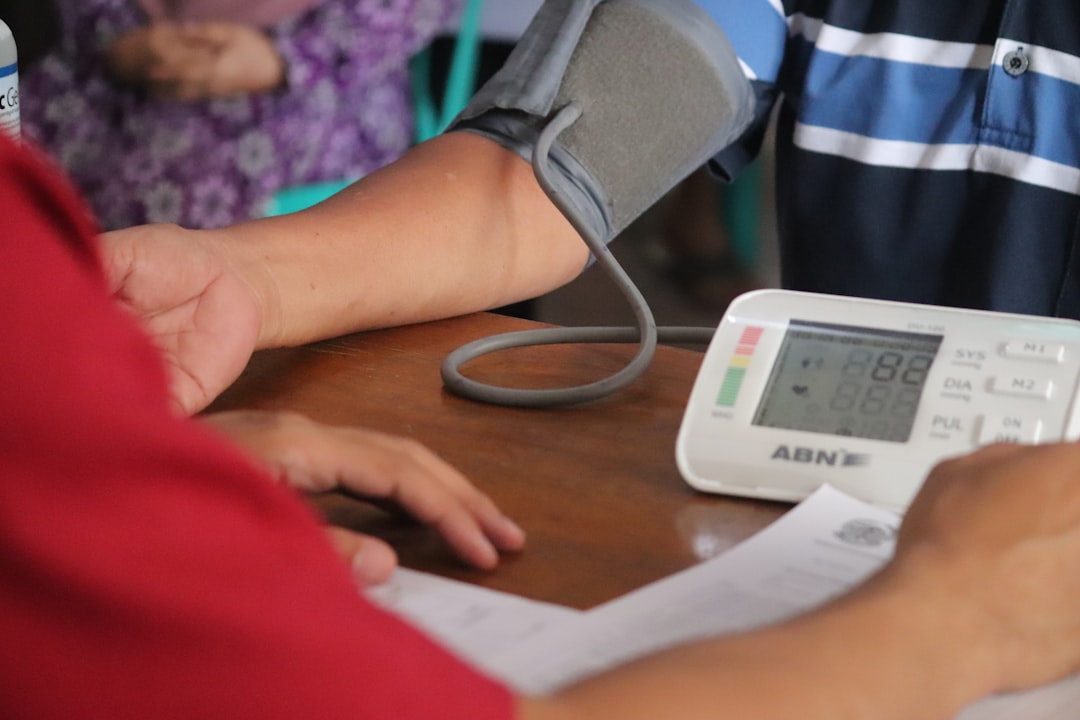
Home nursing means a trained, registered nurse comes to your house to provide medical care — the kind you'd normally get in a hospital or clinic, but in the comfort of your own HDB or condo. This is different from a general caregiver or domestic helper, who can help with daily tasks but isn't licensed to do clinical procedures.
Typical services include:
- Wound dressing and care (post-surgery, pressure sores, diabetic ulcers)
- Tube feeding management (NG tube, PEG tube)
- Catheter care and changes
- Injections (insulin, B12, other medications)
- Vital signs monitoring — blood pressure, blood sugar, oxygen levels
- Post-hospital discharge care and recovery monitoring
- Palliative and terminal care support
- Verify identity and check the care plan against the doctor's instructions
- Take baseline vitals (BP, temperature, blood sugar if relevant)
- Perform the required procedure (dressing change, injection, etc.)
- Update a care log or app that family members can usually access
- Flag any concerns — e.g. wound not healing well, signs of infection
- NG Tube – Nasogastric tube, used for feeding through the nose when someone can't swallow safely
- PEG Tube – A feeding tube inserted directly into the stomach, for longer-term feeding needs
- Palliative Care – Comfort-focused care for serious or terminal illness, not necessarily end-of-life only
- Vitals – Blood pressure, pulse, temperature, oxygen saturation — the basic health check numbers
- Care Plan – The documented schedule of what care is needed, how often, and by whom
- Live-in Nurse – A nurse who stays at the home full-time, usually for high-dependency cases
- The nurse arrives on time (or calls ahead if delayed — no ghosting)
- They explain what they're doing in plain English, not medical mumbo-jumbo
- There's a clear written care plan you can refer to
- Billing is transparent — no vague
Image credit: Zhen Yao / Unsplash
If you're just looking for someone to help mum shower or accompany dad to the market, that's more of a caregiver or befriender role — not home nursing. Get the right service so you're not paying nursing rates for non-clinical help.
2. How The Whole Process Works (Step-By-Step)
Step 1: Figure out what care is actually needed
Before calling anyone, get the discharge summary or a note from the doctor. This tells the nursing agency exactly what's required — wound care frequency, medication schedule, mobility level, etc. Skipping this step is the #1 rookie mistake; agencies can't quote properly without it.
Step 2: Get quotes from a few agencies
Don't just engage the first name your neighbour recommends. Rates, nurse experience, and availability vary a lot between providers. This is where Get free quotes from verified providers on KakiList comes in handy — you describe the case once and compare multiple quotes instead of cold-calling five agencies separately.
Step 3: Assessment visit
Most reputable agencies send a nurse or coordinator for an initial home assessment. They'll check the home layout (can a wheelchair fit through the corridor?), the patient's condition, and confirm the care plan and schedule.
Step 4: Nurse gets assigned and visits begin
Depending on the case, visits can range from once a week (simple wound checks) to daily or even live-in arrangements for more intensive needs.
3. What Happens On The Actual Day
First visit is usually the longest — expect 45 minutes to an hour. The nurse will:
Subsequent visits are usually shorter, around 20-30 minutes, unless there's a complication. Pro tip: keep a simple folder at home with all medications, past prescriptions, and allergy info — makes every visit smoother and saves you from repeating grandma's medical history for the fifth time.

4. How Much Does Home Nursing Cost In Singapore?
Prices vary depending on procedure complexity, visit duration, and whether it's a one-off or recurring arrangement. Here's a rough guide as of 2026:
| Service Type | Typical Cost (SGD) |
|---|---|
| Basic wound dressing / vitals check (per visit) | $60 – $120 |
| Injection administration (per visit) | $50 – $90 |
| Tube feeding / catheter care (per visit) | $80 – $150 |
| Post-discharge recovery package (weekly) | $400 – $900 |
| Live-in private nurse (monthly) | $4,500 – $8,000+ |
Night visits, public holidays, and last-minute bookings usually cost more — some agencies charge 1.5x on Sundays and PH. Always ask for a full breakdown before committing so there's no jialat surprise bill later.
Subsidy tip: If your loved one is on the Find Home Nursing providers under Agency for Integrated Care (AIC) referrals, you may qualify for Interim Disability Assistance Programme for the Elderly (IDAPE) or other subsidies that offset a chunk of the cost. Always check eligibility before assuming you have to pay full price.
5. Common Jargon, Decoded
6. What A Good First Experience Should Look Like
You'll know you picked a solid provider if:
Need help finding the right provider?
Get free, no-obligation quotes from verified home nursing providers in Singapore.
Get Free Quotes →