Interior Design in Singapore: An Expat's No-Nonsense Guide
So you've just landed in Singapore, finally found a place to rent (or bought that dream condo near Orchard), and now you're staring at bare walls wondering how everyone's Instagram-worthy HDB flats look so good. Welcome to the wonderful, slightly confusing world of interior design in Singapore — where the rules, costs, and timelines are probably nothing like back home.
Whether you're from the UK, Australia, India, or the US, renovating or decorating here comes with its own set of acronyms, red tape, and unspoken rules. This guide breaks it all down so you don't end up jialat (that's Singlish for 'in trouble', FYI) halfway through your reno.
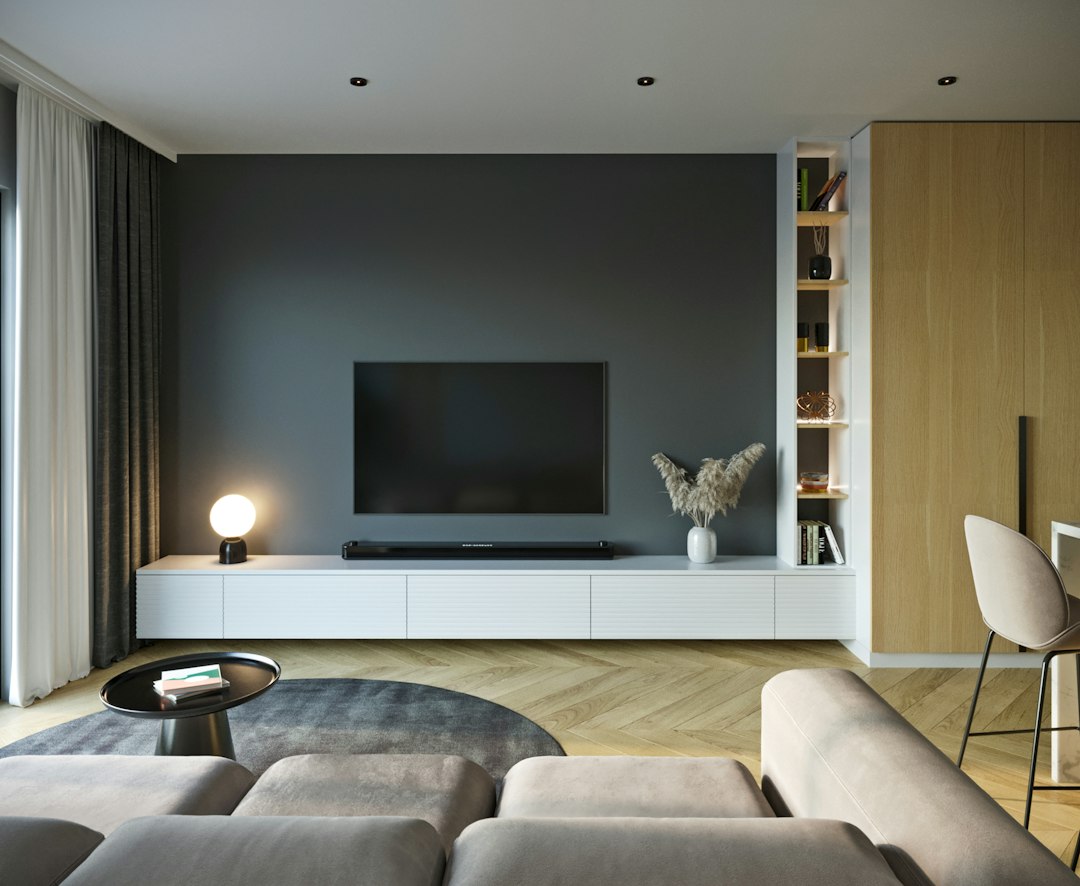
1. Renting vs Owning Changes Everything
First things first — your interior design journey depends heavily on whether you're renting or you've bought property.
- Renting a condo: Most landlords here are pretty strict about structural changes. You usually can't knock down walls, repaint without permission, or install built-in wardrobes unless it's in your tenancy agreement. Most expats go for light-touch styling — furniture, curtains, lighting, and removable fixtures.
- Buying an HDB flat: If you're a Permanent Resident (PR) who's bought a resale HDB, or you're married to a Singaporean/PR, you'll deal with HDB's renovation guidelines directly — and they're strict (more on that below).
- Buying a condo: Foreigners can buy condos freely (landed property needs special approval), and you'll have more renovation freedom, subject to the Management Corporation Strata Title (MCST) rules.
TL;DR: know your lease or ownership status before you even start Pinterest-boarding your dream kitchen.
2. The Acronym Soup You'll Need to Know
Singapore loves acronyms. Here's your cheat sheet:
| Acronym | What It Means | Why It Matters For Reno |
|---|---|---|
| HDB | Housing & Development Board — builds/manages public housing | Sets strict rules on what you can renovate in a flat |
| MCST | Management Corporation Strata Title | Governs renovation rules in private condos |
| BTO | Build-To-Order — new HDB flats bought from HDB directly | Comes bare with minimal fittings — expect a bigger reno budget |
| MOM | Ministry of Manpower | Regulates work permits for foreign renovation/construction workers |
| CPF | Central Provident Fund — Singapore's mandatory savings scheme | Only Singaporeans/PRs can use CPF funds for home renovation loans |
| Levy | A fee employers pay MOM for hiring foreign workers | Factored into labour costs for construction-heavy renovations |
Unless you're a PR, CPF doesn't apply to you — so renovation financing will come from personal savings, a bank renovation loan, or your home-country funds.
3. How Much Does Interior Design Actually Cost Here?
Brace yourself — Singapore's interior design costs can feel steep compared to places like Kuala Lumpur or even parts of the US, mainly due to land scarcity and labour costs (hello, foreign worker levy).
- Consultation & design fee only: SGD 1,500–5,000, depending on the designer's experience and your unit size
- Full HDB 4-room reno (design + works): SGD 35,000–60,000
- Condo renovation (3-bedroom): SGD 50,000–100,000+, especially if you're doing full carpentry and custom fittings
- Light styling (furniture, curtains, lighting only): SGD 5,000–15,000
Pro tip: get at least 3 quotes before committing. Prices between firms can vary by 30-40% for near-identical scope, and as a newcomer, you're an easier target for inflated quotes if you don't know the local benchmark.
4. Timelines Are Longer Than You Think
Back home, a kitchen reno might take 2-3 weeks. In Singapore, factor in:
- 3-5 weeks for design consultation and material selection
- 8-12 weeks for actual renovation works (HDB flats have restricted working hours — usually 9am-6pm, no work on Sundays/Public Holidays)
- Extra time if you're waiting on imported materials or custom furniture
If you're on an Employment Pass and your company is footing a relocation deadline, build in buffer time. Things move slower here than the efficient MRT system might suggest.
5. Common Pitfalls Newcomers Face
Not Checking HDB/MCST Rules First
Many expats dive straight into design without checking what's actually allowed. HDB, for instance, bans hacking load-bearing walls and requires permits for even minor works like flooring changes. Always confirm with your designer that they'll handle the permit applications — reputable ones will.
Assuming All Designers Are Licensed The Same Way
Unlike some countries, Singapore doesn't require interior designers to hold a government license — anyone can call themselves one. Instead, look for firms accredited by CaseTrust or members of the Interior Design Confederation Singapore (IDCS). This is your safeguard against fly-by-night contractors who disappear mid-project (sadly, it happens).
Underestimating the Humidity Factor
Singapore's tropical climate means certain materials (like untreated wood) warp or mold faster than in temperate countries. A good designer will recommend moisture-resistant materials — ask about this specifically if you're used to four-season climates.
Forgetting About the Foreign Worker Levy Impact
Labour-intensive customisations (like extensive carpentry or marble work) cost more partly because of the levy employers pay for foreign construction workers. This isn't negotiable — it's baked into your quote.
6. Expat-Popular Neighbourhoods & What They Mean For Design
- Holland Village & Tanglin: Older condos, often need updated wiring and layouts — popular with Western expat families
- Orchard & River Valley: High-end condos, smaller footprints, designers here specialise in space-maximising built-ins
- Bukit Timah & Novena: Larger units and landed homes (if approved for foreign ownership), more design freedom
- Punggol & Sengkang: Newer BTOs popular with expats who've married locally — modern layouts but still need HDB approval for changes
Each area has designers who specialise in its specific building quirks, so it's worth asking if they've worked in your neighbourhood before.
7. Final Pro Tips Before You Sign Anything
- Always get a detailed itemised quote — vague lump sums are a red flag
- Ask about warranty periods (industry standard is 1 year for workmanship)
- Clarify who handles HDB/MCST permit submissions
- Request to see past projects in similar unit types, not just glossy show flats
Navigating interior design as a newcomer doesn't have to be overwhelming once you understand the system. Find Interior Design providers who are experienced working with expats and understand both HDB and condo regulations.
TL;DR
Renovating in Singapore as an expat means understanding your lease/ownership status, budgeting SGD 35k-100k+ depending on scope, building in extra time for permits and approvals, and choosing accredited designers who know their way around HDB and MCST rules. Get it right, and you'll have a shiok new home to show off at your next housewarming.
Ready to start your renovation journey? Get free quotes from verified providers on KakiList and compare options before committing to any contract.

Need help finding the right provider?
Get free, no-obligation quotes from verified interior design providers in Singapore.
Get Free Quotes →