Meal Delivery for Seniors in Singapore: A First-Timer's Guide

What Exactly Is Meal Delivery for Seniors?
If your mak or pa is staying alone in a BTO in Sengkang while you're stuck at work in Raffles Place, meal delivery for seniors solves a very specific problem: making sure they eat properly without you having to cook, pack, and drive over every single day.
Unlike your typical GrabFood or foodpanda order, senior meal delivery services are built differently. We're talking about low-sodium, soft-textured, dietician-approved meals delivered on a fixed schedule (usually daily or every alternate day), often with options for diabetic, renal, or post-surgery diets. Some providers even call or text a family member if the elderly person doesn't open the door to collect their food — a small but important safety check-in that regular food delivery apps simply don't offer.
This guide is for the complete first-timer — someone who's never arranged this before and doesn't know where to start. Here's what you need to know.
How the Process Actually Works, Step by Step
Setting this up is less complicated than renewing your car insurance, but there are a few steps worth understanding before you commit.
- Step 1 — Assessment call or form. Most providers ask basic health questions: any swallowing difficulties, allergies, diabetes, kidney issues, religious dietary needs (halal, vegetarian), and whether meals need to be soft, minced, or pureed.
- Step 2 — Choose a meal plan. You'll pick frequency (once or twice daily), number of days a week, and portion type. Some providers offer lunch-only, lunch-and-dinner, or full-day (breakfast, lunch, dinner) plans.
- Step 3 — Confirm delivery address and access. If your parents stay in an HDB flat without a lift landing on their floor, or there's a gate code, flag this upfront — delivery riders in Singapore deal with enough lift lobby confusion as it is.
- Step 4 — Payment and billing cycle. Most services bill weekly or monthly. Some accept CDC vouchers or can be subsidised through Community Care schemes if your elderly parent qualifies — more on this below.
- Step 5 — First delivery and feedback loop. Most reputable providers will call within the first week to check if your parent is actually eating the food (not just leaving it in the fridge) and adjust portion size or spice level accordingly.
What to Expect on Delivery Day
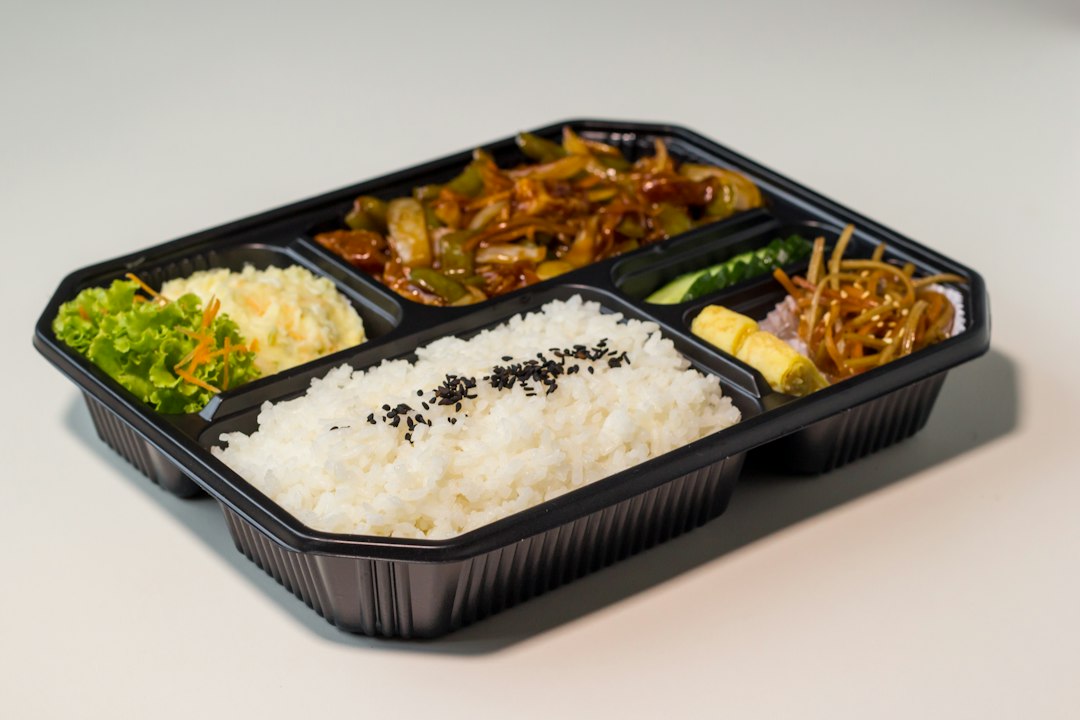
Meals typically arrive in insulated bags or boxes between 10:30am and 1pm for lunch, and 4pm to 6:30pm for dinner — timed so the food is still reasonably warm, though don't expect piping-hot zi char standards. Containers are usually microwave-safe plastic or compostable packaging, portioned into compartments (think disposable tingkat-style trays).
Riders are briefed to hand the meal directly to the senior where possible, not just leave it outside the gate — this is the "proof of life" check many families specifically pay for. If nobody answers after a few attempts, most providers will notify you (the registered next-of-kin) via SMS or app notification within the hour, not days later.
First meal usually arrives within 24 to 72 hours of signing up, depending on whether the provider needs to prep a customised dietary plan or is just slotting your parent into an existing rotational menu.
Typical SGD Costs in 2026
Pricing varies quite a bit depending on meal customisation, delivery frequency, and whether it's a commercial provider or a subsidised community programme. Here's a realistic breakdown:
| Service Type | Cost Per Meal | Monthly Cost (1 meal/day) | Notes |
|---|---|---|---|
| Subsidised community meal programmes (e.g. via Silver Generation, VWOs) | $0 – $3 | $0 – $90 | Means-tested; income and citizenship criteria apply |
| Standard commercial senior meal delivery | $5 – $8 | $150 – $240 | Fixed rotating menu, lunch or dinner |
| Customised diet plans (diabetic/renal/soft food) | $7 – $12 | $210 – $360 | Includes dietician consultation in some packages |
| Premium/private concierge meal services | $10 – $18 | $300 – $540 | Higher quality ingredients, more variety, faster support response |
Budget tip: If your parent lives alone and qualifies for government support, check eligibility for subsidised meal delivery under community care schemes before paying full commercial rates — the savings can be significant, easily $100+ a month. Many heartland Family Service Centres near places like Toa Payoh, Bedok, and Yishun can point you in the right direction even if you're not sure what you qualify for.
Common Jargon Explained
- Texture-modified meals: Food that's minced, soft, or pureed for seniors with chewing or swallowing difficulties (dysphagia).
- Low-GI meals: Lower glycaemic index meals suited for diabetics, designed to avoid blood sugar spikes.
- Welfare check / safety call: A courtesy call or doorbell check to confirm the senior is home and well when collecting their meal.
- Rotational menu: A pre-set weekly menu cycle (e.g. 2-week or 4-week rotation) rather than daily à la carte choices.
- VWO: Voluntary Welfare Organisation — many run subsidised eldercare meal programmes in Singapore.
What a Good First Experience Looks Like
You'll know you picked a solid provider if: the onboarding call actually asks detailed health questions (not just "any allergies, ok bye"), the first few meals arrive on time within the promised window, portion sizes look appropriate (not those sad shoebox-sized servings), and — most importantly — someone actually follows up to ask if your parent liked the food or had trouble opening the packaging (arthritis is real, and flimsy packaging is a genuine pain point for many elderly users).
A red flag worth watching for: zero communication if a delivery is missed, or no clear way to pause the service when your parent is warded in hospital or travelling to stay with relatives in Johor for a bit.
The Bottom Line
Meal delivery for seniors isn't just about convenience — done right, it's a daily safety net and nutrition check for elderly parents living alone across Singapore's heartlands. Start with an honest assessment of dietary needs, compare at least two or three providers' pricing and welfare-check policies, and don't be shy about asking if subsidies apply. Find Meal Delivery for Seniors providers who fit your parent's specific health needs and your family's budget.
Ready to compare options without the endless Googling? Get free quotes from verified providers on KakiList.
Need help finding the right provider?
Get free, no-obligation quotes from verified meal delivery for seniors providers in Singapore.
Get Free Quotes →