Nursing Homes in Singapore: What's Changed in 2026
TL;DR: Nursing homes in Singapore are costlier, more regulated and more tech-enabled than they were in 2024. Subsidies have also shifted, and the shift to ageing-in-place is changing who actually needs a bed. Here's the rundown, so you won't get caught off guard.
If you last looked at nursing homes when your ah gong was discharged from hospital back in 2024, ICYMI: quite a lot has moved. Fees, rules, waiting lists and even the type of care on offer. Let's go through it, one change at a time.
Note: Figures below are indicative ranges based on published trends and provider quotes. Always confirm current rates and subsidy eligibility with MOH, AIC and the homes directly.

1. Fees Have Crept Up (Yes, Again)
Nobody is shocked, but the numbers still sting. Manpower costs are the main culprit. Nurses and care staff are in short supply, and homes have had to raise wages to keep people.
| Type of home | 2024/2025 (per month) | 2026 (per month) |
|---|---|---|
| Subsidised VWO home (after subsidy) | S$600 – S$2,000 | S$650 – S$2,200 |
| Non-subsidised VWO home | S$2,200 – S$3,500 | S$2,400 – S$3,800 |
| Private nursing home | S$3,000 – S$5,500 | S$3,300 – S$6,200 |
| Dementia or high-dependency care | S$3,800 – S$6,500 | S$4,200 – S$7,200 |
What's driving it: Higher wages, more stringent staffing requirements, and costlier consumables such as diapers, feeds and medical supplies.
What it means for you: Budget about 8-12% more than the quotes you collected two years ago. If your estimate is stale, it's time to refresh it.
2. The Rulebook Is Tighter Under the Healthcare Services Act
Nursing homes used to fall under the Private Hospitals and Medical Clinics Act. They are now regulated under the Healthcare Services Act (HCSA), which puts every licensed provider under one framework. By 2026, the transition is no longer news. It is how things work.
- Clearer service-level requirements: Homes must have named clinical governance officers and documented care protocols.
- More emphasis on incident reporting: Falls, pressure injuries and medication errors are meant to be tracked and acted on.
- Licence conditions tied to what the home actually offers: A home that markets dementia care should be able to show the staffing and design to back it up.
Pro tip: Ask any home to explain its licence and the services it's licensed to provide. A good one answers confidently. A shy one is a red flag.
3. More Beds, Mostly in the Heartlands
The supply crunch is easing a little, but not everywhere. MOH has been steadily growing capacity through new builds and new nursing home sites in newer estates such as Tengah and Punggol, alongside existing homes in the mature towns like Bedok, Toa Payoh and Jurong.
What's driving it: Our population is ageing fast, with the first baby boomers now reaching their 60s and beyond. Planners are building ahead of the curve.
What it means for you: Waiting times for subsidised beds near home are shorter in some areas, but popular homes in mature estates are still jialat to get into. Apply to several homes at once and keep your hospital medical social worker in the loop.
Image credit: Unsplash
4. Fewer "Default" Admissions, More Ageing-in-Place
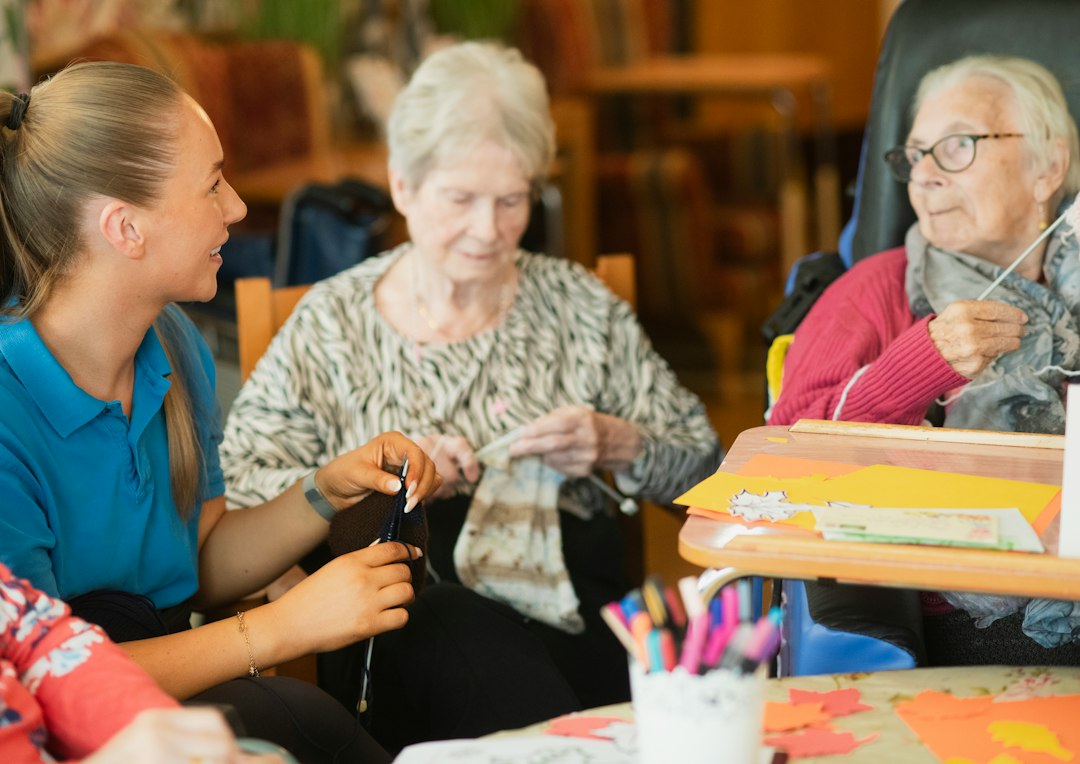
This is the big mindset shift. Under Age Well SG, the push is to help seniors live well in their own neighbourhoods for as long as possible. That means Active Ageing Centres, home care, day care and more senior-friendly housing options.
Nursing homes are increasingly meant for those with higher care needs, such as bedbound seniors, advanced dementia, or complex wound and tube-feeding care. Seniors who just need some help with daily tasks may be pointed to other options first.
- Home personal care and nursing: Increasingly the first step.
- Day care and rehab centres: Handy if you work but your parent can't be alone.
- Nursing home: Best when 24/7 care is genuinely needed.
5. Subsidies Are Still There, But Know Your Layers
The means-tested subsidy system is still the backbone. The amount depends on your household's per-capita income, and the process is assessed through MOH and AIC. On top of that, MediShield Life, CareShield Life or ElderShield payouts (depending on your cohort), MediSave use for eligible care needs, and ElderFund for those in need can all take a bite out of the bill.
What changed: Support has been raised over the past couple of years in response to rising costs, but the increases haven't kept pace with every fee hike. Many families still find the out-of-pocket gap bigger than expected, especially at private homes.
Pro tip: Ask the home for an itemised bill. Diapers, therapy, special diets and transport to appointments are often charged separately.
6. Tech Is Quietly Everywhere
This isn't sci-fi robots (yet). It's practical stuff that helps stretched staff:
- Digital care records and family update apps, so you can check in without calling the nursing counter.
- Fall-detection sensors and bed alarms.
- Telehealth consults with doctors, which reduce unnecessary hospital trips.
- Tablet-based activity and rehab programmes.
It's shiok for families who can't visit daily, but tech doesn't replace human care. When you tour, watch how staff interact with residents, not just how nice the dashboard looks.
7. Dementia-Friendly Design Is a Selling Point
With dementia cases rising, newer and refurbished homes are building for it: clear signage, secure garden areas, memory corners, and quieter spaces. Some private operators market this heavily, so check that the staff training is real too.
How to Choose a Nursing Home in 2026: A Quick Checklist
- Visit twice, once scheduled and once at a different time of day if allowed.
- Ask about staff-to-resident ratios, including nights and weekends.
- Check the location. A home near an MRT station or bus stop means visits actually happen.
- Get fees in writing, with all extras listed.
- Ask about hospital links and what happens in an emergency.
- Talk to other families if you can. They'll tell you what the brochure won't.
What to Expect Next
- Fees will keep rising gradually. Manpower remains the biggest cost, so plan for yearly increments of a few percent.
- More integrated care models. Expect nursing homes to be co-located or linked with community care services and Active Ageing Centres.
- Higher bar on quality. Under HCSA, expect more focus on outcomes and transparency from providers.
- Greater need for early planning. Families who talk about care preferences and finances early will have an easier time than those who wait for a crisis.
The bottom line: nursing homes in Singapore are more regulated and more specialised than before, but also pricier. The kiasu move is to start comparing early, long before a hospital discharge forces a rushed decision.
Not sure where to start? Find Nursing Homes providers on KakiList to compare options by location and care type.
Get free quotes from verified providers on KakiList and see what the real 2026 prices look like for your family.
Need help finding the right provider?
Get free, no-obligation quotes from verified nursing homes providers in Singapore.
Get Free Quotes →