8 Pest Control Mistakes Expats Make in Singapore Homes
Welcome to Singapore! Between the hot weather, the humidity and the lush greenery, this island is a wonderful place to live. It is also a paradise for cockroaches, ants, mosquitoes and termites. If you are coming from London, Sydney, Toronto or even Seoul, you may be used to a quiet winter when bugs disappear. Here, there is no off-season.
The good news is that pests are very manageable once you know the local rules of the game. Below are the eight mistakes we see newcomers make most often with pest control in Singapore, and what to do instead.
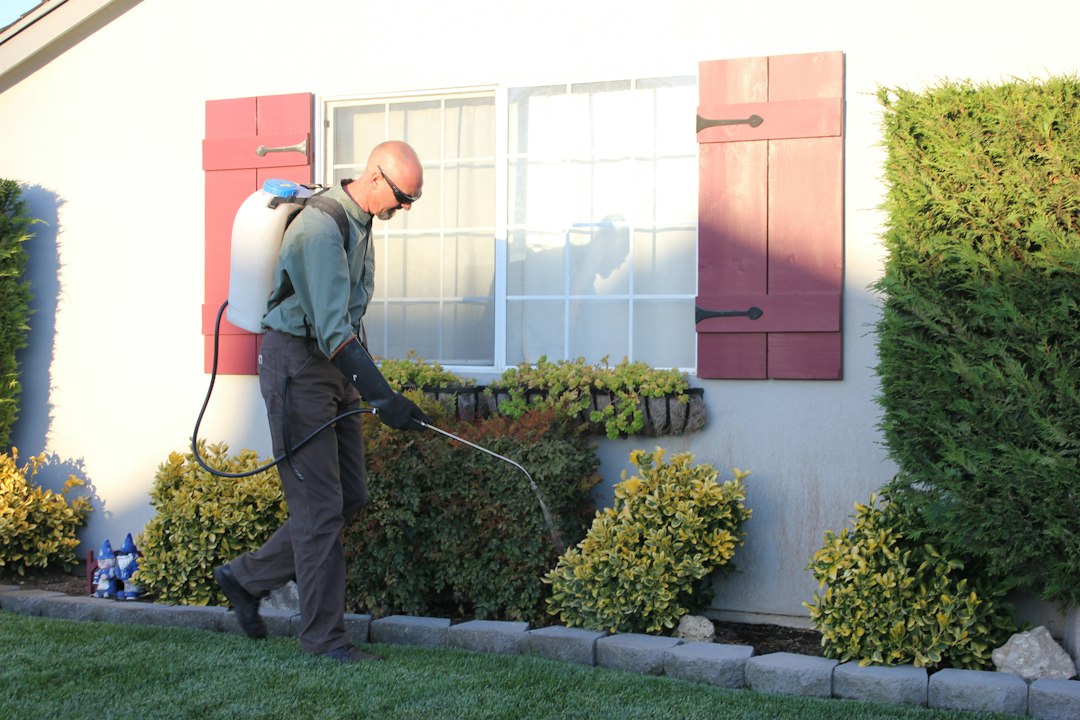
1. Assuming Pests Go Away in 'Cooler' Months
The mistake: Treating pests as a seasonal problem, like in temperate countries.
Why it hurts: Singapore sits near the equator, with temperatures around 25-34°C all year and humidity that rarely drops below 70%. Cockroaches breed continuously, and the monsoon rains (typically November to January, so right now!) push roaches, ants and even rodents indoors looking for dry shelter.
Do this instead: Think of pest prevention as year-round maintenance, like aircon servicing. Many households book a preventive visit every 3 to 6 months rather than waiting for a crisis.
2. Ignoring Tiny Pools of Water (and the Fine That Follows)
The mistake: Leaving water in plant trays, vases, pail buckets or the aircon drip tray, thinking mosquitoes are only a garden problem.
Why it hurts: The Aedes mosquito, which spreads dengue, can breed in a bottle cap of water. The National Environment Agency (NEA) inspects homes in dengue clusters, and households found breeding mosquitoes can be fined. A dengue infection is also miserable, especially for young kids.
Do this instead:
- Weekly, flip pails, empty plant saucers and clear the gully or balcony drain.
- Add sand granules or change the water in vases every few days.
- Check your bathroom floor trap and air-con ledge too.
3. Relying on Supermarket Sprays and Bug Bombs
The mistake: Grabbing a can of insecticide from the heartland mall and spraying every time you see a roach.
Why it hurts: Sprays kill what you can see, but not the nest. Roaches hide in wall voids, behind cabinets and in pipes. Spraying can also scatter them deeper into your home, and repeated DIY use can leave residue near food prep areas and children's toys.
Do this instead: Use professional gel baiting, which targets the colony, plus sealing of entry points. A one-off general treatment for an HDB flat typically costs SGD 80-250, depending on size and pest. It is often cheaper than months of buying cans that do not solve the problem.
4. Waiting Until You See Pests in Daylight
The mistake: Brushing off the occasional roach or ant trail until they appear in numbers.
Why it hurts: Roaches are nocturnal. Seeing one during the day usually means the hiding spots are crowded. By then, you may be dealing with an established infestation, which costs more and takes multiple visits.
Do this instead: Treat early signs seriously: droppings that look like black pepper, a musty smell, egg cases, or ants returning to the same spot. Take a quick photo to show your pest controller.
5. Skipping Termite Checks, Especially After Renovation
The mistake: Thinking termites are only a problem for old landed houses or rural areas.
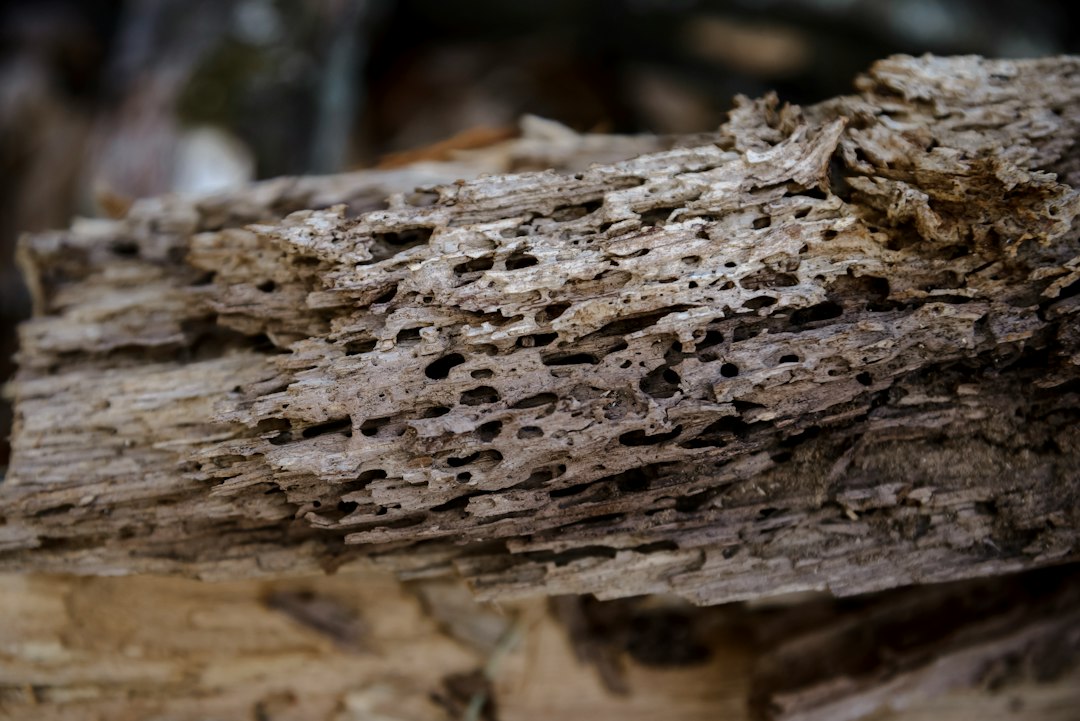
Why it hurts: Termites also affect condos and HDB flats, particularly where there is wooden flooring, built-in wardrobes, door frames or timber furniture. Damage hides behind the surface, so by the time you see bubbling paint or hollow-sounding wood, it can be extensive. Winged termites swarming around lights after rain are another warning sign.
Do this instead: Request a termite inspection before or right after renovation and ask about pre-treatment of wood fittings. Typical costs:
| Service | Typical range (SGD) |
|---|---|
| General roach or ant treatment (HDB/condo) | 80-250 |
| Rodent control (initial visit) | 150-400 |
| Termite inspection and baiting | 300-1,500+ |
| Bed bug treatment (per visit) | 200-600 |
| Mosquito misting or fogging | 100-300 |
Prices vary by home size, severity and the number of visits required. Always get a written quote.
6. Choosing the Cheapest Quote Without Checking the Details
The mistake: Picking whoever quotes SGD 50 on a chat app.
Why it hurts: Rock-bottom prices often mean diluted chemicals, rushed work, no follow-up, or a surprise add-on fee on the day. Because your home may have children, pets or an aquarium, product safety matters.
Do this instead: Ask every provider:
- What method and products will you use, and are they safe for kids and pets?
- Is there a warranty or free follow-up visit?
- What licences, certifications or insurance does the company hold?
- Is the quote all-in, with the number of visits stated?
You can browse pest control providers on KakiList and compare reviews before you commit.
7. Not Preparing Your Home for Treatment
The mistake: Leaving food on counters, fish tanks uncovered, or pets and toddlers in the room when the technician arrives.
Why it hurts: Poor preparation reduces effectiveness and can create safety risks. If cabinets are packed, technicians cannot reach the hiding spots where roaches live.
Do this instead:
- Pack away food, dishes and children's items, or seal them in containers.
- Cover fish tanks and switch off the pump if the technician advises.
- Empty under-sink cabinets so the technician can reach corners.
- Arrange for pets and young children to be elsewhere for the recommended period.
8. Forgetting Drains, Floor Traps and Shared Spaces
The mistake: Cleaning the kitchen thoroughly but ignoring floor traps (the small drain covers in bathrooms and kitchens), bin chutes and shared corridors.
Why it hurts: Roaches and drain flies travel through pipes, and a dry floor trap gives them a direct path into your flat. In HDB blocks, bin chutes and refuse areas are also hotspots. In condos, a neighbour's infestation can spread via shared walls and ducts.
Do this instead:
- Pour water into floor traps weekly, especially in rooms you rarely use.
- Bag rubbish tightly and dispose of it daily.
- Seal gaps around pipes with silicone or filler.
- If you live in a condo, report persistent issues to the management office (MCST) so common areas can be treated too.
A Quick Note for Renters
If you are renting, check your tenancy agreement. Many Singapore leases make the tenant responsible for routine pest control, while the landlord handles structural issues like pre-existing termite damage. Take photos at move-in and flag any pest signs in writing within the first week, so there is no argument later.
Your First-Month Pest Checklist
- Inspect cabinets, under sinks and behind appliances for droppings.
- Seal food in airtight containers, including pet food.
- Clear standing water weekly.
- Pour water into all floor traps.
- Book a preventive treatment, and a termite check if you have wood fittings.
Pests are part of tropical living, and even the cleanest homes in Orchard, Bukit Timah or Punggol get the occasional visitor. A consistent routine and a reliable professional will keep your home comfortable for the whole family. Ready to get started? Get free quotes from verified providers on KakiList.

Need help finding the right provider?
Get free, no-obligation quotes from verified pest control providers in Singapore.
Get Free Quotes →