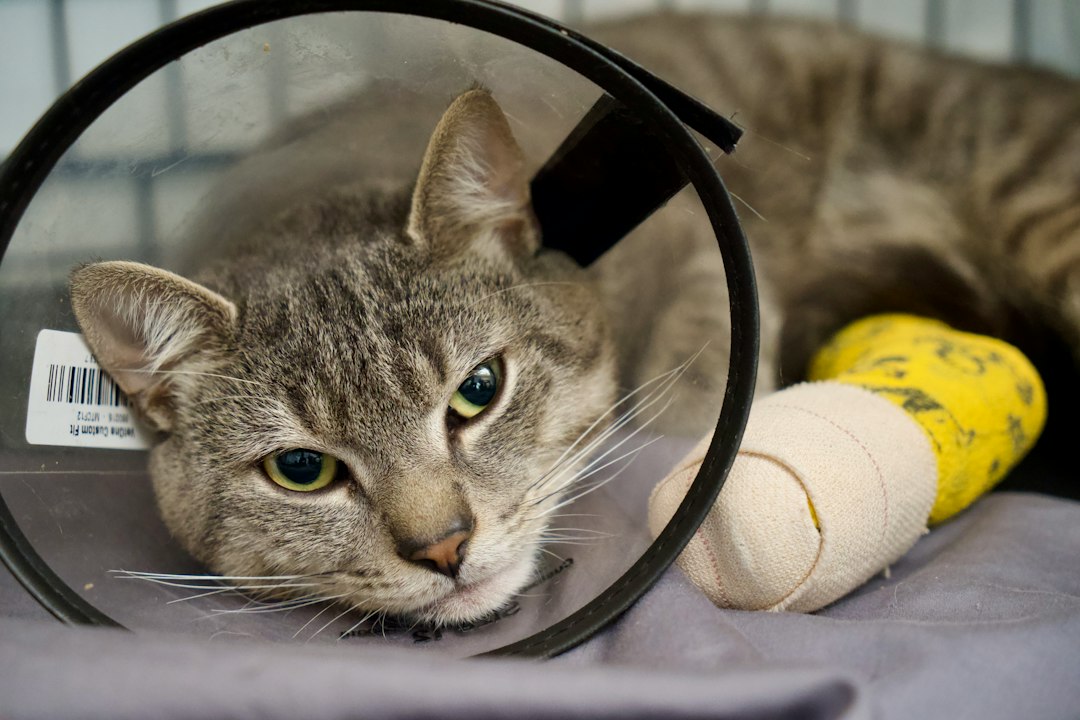
9 Pet Insurance Singapore Mistakes That Cost You Thousands
Here's the thing: a Singapore vet bill can arrive faster than your GrabFood. One weekend of vomiting, one late-night trip to an emergency clinic, and suddenly you're staring at S$1,500 on the counter. That's why pet insurance Singapore owners buy is supposed to be a safety net. But a badly chosen policy is like an umbrella with holes: looks fine until it rains.
Here's what you need to know: most claim rejections come from mistakes made before the pet ever gets sick. Let's go through the nine biggest ones.
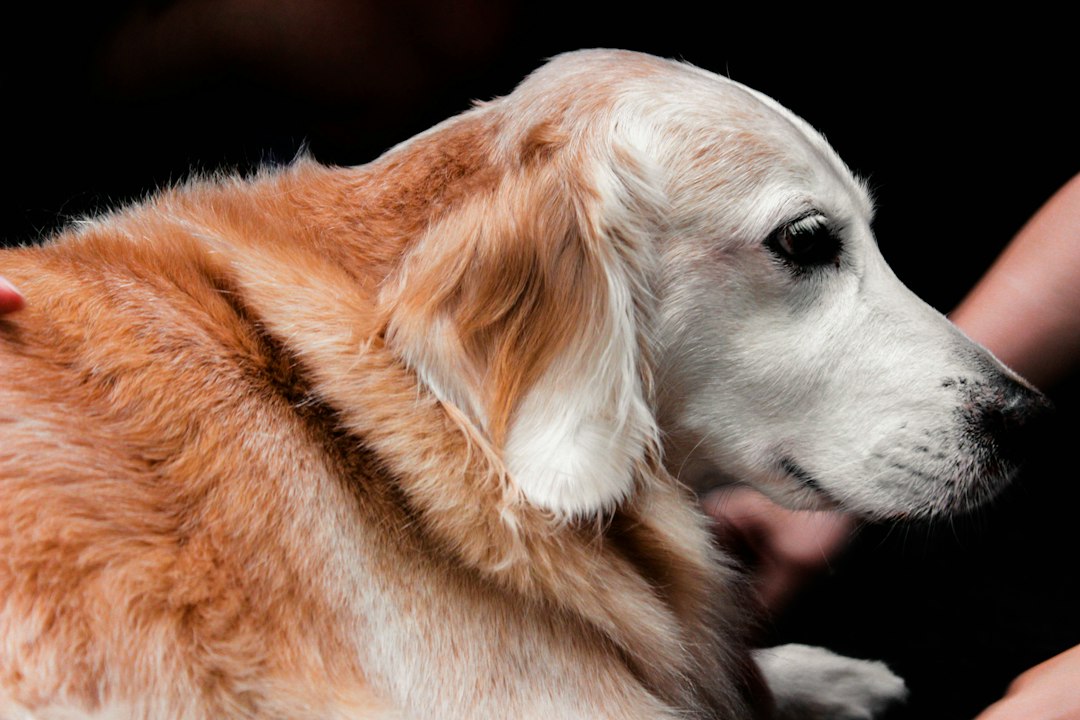
1. Waiting until your pet is old or already unwell
The mistake: Thinking, "My dog is only 6, still healthy, can wait."
Why it's bad: Premiums climb with age, and some insurers cap entry age or reduce cover for seniors. Worse, anything diagnosed before you buy becomes a pre-existing condition and is usually excluded forever. A skin allergy at age 4 can mean no cover for skin issues for life.
Do this instead: Buy while your pet is young and has a clean vet record, ideally within the first 1 to 2 years. The bottom line: you're paying for the future, not the present.
2. Choosing the cheapest premium
The mistake: Sorting by price and clicking the lowest number.
Why it's bad: A S$25-a-month plan may have a tiny annual limit, high co-payment or sub-limits that make it useless for big-ticket procedures. Cheap premiums often hide thin cover.
Do this instead: Compare what you actually get. Here are rough benchmarks for common Singapore vet costs:
| Treatment | Typical cost (SGD) |
|---|---|
| Emergency consult after hours | S$150 - S$400 |
| Overnight hospitalisation | S$800 - S$2,500 |
| Dental scaling (under anaesthesia) | S$300 - S$900 |
| Cat urinary blockage treatment | S$1,500 - S$3,000 |
| Cruciate ligament surgery (dogs) | S$4,000 - S$7,000 |
If your plan's annual limit is S$5,000, one surgery could eat it all. Check that against the table above.
3. Ignoring the fine print on exclusions
The mistake: Skimming the policy because it's 30 pages of legalese.
Why it's bad: Common exclusions include dental disease, hereditary conditions, grooming-related issues, and breed-specific problems. If you own a Pug, French Bulldog or Poodle, hereditary exclusions can matter a lot.
Do this instead: Read the exclusions page first, not the benefits page. Look specifically for hereditary and congenital conditions, dental, and behavioural treatment. Ask the agent in writing if unsure.
4. Not understanding co-payment and deductibles
The mistake: Assuming "80% reimbursement" means you pay 20% and that's that.
Why it's bad: Some plans apply a fixed excess per claim on top of the co-pay, and some apply co-pay higher for older pets. A S$2,000 bill might end up with you paying S$500 or more.
Do this instead: Do the maths with a real bill. Example: S$2,000 bill, S$100 excess, 20% co-pay. You pay S$100 + 20% of S$1,900 = S$480. Know your number before you need it.
5. Overlooking waiting periods
The mistake: Buying cover the day your pet starts limping.
Why it's bad: Many policies have a waiting period for illness (often around 14 to 30 days) and longer for certain conditions like cruciate ligament issues. Accidents may have a shorter wait. Claim during the wait and it's a flat no.
Do this instead: Buy early, and check each waiting period in the policy schedule. Don't wait until a weekend lump appears.
6. Forgetting about sub-limits
The mistake: Focusing only on the headline annual limit.
Why it's bad: A plan might say S$15,000 per year but cap surgery at S$3,000, hospitalisation at S$100 a day, or cancer treatment at a fixed amount. That headline number is bait.
Do this instead: Create a simple checklist: per-condition limit, surgery limit, daily hospitalisation limit, and whether chronic conditions renew each year.

7. Not checking if your regular vet is accepted
The mistake: Assuming you can go to the clinic downstairs in Tampines or Bishan and claim anywhere.
Why it's bad: Some insurers need claims from licensed vets only, some require pre-authorisation for big procedures, and a few use panel arrangements. Imagine paying out of pocket at a trusted clinic only to find a hurdle.
Do this instead: Ask upfront: is it direct billing or reimbursement? Is pre-approval needed above a certain amount? Keep your existing vet, but confirm the process first.
8. Skipping the renewal terms
The mistake: Assuming premiums will stay the same every year.
Why it's bad: Premiums often rise with age and claims history. Some insurers may exclude or load conditions at renewal. A S$40 monthly plan can become S$90 by the time your dog is 9, exactly when you need it most.
Do this instead: Ask for the premium table across ages, and whether the policy is guaranteed renewable. Budget as if premiums will increase 5% to 10% yearly.
9. Buying insurance instead of building a mini emergency fund
The mistake: Treating insurance as a magic fix for every pet cost.
Why it's bad: Routine vaccinations, sterilisation, grooming and dental cleanings are usually not covered. Also, many policies are reimbursement-based, so you pay first. If your cash is tied up, a S$3,000 bill hurts.
Do this instead: Do both. Keep S$1,000 to S$2,000 in a separate pet fund for upfront payments and excluded items, and let insurance handle the big-ticket scares.
Quick checklist before you sign
- Entry age: Is your pet within the acceptable age range?
- Annual limit and sub-limits: Do they cover a S$5,000 surgery?
- Co-pay and excess: Can you work out your share on a S$2,000 bill?
- Waiting periods: Which conditions have longer waits?
- Exclusions: Hereditary, dental, pre-existing.
- Renewal: Guaranteed renewable? Premium by age?
- Claims process: Reimbursement or direct billing?
Is pet insurance worth it?
For most pet owners in Singapore, yes, if you pick the right plan. Annual premiums can range from around S$300 for a young cat to S$1,200 or more for an older or higher-risk dog breed. Against a single S$5,000 surgery, that's decent value. But it only works if you avoid the mistakes above. A cheap plan you can't claim from is the most expensive plan of all.
To see what's available, start by browsing Compare Pet Insurance quotes and line up at least three plans side by side using the checklist above. Don't be shy to ask providers silly questions; it's your money, can?
The bottom line
Pet insurance isn't about covering every sniffle; it's about protecting your wallet from the S$3,000 to S$7,000 surprise. Buy early, read the exclusions, know your co-pay, and keep a small cash buffer. Do that and you'll be ahead of most pet owners from Jurong to Punggol.
Ready to compare? See pet insurance prices instantly on Shenton Brokers and find a plan that actually pays out when your furkid needs it.