Pet Relocation Singapore 2026: What's Changed (And Costs Now)
If you're an expat packing up your life — and your dog or cat — for a move to Singapore, you've probably heard horror stories about quarantine, paperwork, and eye-watering shipping bills. The good news: pet relocation Singapore processes have actually gotten smoother in 2026, though not necessarily cheaper. Here's what's genuinely different from the 2024/2025 baseline, what's driving the changes, and how to plan around them.

The Quick Recap: How Pet Relocation Singapore Worked Until Late 2025
Until recently, bringing a pet into Singapore meant dealing with the Animal & Veterinary Service (AVS), a division under the National Parks Board that handles all animal imports. The process typically involved:
- Applying for an AVS import permit (processed manually via email submissions, often taking 10–15 working days)
- Rabies vaccination and blood titer test, with a mandatory 30-day wait after a valid result before travel
- Quarantine ranging from 0 days (for cats/dogs from approved rabies-free or rabies-controlled countries like Australia, UK, most of Western Europe) to 30 days (for pets from higher-risk countries including parts of India, China, and the Middle East)
- Booking IATA-compliant crates and cargo space on routes often bottlenecked by limited pet-friendly airlines
Costs in 2024/2025 for a mid-sized dog relocating from the US or UK typically ran SGD 3,500–6,000 door-to-door, including flights, crate, vet certifications, and local transport. From India or China, where quarantine was more likely required, families often paid SGD 4,500–7,500, with quarantine boarding fees at the old Sembawang Animal Quarantine Station adding SGD 40–60 per day.
What's Changed in 2026
1. AVS Digital Permit System Is Now Fully Live
Since early 2026, AVS has rolled out a fully digital licensing portal, replacing the old email-and-PDF submission process. Processing times for import permits have dropped from 10–15 working days to typically 3–5 working days for straightforward applications. This is a direct response to the surge in relocation demand following Singapore's continued push to attract foreign talent and family offices — more expats means more pets.
2. New Quarantine Facility at Sungei Kadut
The old Sembawang quarantine station has been phased out in favour of a larger, climate-controlled facility in Sungei Kadut, operational since mid-2025 and now the default site. Capacity has roughly doubled, which has eased the backlog that plagued 2024 arrivals from higher-risk countries. Daily boarding fees have crept up slightly to SGD 55–75 per day, reflecting better facilities (individual climate control, daily vet checks) rather than just inflation.
3. Rabies Titer Test Validity Extended
A welcome change: AVS now accepts titer test results valid for up to 24 months (up from 12), provided the pet's rabies vaccination remains current. This matters a lot for families who delay their move or get posted to Singapore on short notice after already doing the bloodwork back home — no need to repeat an expensive test and restart the 30-day wait.
4. Airline Cargo Capacity — Still Tight, Now Pricier
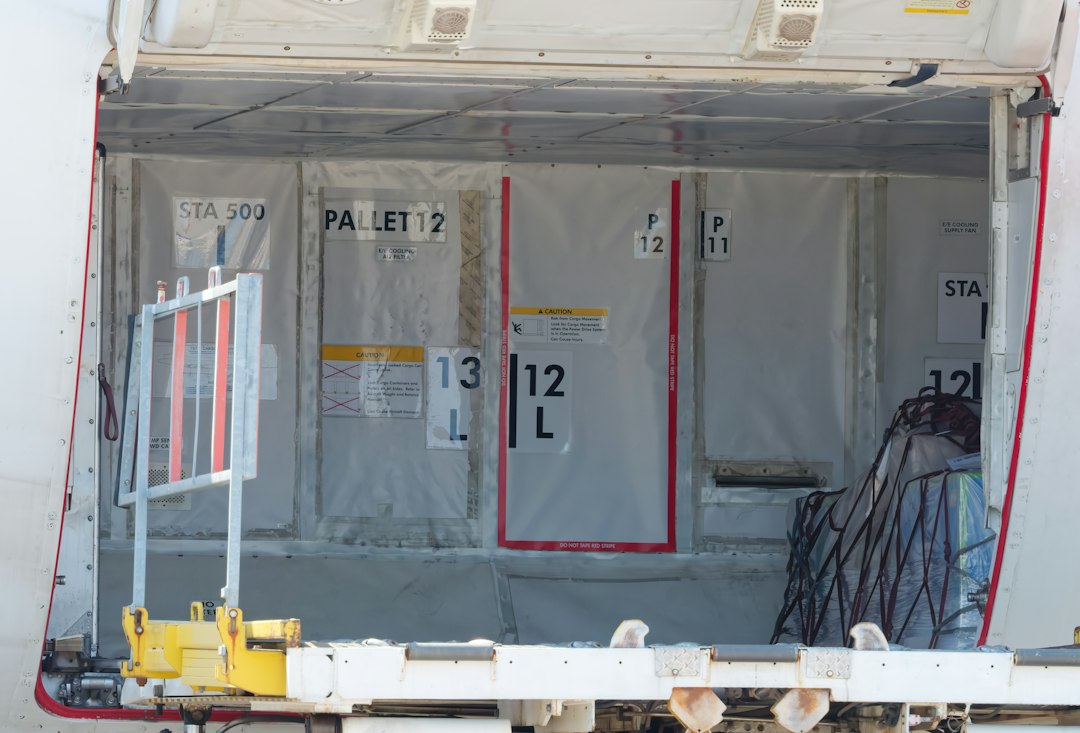
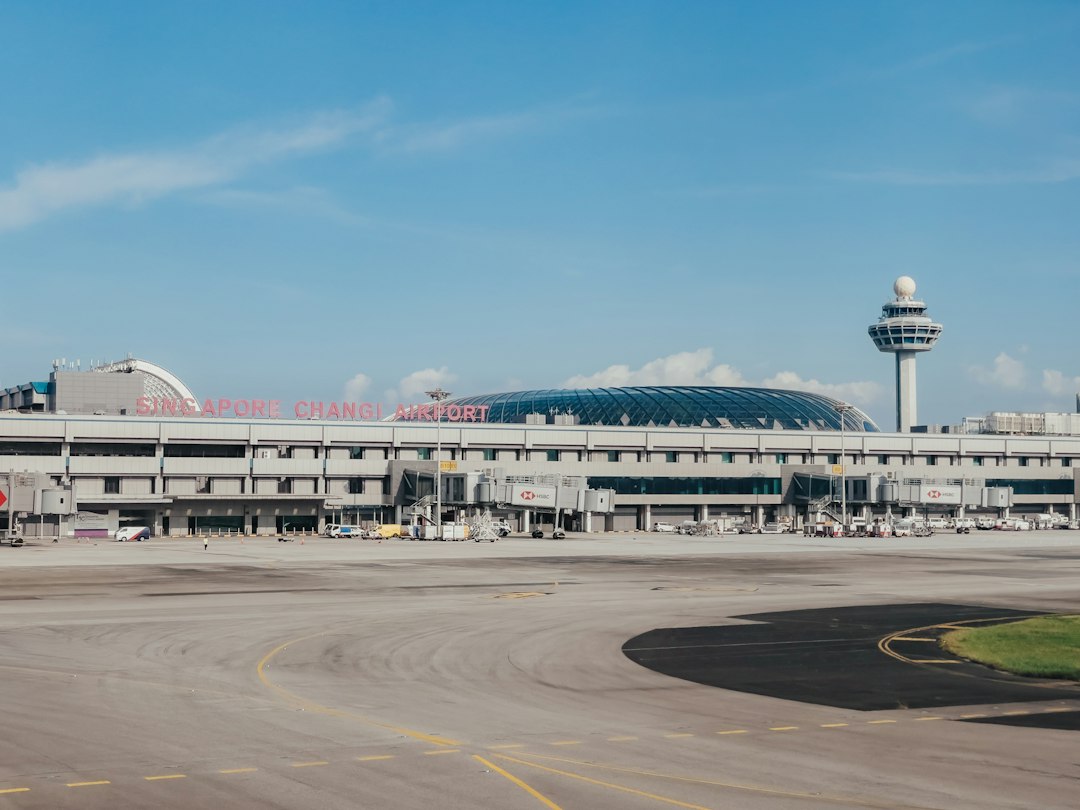
This is the one area where things haven't improved. Changi Airport's cargo terminal remains a bottleneck for live animal shipments, with only a handful of airlines (Singapore Airlines Cargo, Qantas Freight, and select partners) offering IATA CR82 live-animal-compliant holds. Demand has outpaced capacity, and freight rates for pet cargo have risen roughly 15–20% since 2024, driven by fuel surcharges and competition with general air freight. A medium dog crate from London to Singapore that cost around SGD 1,800 in airfreight alone in 2024 now runs closer to SGD 2,200–2,600.
5. New Specialist Providers Entering the Market
2026 has seen a wave of boutique pet relocation agencies setting up shop, several run by expats who went through the painful process themselves. These newer players differentiate on door-to-door tracking apps, pre-vetted crate rental (saving the SGD 300–500 cost of buying an IATA crate outright), and flat-fee packages that bundle AVS paperwork, vet visits, and local transfer from Changi to your new HDB flat or condo.
2024/2025 vs 2026 Cost Comparison
| Item | 2024/2025 (SGD) | 2026 (SGD) |
|---|---|---|
| AVS import permit processing | 10–15 working days | 3–5 working days (digital) |
| Mid-size dog, US/UK to Singapore (door-to-door) | 3,500–6,000 | 4,000–6,800 |
| Mid-size dog, India/China (with quarantine) | 4,500–7,500 | 5,000–8,200 |
| Quarantine boarding (per day) | 40–60 (Sembawang) | 55–75 (Sungei Kadut) |
| Rabies titer test validity | 12 months | 24 months |
How This Affects Your Household
If you're planning a pet relocation Singapore move in the next few months, here's the practical takeaway: start the paperwork earlier than you think you need to, but don't panic about the titer test timing as much as families did in 2024. Budget slightly more for airfreight — it's the one line item that's genuinely gone up. And if you're moving into an HDB flat, remember that only approved dog breeds under a certain size are allowed (check the HDB/AVS approved list before you commit to a breed-specific pet), whereas condos leave pet policies to each Management Corporation Strata Title (MCST), so always check your lease fine print.
2026 Pet Relocation Checklist
- Apply for AVS import permit via the new digital portal at least 6–8 weeks before travel
- Confirm your pet's rabies vaccination and titer test — check if your existing result still falls within the new 24-month window
- Book airline cargo space early; Singapore Airlines Cargo and Qantas Freight slots fill up fast in peak relocation months (June–August, December)
- Decide between an IATA-approved crate purchase or rental through a specialist provider
- Check HDB/condo pet policies before finalising your home address
- Budget for quarantine boarding if arriving from a higher-risk country
For families juggling a full relocation — movers, school enrolment, and a pet — it's worth using a specialist rather than DIY-ing the AVS process, especially given how fast rules have shifted this year. Find Pet Relocation & Transport providers who already know the Sungei Kadut quarantine process inside out.
What to Expect Next
Industry watchers expect AVS to further streamline permit approvals in 2027, possibly extending same-day digital clearance for low-risk country pets. On the cargo side, Changi's ongoing Terminal 5 expansion (still under construction) is expected to add dedicated live-animal handling capacity by 2028, which should eventually ease airfreight pricing — but don't expect relief before then. For now, the biggest win for expat families is the faster, fully digital AVS process and the longer titer test validity, both of which make pet relocation Singapore planning noticeably less stressful than it was even two years ago.
Ready to get your pet's move sorted without the guesswork? Get free quotes from verified providers on KakiList.
Need help finding the right provider?
Get free, no-obligation quotes from verified pet relocation & transport providers in Singapore.
Get Free Quotes →