Pet Relocation Singapore: 9 Common Myths Debunked
25 Sep 2026 · 7 min read · Pet Relocation & Transport
If you're an expat preparing to relocate to Singapore with a dog, cat, or even a rabbit, you've probably already stumbled across a dozen conflicting opinions in Facebook expat groups. Someone's cousin's colleague says quarantine is a month long. Someone else swears certain breeds are banned outright. The truth is that pet relocation Singapore rules are actually quite clear once you know where to look — but the myths circulating online cause a lot of unnecessary panic. Let's clear the air, one myth at a time.
Myth 1: All pets must be quarantined for 30 days
This one scares off a lot of families before they even start planning. It's rooted in old rules and in policies from other countries (hello, UK's historic six-month quarantine). In reality, Singapore's Animal & Veterinary Service (AVS) — the government body under the National Parks Board that oversees pet imports — only requires quarantine for animals coming from countries not on their approved list, or those with incomplete vaccination records.
If your dog or cat is coming from an AVS-approved rabies-free or rabies-controlled country (this includes the US, UK, Australia, most of the EU, and Japan) and has all the correct vaccinations and blood tests done in advance, quarantine can be as short as 0–10 days, sometimes done at home rather than in a government facility. Quarantine of 30 days is now reserved mainly for animals from higher-risk rabies countries, like parts of India, China, or Indonesia.
Myth 2: You can just fly your pet in as check-in luggage
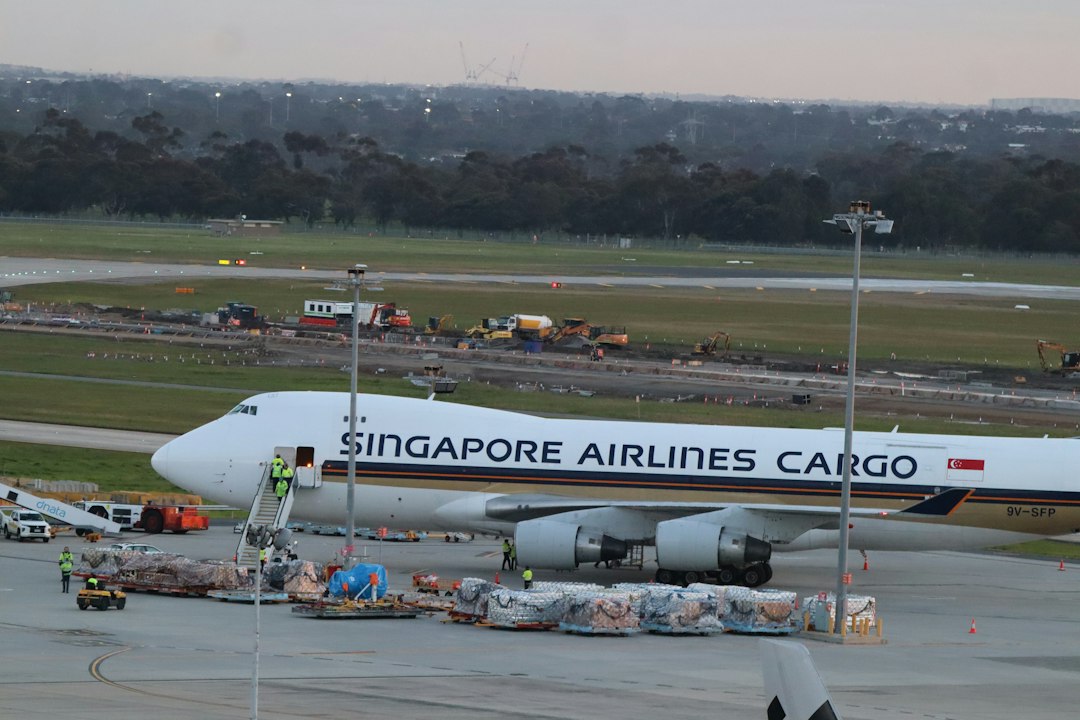
This works in some countries but not here. Singapore requires all pets to arrive as manifest cargo or accompanied baggage through an approved cargo agent at Changi Airport, with an AVS import permit obtained before your pet even leaves the origin country. Airlines flying direct to Singapore (Singapore Airlines, Cathay, Qantas) have specific pet cargo protocols, and you'll typically need to use a licensed pet relocation agent to handle the paperwork, crate certification (IATA-compliant crates are mandatory), and customs clearance on arrival.
Myth 3: Pet relocation is prohibitively expensive — think $10,000+
Costs can certainly add up, but $10,000 is on the extreme end, usually for large dogs flying from far-flung countries with connecting flights. For a mid-sized dog relocating from the UK or Australia, expect to budget SGD 3,000–6,000 all-in — covering the export/import permits, vet checks, blood titre tests, IATA crate, flight cargo fees, and agent handling charges. Cats are typically cheaper, around SGD 1,500–3,500. Compare that to your international school deposit or your condo's security deposit, and it's often a smaller line item than people expect.
Myth 4: HDB flats don't allow pets at all
Not true, but it's nuanced. HDB (Housing & Development Board, which manages Singapore's public housing where over 80% of residents live) does allow dogs — but only from an approved list of smaller breeds, one dog per flat, and the animal must be sterilised and licensed with AVS. Cats have historically not been allowed in HDB flats, though rules changed in 2024 to permit cat ownership under a registration scheme, subject to conditions like sterilisation and microchipping. If you're renting a private condo instead, most management corporations allow pets but check the individual building's by-laws — some in areas like Tanglin or Holland Village, popular with expat families, are more relaxed than others.
Myth 5: Certain popular breeds are banned entirely
There's truth buried in this myth, which is why it spreads. Singapore does restrict a small list of dog breeds classified as
Need help finding the right provider?
Get free, no-obligation quotes from verified pet relocation & transport providers in Singapore.
Get Free Quotes →