Physiotherapy in SG: First-Timer's Guide That Won't Jialat
2 May 2026 · 6 min read · Physiotherapy
What's Physiotherapy Actually About? (Not Just For Uncle's Back Pain)
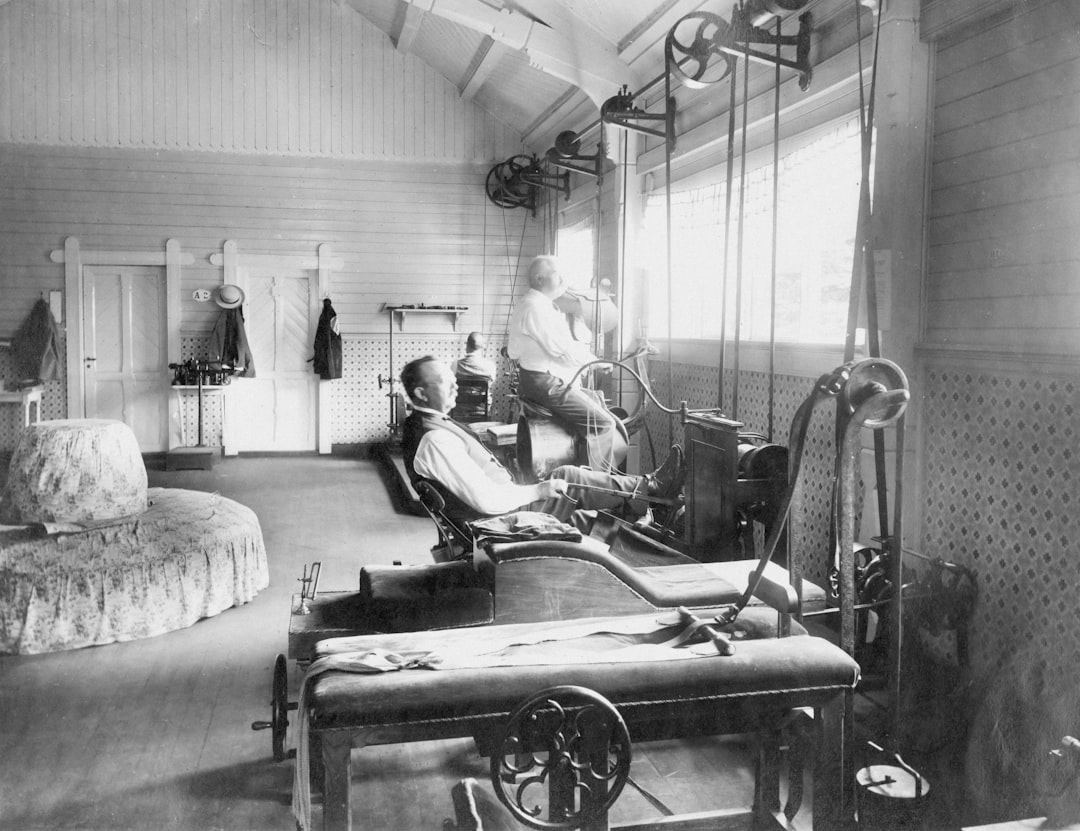
ICYMI, physiotherapy Singapore isn't just for your neighbour uncle who threw out his back moving house. It's basically like having a movement coach who helps fix your body's wonky bits – whether that's from slouching at your WFH desk, overdoing it at the gym, or even recovering from surgery.
Think of physiotherapists as body mechanics. They figure out why certain parts aren't working properly and teach you exercises to get back to normal. No magic lah, just science-backed techniques that actually work.
5 Things Physiotherapy Can Actually Help With (Spoiler: It's Not Just Pain)
1. Office Worker Syndrome
You know that stiff neck from staring at Zoom calls all day? Or the lower back ache from your IKEA chair that seemed like a good idea during Circuit Breaker? Physiotherapy can sort these out.
2. Sports Injuries
Whether you're a weekend warrior at East Coast Park or you twisted your ankle during company sports day, physios specialise in getting you back in action.
3. Post-Surgery Recovery
After operations like ACL reconstruction or joint replacement, physiotherapy helps you regain strength and mobility safely.
4. Chronic Conditions
Things like arthritis, stroke recovery, or ongoing back problems can be managed better with regular physiotherapy.
5. Prevention
Some kiasu folks (in a good way) use physiotherapy to prevent injuries, especially if they're training for marathons or have physically demanding jobs.
The Step-By-Step Process: What Actually Happens
Step 1: Initial Assessment (45-60 mins)
Your first session is like a detective investigation. The physiotherapist will:
- Ask about your medical history (be honest about that time you tried CrossFit)
- Understand your pain levels and daily activities
- Watch how you move – walking, bending, reaching
- Test your strength, flexibility, and balance
- Sometimes take measurements or photos for comparison later
Pro tip: Wear comfortable clothes you can move in. Think gym attire, not your best OOTDs.
Step 2: Diagnosis and Treatment Plan
Based on the assessment, your physio will explain:
- What's actually wrong (in terms you can understand, not medical jargon)
- How long recovery might take
- Treatment frequency needed
- Realistic goals and expectations
Step 3: Hands-On Treatment
This might include:
- Manual therapy: Hands-on techniques to improve movement
- Exercise prescription: Specific exercises tailored to your condition
- Modalities: Things like ultrasound, electrical stimulation, or heat/cold therapy
- Education: Learning proper posture and movement patterns
Step 4: Home Program
You'll get homework (but the useful kind). Expect exercises to do at home, posture tips for work, and lifestyle modifications.
What To Expect On The Day: No Paiseh Moments
Before Your Appointment
- Arrive 15 minutes early for paperwork
- Bring your referral letter (if you have one)
- Wear loose, comfortable clothing
- Bring a water bottle – you might work up a sweat
During Treatment
Don't worry about being judged for your fitness level or flexibility. Physiotherapists have seen it all, from elite athletes to couch potatoes. They're there to help, not judge.
It's normal to feel:
- Some discomfort during certain movements (but not excruciating pain)
- Muscle fatigue after exercises
- Slightly sore the next day (like after a good workout)
Red Flags: When To Speak Up
Tell your physio immediately if you experience:
- Sharp, shooting pain during treatment
- Numbness or tingling that gets worse
- Dizziness or nausea
- Any concerns about the treatment approach

The Real Talk on Costs: How Much Will It Jialat Your Wallet?
Here's the breakdown for physiotherapy Singapore prices in 2026:
| Setting | Cost Range (SGD) | Session Duration |
|---|---|---|
| Public hospital/polyclinic | $25-50 | 30-45 mins |
| Private clinic | $80-150 | 45-60 mins |
| Premium/specialist clinic | $120-200 | 60 mins |
| Home visits | $120-250 | 60 mins |
Insurance Coverage
Good news: Many insurance plans cover physiotherapy, especially if you have a doctor's referral. Check with your insurer about:
- Annual claim limits
- Whether you need pre-approval
- Preferred clinic networks for better rates
Medisave Usage
You can use Medisave for physiotherapy in certain situations, particularly post-surgery rehabilitation or chronic conditions. Ask your clinic about eligibility.
Physiotherapy Jargon Decoded: What They Actually Mean
- ROM: Range of Motion – how far you can move a joint
- Manual therapy: Hands-on treatment, not massage (though it might feel similar)
- Modalities: Equipment-based treatments like ultrasound or electrical stimulation
- Proprioception: Your body's ability to sense where it is in space
- Core stability: Not just six-pack abs, but deep muscles that support your spine
- Functional movement: Exercises that mimic real-life activities
How To Spot a Good Physiotherapist (Green Flags to Look For)
Professional Credentials
In Singapore, look for physiotherapists registered with the Allied Health Professions Council. They should display their registration certificate clearly.
Communication Style
A good physio will:
- Explain things in terms you understand
- Listen to your concerns without rushing
- Involve you in treatment decisions
- Set realistic expectations about recovery time
Treatment Approach
They should provide a mix of hands-on treatment and teach you exercises. Be wary of providers who only use machines or only do manual therapy without empowering you with self-management tools.
Pro Tips for Maximum Shiok Results
- Be consistent: Follow your home exercise program even when you don't feel like it
- Communicate openly: Update your physio about progress, setbacks, or concerns
- Set realistic goals: Recovery takes time, especially for chronic conditions
- Stay active: Continue with activities that don't aggravate your condition
- Book follow-ups: Don't ghost your physio when you feel better – maintenance sessions can prevent future problems
TL;DR: Your First Physiotherapy Experience
Expect a thorough assessment, honest conversation about your condition, some hands-on treatment, and homework exercises. Costs range from $80-200 for private clinics, and most insurance plans provide coverage. The goal isn't just pain relief but getting you back to your normal activities with better movement patterns.
Ready to sort out those aches and pains? Find physiotherapy providers in your area and start moving better. Your future self will thank you when you can touch your toes again or sleep through the night without that nagging shoulder pain.
Get free quotes from verified providers on KakiList and take the first step towards better movement and less pain.
Need help finding the right provider?
Get free, no-obligation quotes from verified physiotherapy providers in Singapore.
Get Free Quotes →