9 Things To Know Before Joining a Playgroup in Singapore
TL;DR: Playgroups are the gentle first step before nursery, but the options in Singapore can be confusing. Here's how to pick one without wasting money or stressing out.
Your toddler is still in the 'throw everything off the table' phase, and suddenly every parent chat is asking, 'Eh, enrolled in playgroup already?' Relax, no need to be too kiasu. We broke down what really matters when choosing a playgroup in Singapore, so you can make a decision that suits your child and your wallet.
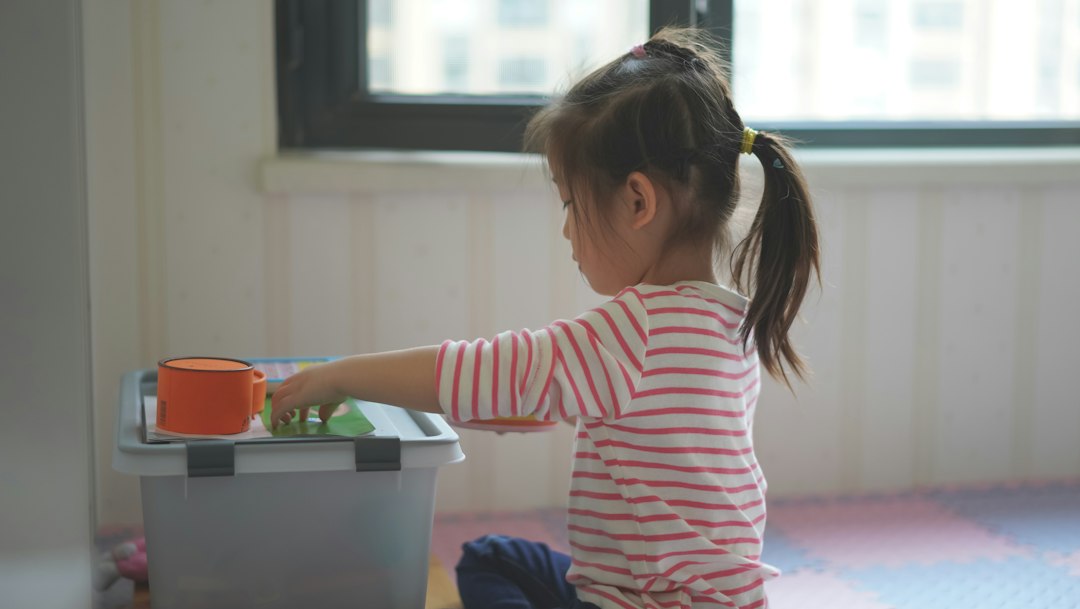
Image credit: Unsplash
9 Things To Know Before You Sign Up For A Playgroup
1. A playgroup is not the same as childcare
Playgroups usually run 2 to 3 hours per session, a few times a week, for kids around 18 months to 3 years old. Childcare centres run longer hours and follow a different regulatory framework. Since set-ups vary, ask the provider how they are registered.
Pro tip: If you need full-day care while working, look at childcare options on KakiList instead. Playgroup is more of a 'social and learning starter pack'.
2. Know the price range first (so no heart attack later)
Prices swing wildly depending on location, session length and how 'enrichment-heavy' the programme is. Here's a rough guide:
| Type | Typical Cost (SGD) |
|---|---|
| Drop-in or single trial session | S$25 – S$60 |
| Community or CC-run term classes | S$150 – S$400 per term |
| Private playgroup, 2-3 sessions/week | S$400 – S$800 per month |
| Premium or bilingual, 5 sessions/week | S$800 – S$1,200 per month |
Takeaway: Ask for a full fee breakdown. Registration, materials and uniform fees can add S$100 to S$300 upfront.
3. Always, always do a trial class
Brochures are pretty, but nothing beats watching how the teachers handle a meltdown. Most centres offer trials at S$30 to S$60, and some credit this to your first month's fees.
Takeaway: Go during a normal session, not a special open house. See how your child reacts at the 30-minute mark, when the novelty wears off.
4. Check the teacher-to-child ratio
Toddlers need close attention. A smaller group means more cuddles, more safety and more personal interaction. As a rough guide, many parents look for around 1 adult to 5 or 6 toddlers, and lower if your child is younger or has special needs.
Takeaway: Ask how many children are in the class and how many adults are actually on the floor, not just on paper.
5. Location is half the battle
That 'amazing' playgroup in Orchard sounds shiok until you're stuck in traffic with a cranky toddler at 8.30am. Heartland options in Tampines, Jurong East, Punggol or Bishan are often easier for daily routines and usually kinder on the wallet.
Pro tip: Pick somewhere within 15 minutes of home or an MRT stop. You'll be far more consistent, and consistency is what helps toddlers settle in.
6. Look at the actual curriculum (not just buzzwords)
'Holistic', 'play-based' and 'child-led' look great on a website. Ask what a typical session looks like. Good programmes mix free play, songs, story time, sensory activities and simple routines like tidying up.
Takeaway: If the day sounds like a mini school with worksheets for a 2-year-old, think twice. At this age, messy play beats flashcards.
7. Language matters in our bilingual world
Many Singapore parents want exposure to Mandarin, Malay or Tamil early. Some playgroups run bilingual programmes, while others stick to English with occasional songs in mother tongue.
Takeaway: If a second language is a priority, ask how much time is genuinely spent on it each session, and whether teachers are native or fluent speakers.
8. Safety and hygiene are non-negotiable
Toddlers put everything in their mouths. Look for clean toys, clear sick-child policies, child-safe furniture and a proper check-in and pick-up system. A tidy, well-ventilated space is a good sign.
Takeaway: Ask if staff have first-aid training and how they handle allergies and illness. A good provider answers without hesitation.
9. Read the room on parent involvement
Some playgroups are parent-accompanied, ideal for younger toddlers or first-timers who might get separation anxiety. Others are drop-off. Neither is 'better', but one will suit your child more.
Pro tip: If your little one still clings like a koala, start with an accompanied programme and graduate to drop-off once they are ready.
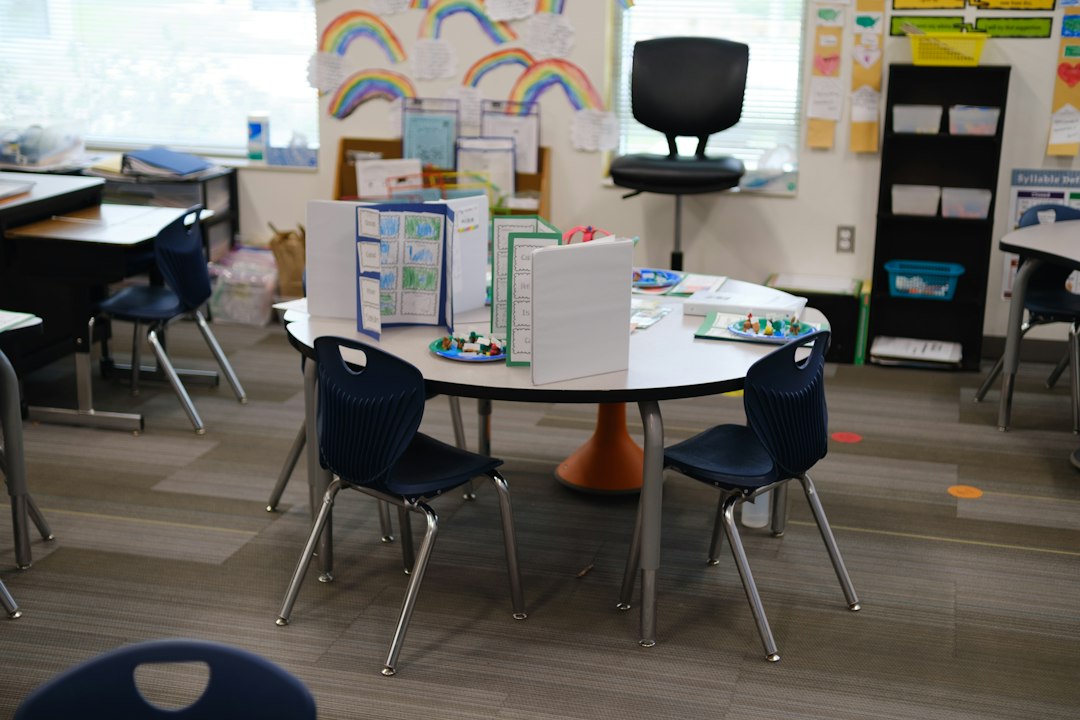
Image credit: Unsplash
Red Flags That Should Make You Say 'Pass, Thanks'
- Pushy sales tactics, such as 'discount ends today' pressure
- No trial class offered
- Vague or evasive answers on ratios, staff and fees
- Cramped, dirty or poorly supervised spaces
- Promises of 'guaranteed' school readiness or genius outcomes
Final Thoughts: Don't Stress, Just Start Small
The best playgroup in Singapore isn't the most expensive or the trendiest. It's the one where your child is happy, safe and curious, and where you feel comfortable leaving or staying. Visit two or three, compare notes, and trust your parent instincts. ICYMI, there's no prize for enrolling earliest.
Ready to start shortlisting? Find playgroup providers near you and compare what's out there.
Get free quotes from verified providers on KakiList and find a playgroup that fits your family's budget and schedule.
Need help finding the right provider?
Get free, no-obligation quotes from verified playgroup providers in Singapore.
Get Free Quotes →