9 Pool Cleaning Mistakes Singapore Homeowners Keep Making
If you're one of the lucky few in Singapore with a private pool — whether it's a landed property in Bukit Timah or a semi-D in Siglap with a plunge pool — you already know the joy of a dip after a sweaty day. What you might not know is how many homeowners are quietly flushing money down the drain (sometimes literally) through avoidable pool cleaning mistakes. Even condo residents sitting on management-maintained pools aren't immune to private-pool blunders if they've got a small lap pool or jacuzzi of their own.
We spoke to pool service providers across the island and compiled the most common pool cleaning mistakes Singapore homeowners make — and what they cost you. Spoiler: some of these mistakes can turn a $150/month maintenance routine into a $1,200 emergency repair. Here's what you need to know.
1. Skipping Regular Skimming Because "Robot Can Handle"
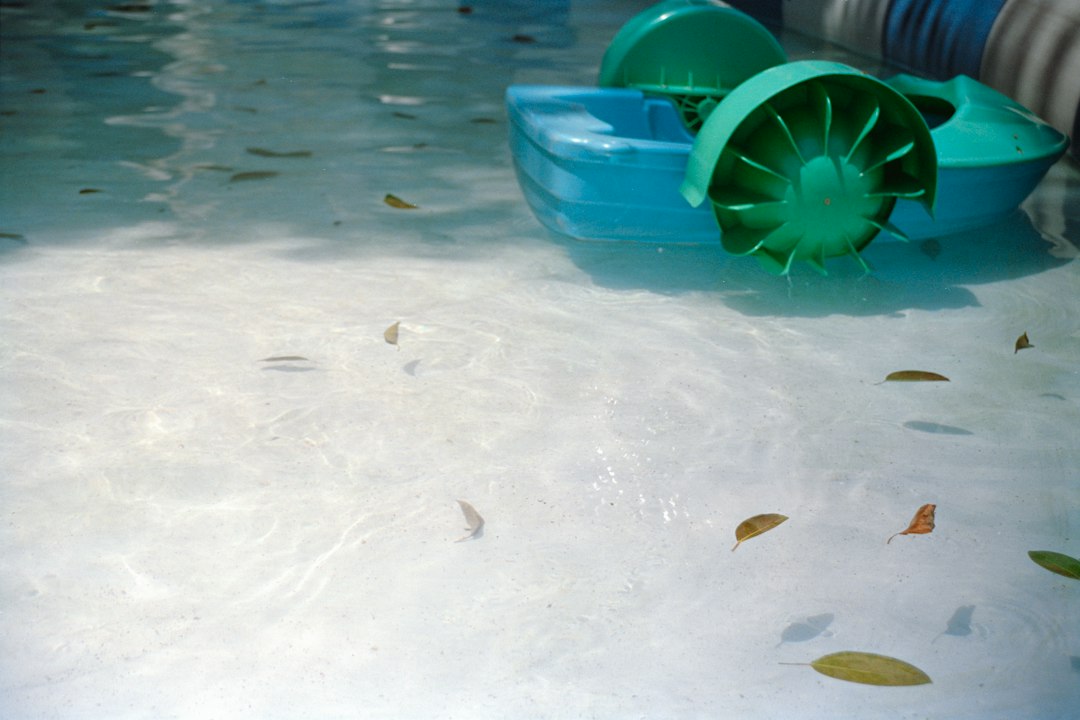
Robotic pool cleaners (the Dolphin or Polaris types, going for $800-$2,500 in Singapore) are great, but they don't replace daily skimming of leaves, insects and that stray plastic bag that blew in from your neighbour's BBQ. Skipping manual skimming means debris sinks and decomposes, throwing off your pool's pH and feeding algae.
Fix: Spend 5 minutes a day with a net skimmer ($15-$30 from Decathlon or Mustafa). Your robot should supplement, not replace, this.
2. Ignoring Chemical Balance Until the Water Turns Green
This is the classic. Singapore's heat and humidity accelerate chlorine burn-off and algae growth, so a pool that's fine on Monday can look like Kallang River by Friday if you're not testing. Many homeowners only react once the water visibly turns green — by then you're looking at a shock treatment that costs $80-$150 in chemicals alone, plus days of unusable pool.
Fix: Test pH and chlorine levels 2-3 times a week with a $20 test kit. Ideal pH is 7.2-7.6, free chlorine 1-3 ppm. Catching imbalance early costs cents in chemicals instead of hundreds in shock treatment.
3. Using the Wrong Chemical Dosage for Pool Size
A lot of DIY pool owners eyeball chemical dosing instead of calculating based on actual pool volume. Overdosing chlorine irritates skin and eyes (and bleaches your favourite swimsuit); underdosing invites bacteria and algae.
| Pool Size (approx) | Typical Volume | Weekly Chlorine Cost (SGD) |
|---|---|---|
| Small plunge pool | 10,000 - 15,000 litres | $8 - $15 |
| Medium landed pool | 30,000 - 50,000 litres | $20 - $35 |
| Large condo-style pool | 80,000+ litres | $50 - $90 |
Fix: Calculate your pool's actual volume (length x width x average depth x 1000) and dose accordingly, or let a professional service handle it as part of a monthly package.
4. Forgetting to Clean or Backwash the Filter
Sand and cartridge filters trap dirt, but if you never backwash or rinse them, your filtration efficiency drops — meaning your pump works harder (hello, higher electricity bill) and water clarity suffers. Some homeowners go 6 months without touching the filter, which is asking for trouble.
Fix: Backwash sand filters every 2-4 weeks depending on usage; rinse cartridge filters monthly. A neglected filter replacement can cost $150-$400 depending on system size, versus near-zero cost for regular maintenance.
5. DIY-ing Equipment Repairs Without Proper Knowledge
YouTube tutorials are great until you're elbow-deep in a pump motor you don't understand, and now water is spraying everywhere like a scene from a Jack Neo movie. Pool pumps, heaters and automated chlorinators are electrical systems near water — a dangerous combo if you don't know what you're doing.
Fix: Basic cleaning and chemical dosing, sure, DIY it. But for pump repairs, heater servicing or electrical work, Find Pool Cleaning providers who are trained and insured. A botched DIY repair often costs more to fix than the original service call ($60-$120 typically).
6. Not Shocking the Pool After Heavy Rain
Singapore's sudden afternoon thunderstorms don't just cool things down — they dilute your chlorine levels and introduce organic matter and runoff into your pool. Many homeowners don't realise a heavy downpour basically resets their water chemistry.
Fix: After any significant rainfall, test your water and shock-treat if chlorine levels have dropped below 1 ppm. This is especially important during the November-January monsoon season.
7. Overlooking Tile and Grout Maintenance
Everyone focuses on the water but ignores the pool's edges. Calcium buildup, algae staining on grout lines, and cracked tiles are common in older landed properties (think pools built in the 1990s in areas like Serangoon Gardens). Left unchecked, water can seep behind tiles and cause structural damage.
Fix: Scrub tile lines monthly with a pool-safe brush. Budget $300-$800 for professional retiling or regrouting every few years rather than waiting for a full pool resurfacing job, which can run $3,000-$8,000.
8. Running the Pump on the Wrong Schedule
Some homeowners run their pool pump 24/7 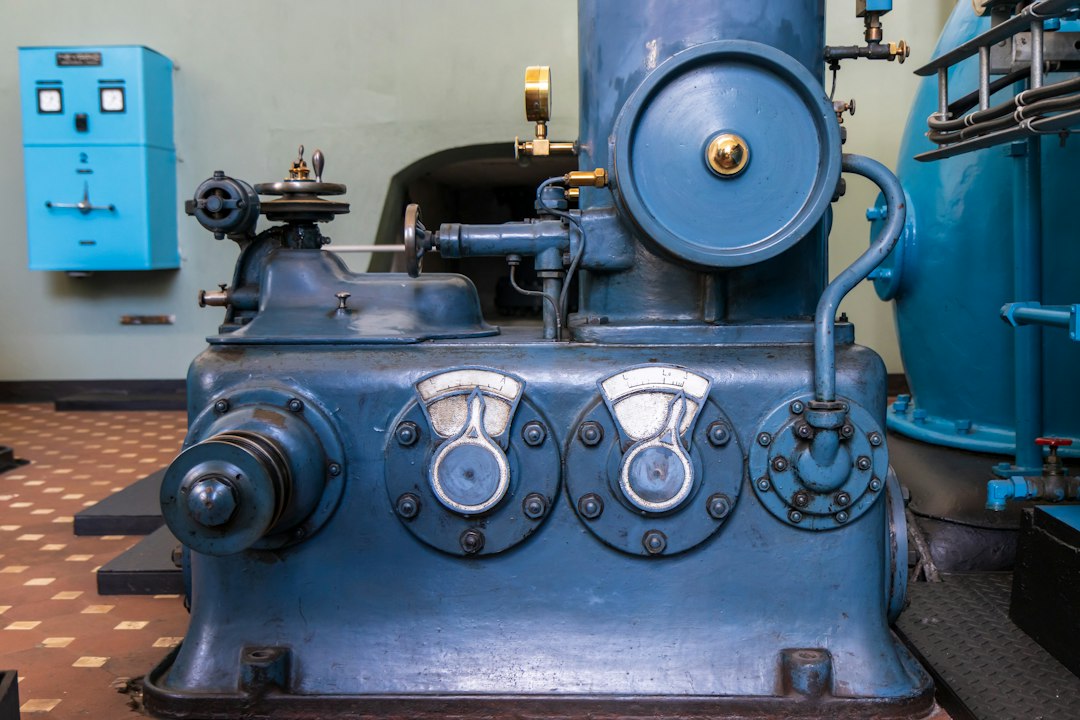
Need help finding the right provider?
Get free, no-obligation quotes from verified pool cleaning providers in Singapore.
Get Free Quotes →