Preschool Fees in Singapore: 2026 Cost Guide for Expats
One of the first surprises for newly arrived parents is how many choices there are, and how widely the prices swing. Two preschools a few streets apart can differ by S$3,000 a month. This guide breaks down preschool fees in Singapore for expat families so you can budget properly before you sign anything. All figures are indicative as of November 2026 and fees change every year, so always confirm directly with the school.
How the Singapore preschool system works (the short version)
Singapore uses two terms that confuse newcomers: childcare and kindergarten. Childcare centres take children from about 2 months to 6 years old and run long hours (typically 7am to 7pm), which suits two working parents. Kindergartens usually cover ages 3 to 6 on shorter half-day schedules, though many private schools blur the line and offer both.
Both are regulated by the ECDA (Early Childhood Development Agency). The government also funds two groups of operators, called anchor operators (such as PAP Community Foundation and NTUC First Campus's My First Skool) and partner operators. These cap their fees, but the generous subsidies that make them cheap are mainly for Singapore citizens. If you are on an Employment Pass, S Pass or Dependant's Pass, you generally do not receive these subsidies, and you pay the non-citizen rate. Singapore PRs receive smaller subsidies than citizens.
Also note that MOE Kindergartens, the Ministry of Education's own schools, prioritise citizens and PRs, so most expat families look at private local or international options.
Monthly preschool fees in Singapore: low, mid and high
| Type of preschool | Typical monthly fee (SGD) | Best for |
|---|---|---|
| Government-supported childcare (non-citizen rate) | S$900 – S$1,400 full-day | Families wanting local immersion in the heartland, e.g. Tampines, Bishan, Punggol |
| Private local kindergarten or childcare | S$1,000 – S$1,800 | Bilingual (English and Mandarin) learning on a moderate budget |
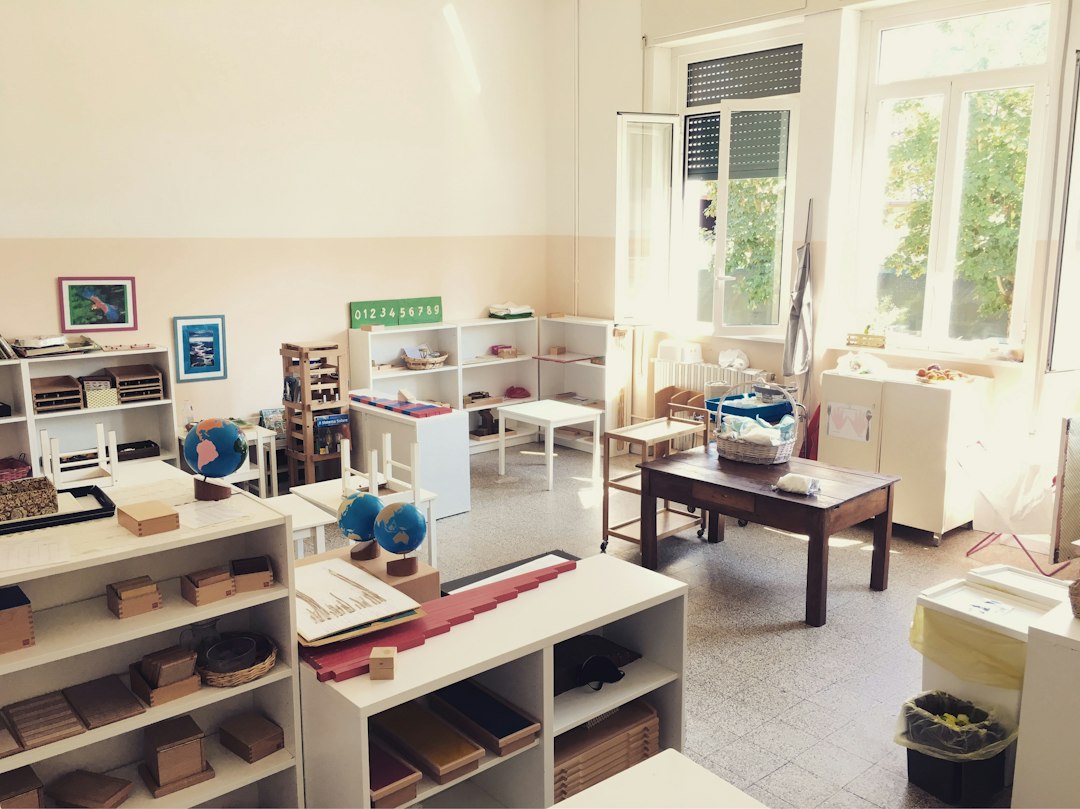
| Montessori, Reggio or play-based centres | S$1,500 – S$3,500 | Child-led learning; popular around Holland Village, Katong and Novena |
| Mid-range international preschool | S$1,800 – S$3,000 | Families who may move countries again and want familiar curricula |
| Premium international preschool | S$3,000 – S$5,000+ | Feeder links to international schools, Tanglin and Bukit Timah areas |
| Infant care (2–18 months), private | S$1,800 – S$3,500 | Parents returning to work early |
Low budget: roughly S$900 to S$1,500 a month. Mid-range: S$1,800 to S$3,000. High-end: S$3,000 to S$5,000 or more. If you are coming from London, Sydney or a major US city, mid-range fees will feel similar or slightly lower, while full-day infant care here is notably cheaper than in many Western capitals. Premium international options, however, can match or exceed what you were paying back home.
What affects the price?
- Location: Tanglin, Orchard and Sentosa Cove-adjacent schools charge a premium for proximity to expat housing and international schools. Moving a few MRT stops out to Bishan, Tampines or Jurong can cut fees noticeably.
- Hours: Half-day (around 3 to 4 hours) can be 30 to 40 per cent cheaper than full-day.
- Curriculum: IB-aligned, Reggio Emilia or Montessori programmes with certified teachers cost more.
- Teacher-to-child ratio: Smaller classes of 12 or fewer mean higher fees.
- Facilities: Swimming pools, science labs and large outdoor spaces all show up in your bill.
- Age: Infants and toddlers need more staff per child, so they cost more per month than K1 or K2 (kindergarten levels for 5 and 6 year olds).
Hidden costs: what the brochure may not say
This is where budgets quietly blow up. Ask for a full fee schedule in writing and check for these:
- Registration fee: S$200 to S$1,000, usually non-refundable.
- Security deposit: Typically one to two months' fees, refundable when your child leaves with proper notice.
- Annual materials or development fee: S$200 to S$800.
- Uniforms and PE kit: S$80 to S$250 for a set.
- School bus: S$150 to S$300 a month depending on distance.
- Enrichment classes: Mandarin, ballet, coding or swimming, typically S$50 to S$200 a month each. Parents here can be quite kiasu (afraid to lose out), so the add-ons multiply fast.
- Holiday programmes: Many schools close during part of the school holidays; camps cost S$300 to S$700 a week.
- GST: Some private schools quote fees before the 9 per cent Goods and Services Tax. Check if the price is nett.
- Annual fee increases: Expect 3 to 8 per cent a year.
- Waiting list fees: S$50 to S$300 to chope (reserve) a place at popular schools.
Sample first-year budget
Say you choose a mid-range Montessori centre in Katong at S$2,400 a month. Over 12 months that is S$28,800. Add a registration fee (S$500), annual materials fee (S$450), uniforms (S$150), and two enrichment classes (S$2,400 a year), and your first-year total lands near S$32,300, or about 12 per cent higher than the headline monthly fee suggests. Budget accordingly.
What to expect when enrolling
- Start early. Popular schools have waiting lists of 6 to 12 months, especially for infant care.
- Book a visit. Go during school hours so you can see actual classroom routines.
- Prepare documents. Passport, your child's immunisation records, and a copy of your pass (Dependant's Pass or Long-Term Visit Pass for your child).
- Check ECDA registration. Every legitimate centre must be licensed; you can look it up online.
- Read the withdrawal terms. One month's notice is common, and some contracts are term-based.
Money-saving tips for expat parents
- Check your relocation package. Some employers offer an education or childcare allowance. Raise it during negotiation, not after you arrive.
- Look beyond the expat belt. A good private preschool in a heartland estate like Bishan or Tampines often costs a lot less than one near Orchard Road.
- Ask about sibling discounts. Many centres offer 5 to 10 per cent off the second child.
- Pay termly or annually. Some schools give a small discount for upfront payment.
- Start with half-day. For ages 3 to 4, half-day can be enough, and you can upgrade later.
- Skip optional extras in year one. Let your child settle before adding classes.
- Compare at least three schools. Fee structures vary widely, so look at the total cost, not just the monthly figure.
Quick checklist before you commit
- Total first-year cost, including all fees, in writing
- Teacher qualifications and class sizes
- Meals, bus and holiday-care arrangements
- Refund and withdrawal policy
- Travel time from your home or workplace (Singapore traffic and MRT crowds are real)
Ready to start comparing? Find Preschool/Kindergarten providers near your neighbourhood and see what is on offer. Get free quotes from verified providers on KakiList and compare your options side by side, so you can make a confident choice for your little one.
Need help finding the right provider?
Get free, no-obligation quotes from verified preschool/kindergarten providers in Singapore.
Get Free Quotes →