3 Singaporean Families Share Their Real Executive Condo Journey
If you've ever sat at a kopitiam table with your partner arguing over BTO vs EC vs resale condo, you're not alone. The Executive Condo (EC) has become the go-to "best of both worlds" option for Singaporean sandwich-class families — public housing subsidies, but with condo facilities like pools and gyms.
But what's it actually like to buy one? We spoke to three composite profiles based on real patterns we've seen across Singapore households to find out what really happens after you sign on the dotted line.
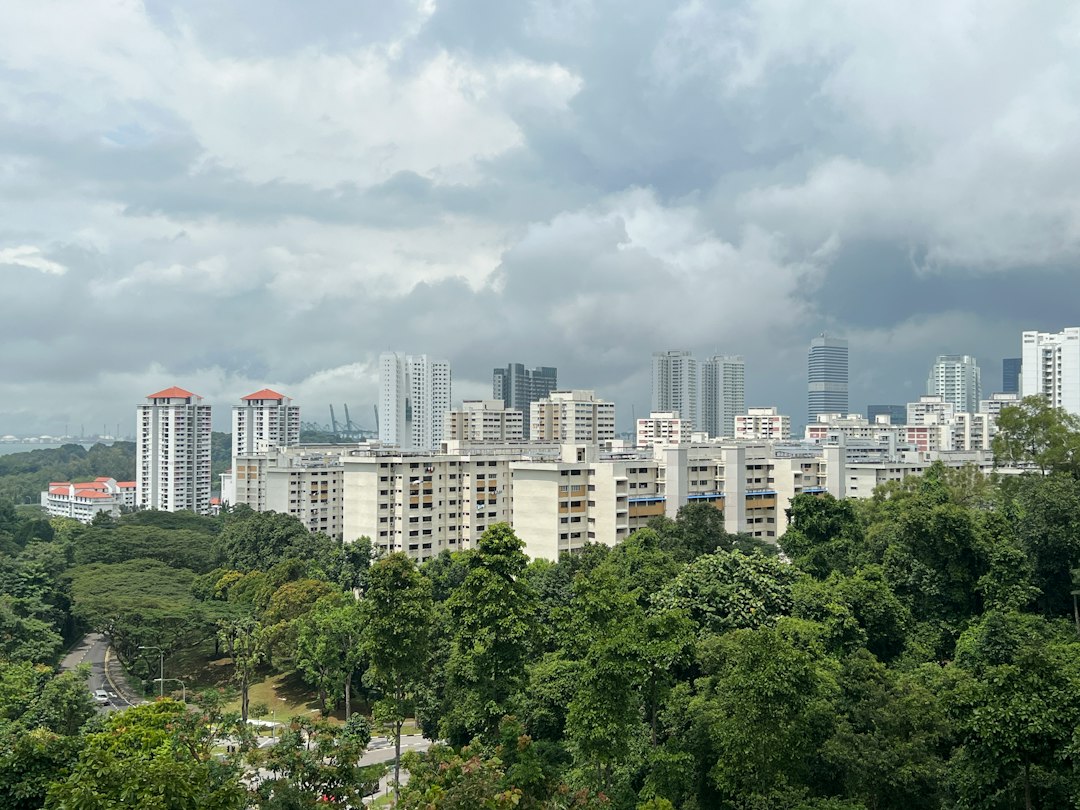
Case Study 1: The Sengkang Newlyweds Who Upgraded From a BTO
Wei Jie (32, engineer) and Michelle (30, teacher) got their 4-room BTO in Sengkang back in 2019. Fast forward five years, with a baby on the way and both their salaries climbing, they started eyeing an EC for the extra space and condo lifestyle.
They applied for Copen Grand in Tengah during the 2022 launch, drawn by the eco-district concept and proximity to the future Tengah MRT station. Monthly household income was around $13,500 — comfortably under the $16,000 EC income ceiling.
- Unit: 4-bedroom, 1,087 sqft
- Purchase price: $1.18 million
- Downpayment: 5% cash ($59,000) + 20% CPF/cash
- Monthly mortgage: approx. $3,100 over 25 years
- Sold BTO for: $620,000 (bought at $350,000)
Their lobang? Using the BTO sale proceeds to offset a chunk of the downpayment, which meant they didn't have to touch their emergency fund. Michelle admits the 3-4 year wait for the EC to TOP was the hardest part — they had to rent a cheap room near her in-laws in Punggol in the interim, costing an extra $1,200/month they hadn't originally budgeted for.
Lesson learned: Factor in interim housing costs if your EC is still under construction. It's not just the mortgage — you need a roof over your head while you wait.
Case Study 2: The Toa Payoh Family Going From Resale HDB to EC
The Lim family — Kenneth (38), Siew Hoon (36), and their two primary-school-going kids — had outgrown their 3-room resale flat in Toa Payoh. With household income of $15,200/month (just under the ceiling), they decided a resale EC was faster than waiting for a new launch.
They bought a 5-year-old unit at Parc Life in Sembawang for $1.05 million, fully furnished by the previous owner.
- Purchase price: $1.05 million (resale, no need to wait for BTO-style construction)
- BSD + ABSD: $24,600 (no ABSD since it was their first EC purchase)
- Renovation: $18,000 (mainly repainting and new kitchen cabinets)
- Monthly mortgage: approx. $3,600 over 23 years
Because the EC was already past its Minimum Occupation Period (MOP) and had hit its 10-year mark, it was already privatised — meaning no need to wait out MOP restrictions, and they could even consider renting out a room if needed. The trade-off: resale ECs post-MOP come at a premium price similar to private condos in the area.
Lesson learned: Resale EC skips the construction wait, but you're paying closer to private condo prices once it's fully privatised. Do your sums — sometimes a new launch EC still works out cheaper per square foot even with the wait.

Case Study 3: The Bukit Panjang Couple Who Almost Didn't Qualify
Haikal (35) and Nur (29) — a civil servant and a freelance graphic designer — nearly got disqualified from EC eligibility because Nur's income was initially unclear due to irregular freelance earnings. Many banks and HDB require an average of the last 12 months' Notice of Assessment (NOA) for self-employed applicants.
After consulting a mortgage broker, they restructured their application timing to apply right after Nur's NOA reflected a full year of more stable freelance income, bringing their combined monthly household income to $14,000 — within the ceiling.
- Unit: 3-bedroom EC at Provence Residence, Canberra
- Purchase price: $950,000
- Loan: HDB-ineligible (EC loans go through private banks), so they shopped around and got 2.6% interest instead of the first bank's 3.1% offer
- Savings from rate shopping: roughly $280/month, or over $16,000 across their loan tenure
Lesson learned: Freelancers and self-employed folks CAN qualify for an EC — just be strategic about timing your application and your NOA. And always, always compare bank loan packages. The difference of 0.5% interest adds up to real money over 25 years.
What These 3 Families Have in Common
Despite different neighbourhoods and life stages, a few shared truths emerged from these journeys:
- Budget beyond the downpayment. Renovation, interim rental, legal fees, and stamp duties can easily add another $30,000–$60,000 on top of what you see advertised.
- MOP timing matters a lot. Whether you're buying new (5-year MOP, then 10 years to full privatisation) or resale, understand exactly where the unit sits in that timeline before committing.
- Shop your home loan like you shop for bak kut teh. Don't just take the first bank's offer — EC loans aren't HDB loans, so rates and terms vary a lot between banks.
- Income ceiling checks can be jialat if you're self-employed. Plan your application timing around your NOA filings if your income isn't fixed.
At the end of the day, an EC can be a genuinely smart upgrade path for Singaporean families who've outgrown their HDB flat but aren't quite ready (or willing) to pay full private condo prices. But as these stories show, the 
Need help finding the right provider?
Get free, no-obligation quotes from verified executive condo (ec) providers in Singapore.
Get Free Quotes →