Red Flags: How to Spot Dodgy Bone & Sports Clinics in SG
8 May 2026 · 5 min read · Bone, Joint & Sports
Got a nagging shoulder pain from your weekend badminton session? Or maybe that knee's acting up again after your morning jog around Marina Bay? Finding the right bone, joint & sports clinic shouldn't be a gamble with your health and wallet. Here's what you need to know about spotting dodgy providers before you book that appointment.
With healthcare costs in Singapore averaging SGD $150-400 per sports injury consultation, the last thing you want is to waste money on substandard care. Let's break down the red flags that separate legitimate clinics from the cowboys.

Red Flag #1: No Proper Licensing or Credentials Display
What to watch for: Clinics that don't prominently display their MOH registration, practitioner licenses, or professional certifications. If you ask about qualifications and get vague answers, that's a major warning sign.
Why it matters: In Singapore, all medical practitioners must be registered with the Singapore Medical Council (SMC) or Allied Health Professions Council (AHPC). Physiotherapists need valid practicing certificates.
What legitimate providers do: Display certificates clearly in reception areas, readily provide practitioner credentials when asked, and their details are easily verifiable on official registries.
Red Flag #2: Pressure for Expensive Package Deals Upfront
What to watch for: Clinics pushing you to buy 10-20 session packages costing SGD $1,500-3,000 before proper assessment. High-pressure sales tactics during your first visit.
Why it's dodgy: Legitimate treatment plans can't be determined without proper diagnosis. Any clinic demanding large upfront payments is prioritizing profit over patient care.
What good clinics do: Conduct thorough assessments first, explain treatment options clearly, offer flexible payment plans, and never pressure you into expensive packages.
| Red Flag Pricing | Legitimate Pricing |
|---|---|
| Must buy 20 sessions: SGD $2,500 | Pay per session: SGD $120-180 |
| Package discount expires today | Flexible payment options |
| No refunds on packages | Reasonable cancellation policy |
Red Flag #3: Miracle Cure Promises
What to watch for: Claims like "100% guaranteed recovery in 3 sessions" or "revolutionary treatment that doctors don't want you to know about."
Why it's suspicious: Every injury is different. No legitimate practitioner can guarantee specific outcomes, especially for complex musculoskeletal issues.
Professional approach: Honest clinics provide realistic timelines, explain treatment processes transparently, and set appropriate expectations based on your specific condition.
Red Flag #4: Operating from Questionable Locations
What to watch for: Clinics in residential HDB units, shophouses without proper medical facility setup, or constantly changing locations.
The problem: Medical facilities need proper licensing, equipment standards, and hygiene protocols. Your neighborhood auntie's living room isn't a suitable treatment environment.
Legitimate setup: Proper clinic premises in commercial buildings, clear signage, professional reception areas, and appropriate medical equipment setup.
Red Flag #5: Unqualified Staff Providing Treatment
Watch out for: Assistants or unlicensed staff performing actual treatment, not just administrative tasks. If the person treating you can't produce valid credentials, walk away.
Why it matters: Sports injuries involve complex anatomy. Improper treatment can worsen conditions or cause new injuries. In Singapore, only licensed professionals should provide treatment.
Professional standards: Licensed physiotherapists or doctors perform all assessments and treatments. Support staff handle only administrative duties.
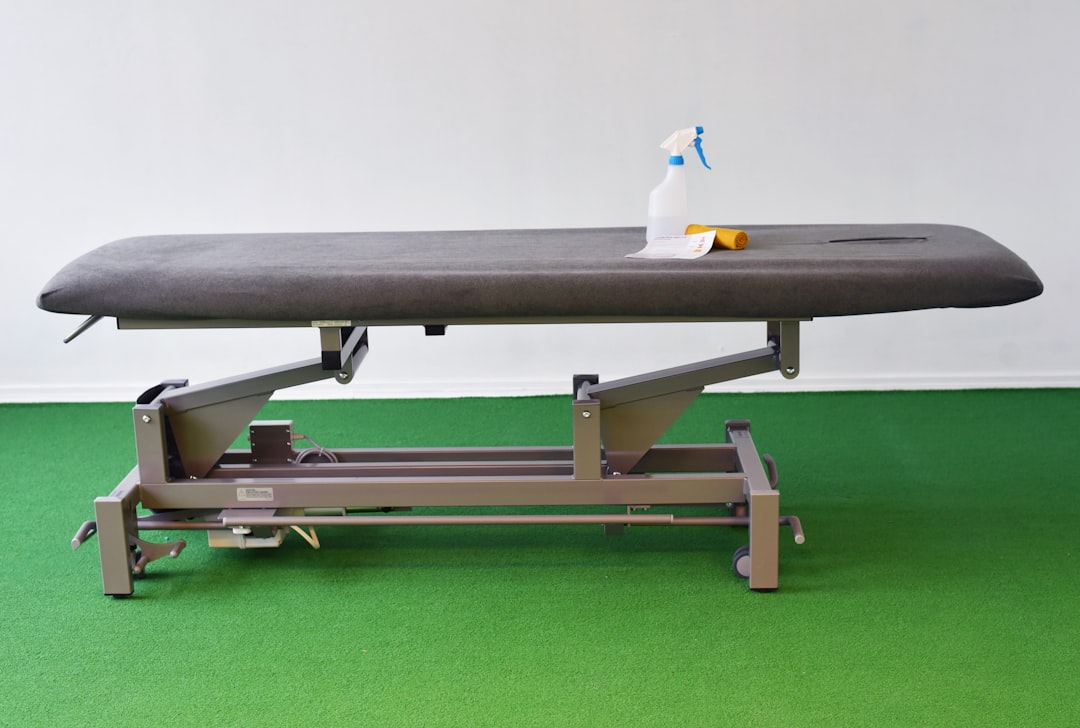
Red Flag #6: No Proper Assessment or Documentation
Warning signs: Jumping straight into treatment without thorough history-taking, physical examination, or explaining your diagnosis. No written treatment plans or progress notes.
The risk: Treating symptoms without understanding root causes often leads to recurring problems and wasted money.
Proper practice: Comprehensive initial assessment, clear diagnosis explanation, written treatment plans, and regular progress reviews.
Red Flag #7: Refusing Medical History or Referrals
Red flag behavior: Dismissing your previous medical records, refusing to communicate with your GP, or claiming they can treat everything without external consultation.
Why it's concerning: Good healthcare is collaborative. Isolated providers often miss important medical contexts that affect treatment.
Professional approach: Request relevant medical history, coordinate with other healthcare providers when necessary, and know when to refer for specialist care.
Red Flag #8: Cash-Only Operations
What to spot: Clinics that only accept cash payments, can't provide proper receipts, or refuse insurance claims processing.
The bottom line: Legitimate medical facilities have proper billing systems, accept various payment methods, and can process insurance claims efficiently.
| Payment Red Flags | Professional Standards |
|---|---|
| Cash only, no receipts | Multiple payment options |
| Cannot process insurance | Medisave/insurance friendly |
| Handwritten bills only | Proper invoicing system |
Red Flag #9: Overly Aggressive Online Reviews
Warning signs: Dozens of 5-star reviews posted within short timeframes, reviews that all sound similar, or defensive responses to any criticism.
Why it's suspicious: Genuine reviews accumulate naturally over time with varied experiences and writing styles.
Authentic indicators: Mixed review scores with detailed, varied feedback and professional responses to concerns.
Red Flag #10: No Clear Contact Information
Watch for: Only mobile numbers, no fixed clinic address, frequently changing contact details, or unwillingness to provide clinic registration numbers.
The risk: If something goes wrong, you need clear recourse. Legitimate businesses aren't afraid of being contacted or found.
Professional standard: Fixed clinic address, landline numbers, email contacts, and transparent business registration details.

Your Trust Checklist: What Good Clinics Do
- Display valid MOH/AHPC registration prominently
- Provide detailed initial assessments (45-60 minutes)
- Explain treatment plans clearly before starting
- Offer flexible payment options and clear pricing
- Maintain proper clinic facilities and equipment
- Have qualified, licensed staff only
- Provide written treatment documentation
- Coordinate with other healthcare providers
- Process insurance claims efficiently
- Respond professionally to patient feedback
Remember, your health isn't worth risking on dubious providers. Whether you're dealing with tennis elbow from weekend games at Kallang or runner's knee from East Coast Park sessions, choose clinics that prioritize your wellbeing over quick profits.
The bottom line? Trust your instincts. If something feels off during your first visit, don't hesitate to seek a second opinion elsewhere.
Ready to find a trustworthy bone, joint & sports provider? Get free quotes from verified providers on KakiList and connect with licensed professionals who put your health first.
Need help finding the right provider?
Get free, no-obligation quotes from verified bone, joint & sports providers in Singapore.
Get Free Quotes →