Senior Transport Contracts in Singapore: 12 Clauses to Check
If you've just moved to Singapore and you're arranging transport for an elderly parent — whether it's regular trips to a polyclinic in Toa Payoh or dialysis sessions three times a week — you'll quickly discover that senior transport here is a fairly informal industry. Many providers are small operators or individual drivers with modified vehicles, not big corporations with legal departments. That's not necessarily a bad thing (service is often warmer and more personal), but it does mean contracts vary wildly in quality, and the burden is on you to catch the gaps before you sign.
Unlike home countries where eldercare transport might be tightly regulated, Singapore's senior transport contract Singapore landscape is a mix of licensed medical transport companies, private hire wheelchair vans, and informal drivers found through word of mouth or Facebook groups. Here's what to actually check before committing, clause by clause.
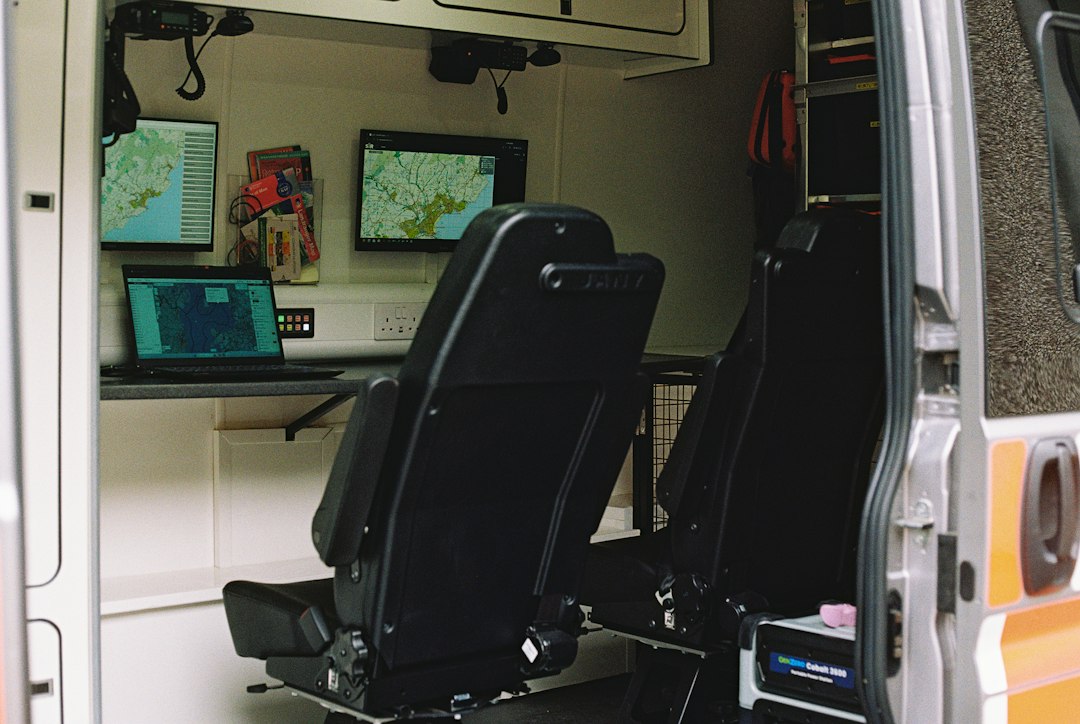
1. Scope of Service — What's Actually Included
What it says: Usually something vague like "door-to-door transport assistance."
What it means for you: Does "door-to-door" mean the driver helps your parent from the HDB flat's front door to the lift, or just curb-to-curb at the drop-off point? Does it include waiting time during a two-hour polyclinic appointment, or do you need to call separately for the return leg?
What to push back on: Get specific wording — "escort from residence door to vehicle and from vehicle to clinic reception" is very different from "pickup at building entrance." Ask whether wait-and-return is a separate line item.
Standard in Singapore: Most reputable providers offer door-to-door with escort as standard for frail or wheelchair-bound seniors, but wait-and-return is usually charged extra by the hour (typically SGD 15–25/hour).
2. Pricing Structure and Hidden Surcharges
What it means for you: Base fares often look reasonable (SGD 25–45 one-way within the same region), but surcharges stack up fast — late-night trips, Sunday/public holiday loading, wheelchair handling fees, and peak-hour ERP-equivalent charges.
What to push back on: Ask for a full surcharge table in writing, not a verbal "don't worry, it's not much."
Standard in Singapore: Expect 20–50% surcharge for late-night (after 10pm) or public holiday trips, and a flat SGD 10–20 wheelchair handling fee per trip.
3. Cancellation and No-Show Policy
What it means for you: Elderly parents cancel appointments often — illness, hospital reschedules, bad days. Check the cancellation notice window and penalty.
What to push back on: Anything requiring more than 4 hours' notice for a same-day medical trip is unreasonable — medical schedules shift constantly.
Standard in Singapore: Most providers require 2–4 hours' notice for cancellation without charge; late cancellations typically incur 50% of the fare.
4. Liability for Injury or Accident During Transfer
What it means for you: This is the clause people skip, and the one that matters most. If your parent falls while being transferred from wheelchair to vehicle, who's liable?
What to push back on: Insist on seeing proof of public liability insurance, not just a mention of it. Ask for the policy limit — SGD 500,000 minimum is reasonable for this type of service.
Standard in Singapore: Licensed providers should carry commercial insurance covering passenger injury; informal/individual drivers often don't, which is a real risk worth paying a premium to avoid.
5. Vehicle Maintenance and Equipment Standards
What it means for you: Wheelchair ramps, straps, and lifts need regular servicing. A contract that doesn't mention maintenance schedules tells you nothing about equipment safety.
What to push back on: Ask when the vehicle was last inspected under LTA requirements for modified vehicles.
6. Driver Qualifications and Background Checks
What it means for you: Does the driver have first-aid training? Has a background check been done, given they'll have close physical contact with a vulnerable person?
What to push back on: Request confirmation of a valid vocational licence (for commercial passenger vehicles) and ask if staff have completed basic caregiving or first-aid courses.

7. Payment Terms — Deposit, Package, or Pay-Per-Trip
What it means for you: Many providers push monthly packages (e.g., SGD 600–900/month for daily dialysis runs) which seem cheaper per trip but lock you in.
What to push back on: Ask what happens to unused trips if your parent is hospitalised mid-month — do they roll over or get refunded?
8. Contract Duration and Termination Rights
What it means for you: Some packages auto-renew monthly; others require 30 days' notice to terminate. If your parent's needs change suddenly, you don't want to be stuck.
What to push back on: Avoid anything with a termination notice longer than 14 days for a personal eldercare service — this isn't a telco contract.
9. Scope Creep — Additional Stops and Errands
What it means for you: You book transport to the hospital, but your parent asks the driver to stop at the wet market on the way back. Is that covered, or does it trigger a new charge?
What to push back on: Get clarity on whether minor detours (under 10 minutes) are included or billed separately, so there's no awkward haggling at the roadside.
10. Communication and Real-Time Updates
What it means for you: If you're at work and can't personally supervise each trip, you'll want SMS or WhatsApp confirmation of pickup and drop-off.
What to push back on: Ask if this is offered free or as a paid add-on — it should be standard, not a luxury.
11. Dispute Resolution Clause
What it means for you: If something goes wrong — a missed pickup causing a missed dialysis slot — how is it resolved? Look for whether the contract names a specific resolution process or just says "to be discussed."
What to push back on: Push for a written complaints process with a response timeframe (e.g., 3 working days), rather than vague promises.
12. Data Privacy and Medical Information Handling
What it means for you: Drivers often need to know medical conditions (e.g., dementia, mobility level) for safety. Check how this information is stored and who has access to it, especially under Singapore's Personal Data Protection Act (PDPA).
Quick Checklist Before You Sign
- Scope of service clearly defined door-to-door
- Full surcharge schedule in writing
- Cancellation window of 4 hours or less
- Proof of liability insurance (SGD 500k+)
- Driver vocational licence and first-aid training confirmed
- Clear refund/rollover policy for unused package trips
- Termination notice of 14 days or less
- Written process for complaints and disputes
- PDPA-compliant handling of medical information
Senior transport contracts in Singapore don't need to be complicated, but they do need to be specific. A good provider won't flinch when you ask these questions — in fact, the ones who answer clearly and promptly are usually the ones worth hiring. If you're also arranging broader support, you might want to Find Senior Transport providers who specialise in medical appointment runs across Singapore.
Ready to compare providers side by side? Get free quotes from verified providers on KakiList.
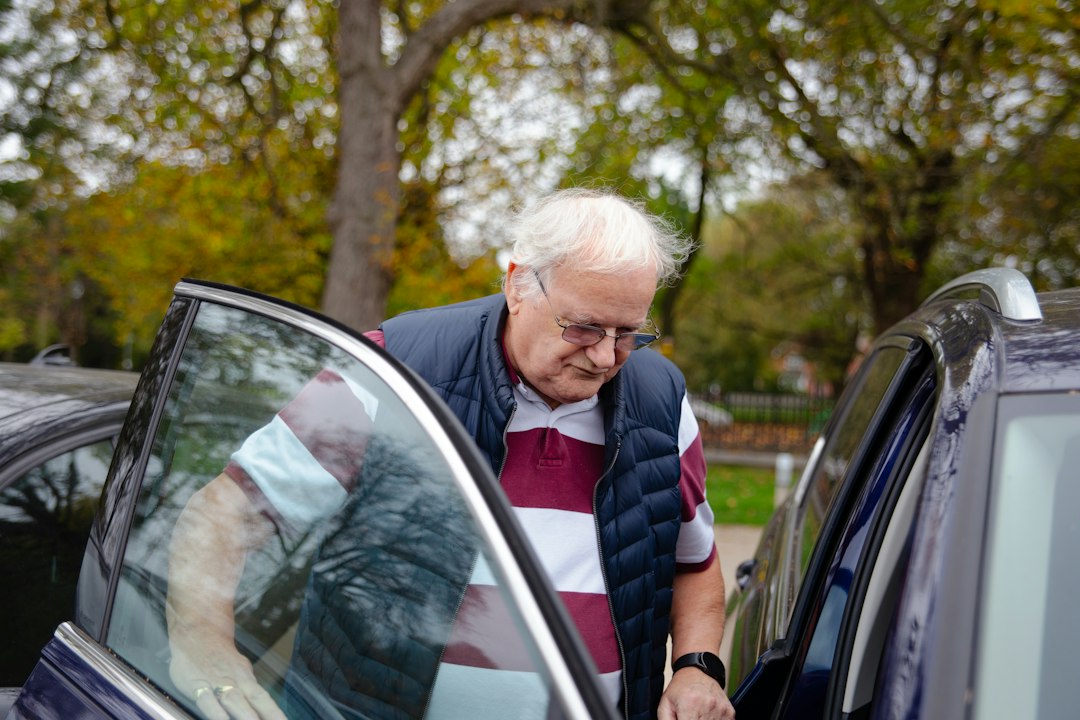
Need help finding the right provider?
Get free, no-obligation quotes from verified senior transport providers in Singapore.
Get Free Quotes →