Special Needs School Guide: First Timer's Complete SG Guide
18 May 2026 · 6 min read · Special Needs School
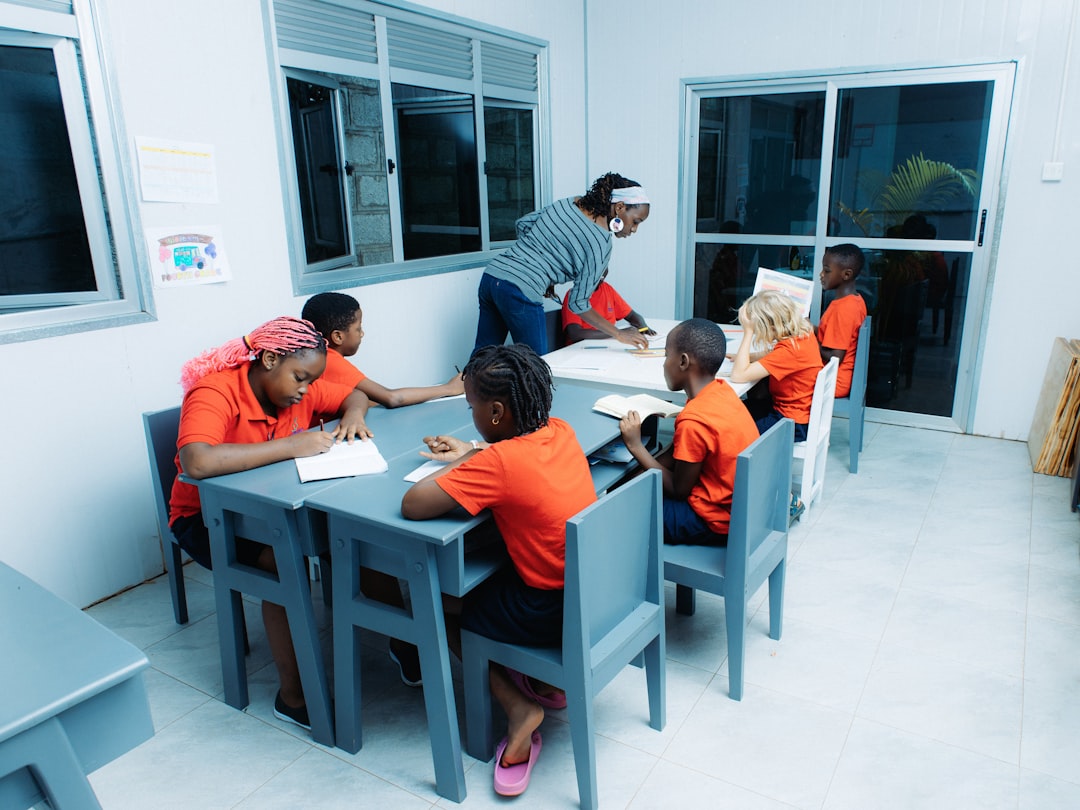
What Exactly Is A Special Needs School?
If you're reading this, chances are you're navigating the world of special education for the first time. Don't paiseh – we've all been there! A special needs school Singapore (officially called SPED schools) provides tailored education and support for children with intellectual disabilities, autism spectrum disorders, cerebral palsy, and other developmental needs.
Think of it as regular school but with superpowers – smaller class sizes, specialised teachers, therapy support, and curriculum adapted to each child's unique learning style. These aren't just academic institutions; they're holistic support centres that help your child develop life skills, independence, and confidence.
5 Types Of Special Needs Schools In Singapore You Should Know
1. Autism-Focused Schools
Schools like Pathlight School and St. Andrew's Autism School specialise in autism spectrum disorders. They use structured teaching methods and sensory-friendly environments. Perfect if your child needs routine and visual learning supports.
2. Intellectual Disability Schools
MINDS schools across Singapore cater to children with mild to moderate intellectual disabilities. They focus on functional academics and life skills – think learning to count money at NTUC or using the MRT independently.
3. Multiple Disabilities Schools
For children with complex needs involving physical and intellectual challenges. These schools have physiotherapy, occupational therapy, and medical support on-site.
4. Mainstream Schools With Special Programmes
Some neighbourhood schools offer special education programmes within regular settings. Great for children who can benefit from inclusion with typical peers.
5. Private Special Needs Schools
Smaller, privately-run institutions that often offer more flexibility in curriculum and approach. Usually pricier but with even lower teacher-to-student ratios.
The Step-By-Step Process: From Zero To Enrolled
Step 1: Get A Professional Assessment (SGD 200-800)
First things first – you'll need a comprehensive assessment from a developmental paediatrician, psychologist, or psychiatrist. This isn't just a quick chat; expect 2-3 hours of detailed evaluation covering cognitive, social, and adaptive skills.
Pro tip: Book early – waiting times at KKH or NNI can stretch 3-6 months. Private assessments are faster but cost SGD 500-800 vs SGD 200-400 at public hospitals.
Step 2: School Research & Visits (Free)
Time to do your homework! Most SPED schools offer guided tours and information sessions. Book these ASAP – some popular schools like Eden School have waiting lists.
During visits, observe:
- Teacher-student interactions
- Classroom environment and sensory considerations
- Available therapies (speech, occupational, physiotherapy)
- Transport arrangements
- Meal programmes and dietary accommodations
Step 3: Application Submission
Each school has its own application process, but you'll typically need:
- Professional assessment reports
- Medical records
- Birth certificate and passport photos
- Previous school reports (if any)
- Family financial documents (for fee assistance)
Timeline alert: Applications usually open in May for the following year's January intake. Some schools accept mid-year applications if spaces are available.
Step 4: School Assessment & Interview
Don't stress – this isn't about passing or failing! Schools conduct their own assessments to understand your child's needs and determine if they're a good fit. Some children might do a trial day or week.
Parents typically have a separate interview to discuss expectations, home support, and any specific concerns.
Step 5: Acceptance & Preparation
Once accepted (usually by August), you'll receive an orientation package with uniform requirements, school calendar, and preparation tips. Many schools offer transition programmes in November-December to help children familiarise themselves with the new environment.
What To Expect On Day One (And The First Few Weeks)
The Morning Drop-Off
Most SPED schools have staggered start times to avoid overwhelming children. Expect shorter days initially – maybe 2-3 hours – gradually building up to full days over 2-4 weeks.
Teachers understand that some children need time to adjust, so don't worry if there are tears (from you or your child – totally normal!).
Daily Structure
SPED schools are all about routine and predictability. A typical day includes:
- Morning circle time: Social interaction and daily planning
- Academic blocks: Literacy, numeracy adapted to individual levels
- Therapy sessions: Speech, occupational, or physiotherapy
- Life skills practice: Everything from hand-washing to money handling
- Sensory breaks: Movement, quiet time, or sensory activities
- Social skills groups: Learning to share, take turns, communicate
Communication With Teachers
Forget the old-school parent-teacher meetings once a term. SPED schools maintain constant communication through daily journals, WhatsApp updates, and regular review meetings. You're part of the team!

The Real Talk: Costs Breakdown (SGD)
Government SPED Schools
- Monthly fees: SGD 300-600
- Transport: SGD 100-200/month (if using school bus)
- Uniforms & materials: SGD 200-400 annually
- Therapy (if additional): SGD 80-150/session
Private Special Needs Schools
- Monthly fees: SGD 1,500-2,500
- Registration fees: SGD 500-1,000
- Additional therapy: Usually included in fees
Financial Assistance Available
Don't let costs scare you! Singapore has several support schemes:
- Special Education Financial Assistance (SEFA): Up to 100% fee support for eligible families
- Transport subsidies: Reduced rates for school transport
- Medisave: Can be used for certain therapies
- Community grants: Various foundations offer additional support
SPED School Jargon Decoded
IEP (Individualised Education Plan): Your child's personalised learning roadmap, updated annually.
Transition planning: Preparing for the next phase – whether it's secondary SPED school, vocational training, or supported employment.
Sensory diet: Not about food! It's a planned set of sensory activities to help your child stay regulated throughout the day.
Social stories: Simple stories that explain social situations and expected behaviours.
PECS: Picture Exchange Communication System – using images to communicate.
Red Flags vs Green Flags: What Good Looks Like
🚩 Red Flags
- Staff who seem overwhelmed or disinterested
- Rigid approaches with no individualisation
- Poor communication with parents
- Outdated facilities or safety concerns
- High staff turnover
✅ Green Flags
- Teachers who know each child's specific needs and interests
- Clean, well-organised, sensory-friendly environments
- Regular progress updates and family involvement
- Multi-disciplinary team working together
- Happy, engaged students
- Flexible approaches that adapt to individual needs
Pro Tips From Seasoned Parents
Start early: Even if you're unsure, begin the assessment process. You can always change course later.
Trust your gut: You know your child best. If a school doesn't feel right, keep looking.
Build relationships: Get to know other parents – they're goldmines of practical advice and support.
Advocate respectfully: Don't be paiseh to ask questions or raise concerns. Good schools welcome parent input.
Celebrate small wins: Progress might look different from mainstream milestones, and that's perfectly fine!

Making The Final Decision
Choosing a special needs school Singapore can feel jialat overwhelming, but remember – you're not choosing forever. Many families try different schools as their children's needs evolve. The goal is finding the right fit for now, with room to grow and change.
Consider factors like location (that daily commute to Jurong when you're in Pasir Ris gets old fast!), your child's specific needs, family values, and yes, practical considerations like cost and transport.
Most importantly, involve your child in age-appropriate ways. Some children visit multiple schools and have clear preferences – trust their instincts too!
Ready to start your journey? Find Special Needs School providers in your area and take that first step towards giving your child the tailored education they deserve.
Need personalised recommendations? Get free quotes from verified providers on KakiList and connect with SPED schools that match your specific needs and location. Your child's bright future starts with finding the right educational home!
Need help finding the right provider?
Get free, no-obligation quotes from verified special needs school providers in Singapore.
Get Free Quotes →