TCM Clinic Pre-Booking Checklist for Singapore Expats
Traditional Chinese Medicine (TCM) is part of everyday life in Singapore. Colleagues will swear by a sinseh (the local word for a TCM physician) for a stubborn cough, and your neighbour may recommend acupuncture for a bad back. If you come from the UK, US, Australia or India, you may be curious but unsure how to judge quality. Don't worry. A little homework before your first visit goes a long way. Use this checklist to choose a TCM clinic in Singapore with confidence.
Section 1: Credentials and Regulation
1. Is the practitioner registered with the TCM Practitioners Board?
Why it matters: TCM practitioners and acupuncturists in Singapore must be registered with the TCM Practitioners Board (TCMPB), which keeps a public online register. Registration is your baseline for safety.
A good answer: They give you their full name and registration number readily, and you can find the same name on the TCMPB register.
Walk away if: They dodge the question, say registration is "not necessary", or the name on the certificate on the wall does not match the person treating you.
2. What is their training and years of experience in your condition?
Why it matters: A practitioner who mainly treats fertility issues may not be the best pick for sports injuries.
A good answer: They name their qualifications, where they trained (Singapore, China or elsewhere) and how often they see cases like yours.
Walk away if: They claim to cure everything from eczema to cancer.
3. Will I see the same practitioner each visit?
Why it matters: Continuity matters because TCM diagnosis relies on tracking your pulse, tongue and symptoms over time.
A good answer: Yes, with notes kept on file. If a junior handles acupuncture, the physician should still review you.
Walk away if: Each visit is with a different person who has not read your history.
Section 2: Scope and Safety
4. Will you ask about my medical history and current medication?
Why it matters: Herbs can interact with blood thinners, diabetes drugs and blood pressure medication. This matters a lot if you are managing a condition brought from home.
A good answer: A detailed intake, including questions about allergies, pregnancy and supplements. Good practitioners also welcome you keeping your GP informed.
Walk away if: They tell you to stop prescribed medication without speaking to your doctor.
5. What can TCM realistically help with, and what should I see a doctor for?
Why it matters: TCM is often used for chronic pain, digestive complaints, sleep, menstrual issues and recovery, alongside Western care. It is not a substitute for emergency or serious diagnosis.
A good answer: Honest limits and a willingness to refer you on.
Walk away if: They promise guaranteed results or discourage you from getting a diagnosis.
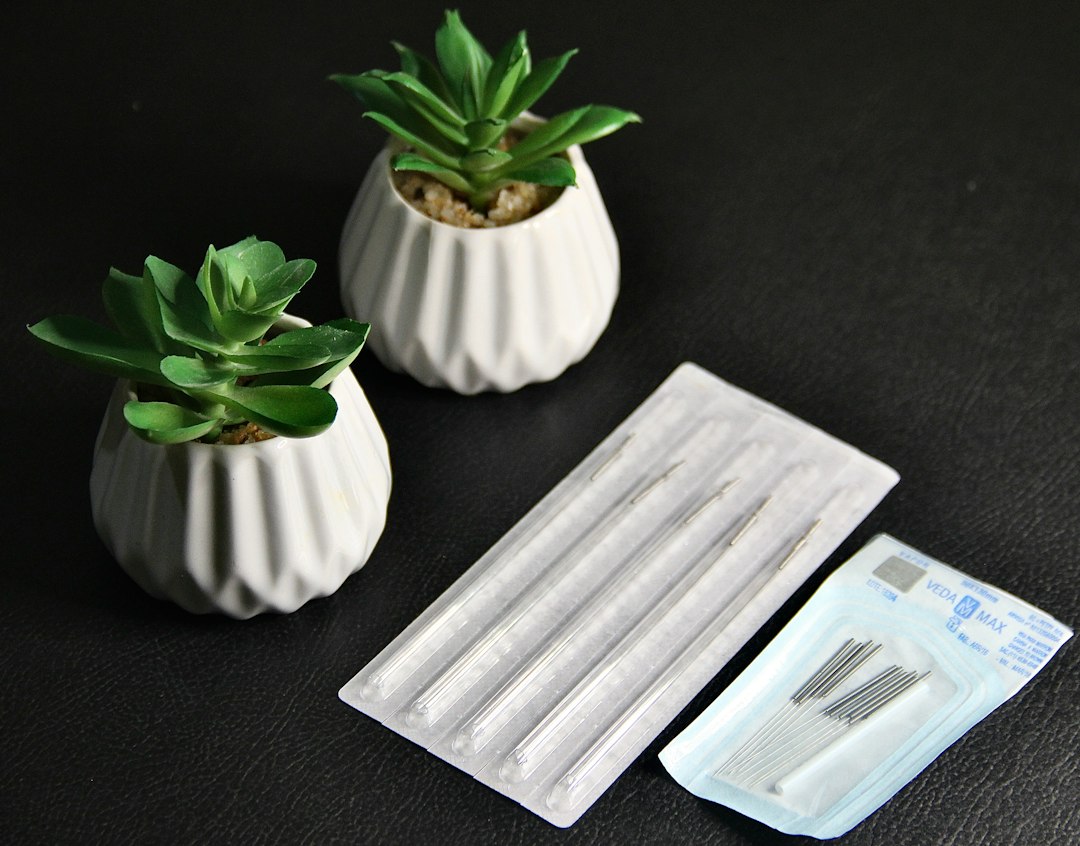
6. Are needles single-use, and are herbs sourced from approved suppliers?
Why it matters: Acupuncture needles should be sterile and disposable. Chinese proprietary medicines sold in Singapore must be registered with the Health Sciences Authority (HSA).
A good answer: They open sealed needles in front of you and can tell you where the herbs come from and show you the packaging for any pre-made products.
Walk away if: The herbs are unlabelled, come in unmarked plastic bags or contain ingredients no one can explain.
Section 3: Pricing
7. What is the full cost per visit, including consultation, treatment and medicine?
Why it matters: Consultation fees are often quoted separately from treatment and herbs, so the final bill can surprise you. Here are typical ranges:
| Item | Typical range (SGD) |
|---|---|
| Consultation (neighbourhood clinic) | S$30-S$60 |
| Consultation (premium clinic, Orchard or Novena) | S$60-S$150 |
| Acupuncture session | S$60-S$120 |
| Cupping or tuina (therapeutic massage) | S$50-S$100 |
| Herbal medicine, per day | S$5-S$15 |
A good answer: A clear written estimate for the first visit and a typical course. Compared to private acupuncture in London or Sydney, Singapore is usually the same or cheaper.
Walk away if: The price only appears after treatment, or someone adds expensive "add-on" herbs mid-session.
8. Can I use my insurance, or is this self-pay?
Why it matters: Most expats assume their international health plan covers TCM. Many cover only part of it, if at all, and Medisave generally does not apply to TCM.
A good answer: They tell you what receipts and itemised invoices they provide, so you can check your policy or ask HR before you book.
Walk away if: They say "insurance covers everything" without knowing your plan.
9. Do you charge for follow-ups and herbal refills?
Why it matters: A second visit to adjust your herbs is normal, but the fee structure should be clear.
A good answer: A shorter, cheaper review fee for follow-ups, or a flat fee that includes herbs.
Walk away if: Each refill triggers a full consultation charge with no explanation.
Section 4: Treatment Plan and Contract
10. How many sessions will I need, and how will we measure progress?
Why it matters: Chronic conditions usually take several weeks. You deserve a rough timeline.
A good answer: "Let’s try 4-6 sessions and review." They set specific goals, such as fewer headaches per week.
Walk away if: They insist on a long course up front without reassessing.
11. Do you sell prepaid packages, and what is the refund policy?
Why it matters: Prepaid packages of 10 or 20 sessions are common and can save you money. They are risky if you leave Singapore in a year or two, as many expat contracts end.
A good answer: A written expiry date, a refund or transfer policy and the option to pay per visit first.
Walk away if: You feel pressured to sign on the spot, or the clinic cannot show terms in writing. Remember, you can always say "I’ll think about it" and leave.
12. What happens if I have a bad reaction?
Why it matters: Mild bruising from cupping is normal, but rashes, dizziness or stomach upset after herbs need attention.
A good answer: They explain what to watch for, give you a contact number and tell you when to go to a GP or A&E.
Walk away if: They tell you symptoms are just the body "detoxing" and to keep taking the herbs.
Quick Pre-Booking Checklist
- Look up the practitioner on the TCMPB register.
- Get a written estimate for the first visit.
- Tell them about all medication and supplements.
- Check your insurance before you pay.
- Avoid prepaid packages on day one.
- Keep your GP informed.
What to Expect at Your First Visit
Expect a 20-40 minute consultation. The practitioner will take your pulse at both wrists, look at your tongue and ask about sleep, appetite and bowel habits. This can feel unusual if you are used to a Western GP, but it is standard. Clinics in Chinatown, Tiong Bahru and Holland Village tend to be busy at lunchtime and on weekends, so book ahead. If you are starting herbs, ask for a written ingredient list.
Ready to compare options? Find TCM providers near your neighbourhood, or Get free quotes from verified providers on KakiList and ask these 12 questions before you commit.
Need help finding the right provider?
Get free, no-obligation quotes from verified tcm providers in Singapore.
Get Free Quotes →