9 Catering in Singapore Tips That Won't Break The Bank
TL;DR: Catering can eat up half your event budget if you're not careful. Here are 9 lobang-worthy tips to feed your guests well without getting hit by surprise charges.
Birthday at a condo function room? Company year-end party? Your parents' 60th at the void deck? Whatever the occasion, catering in Singapore is a jungle of menus, minimum orders and fine print. We've broken it down so you don't end up jialat.
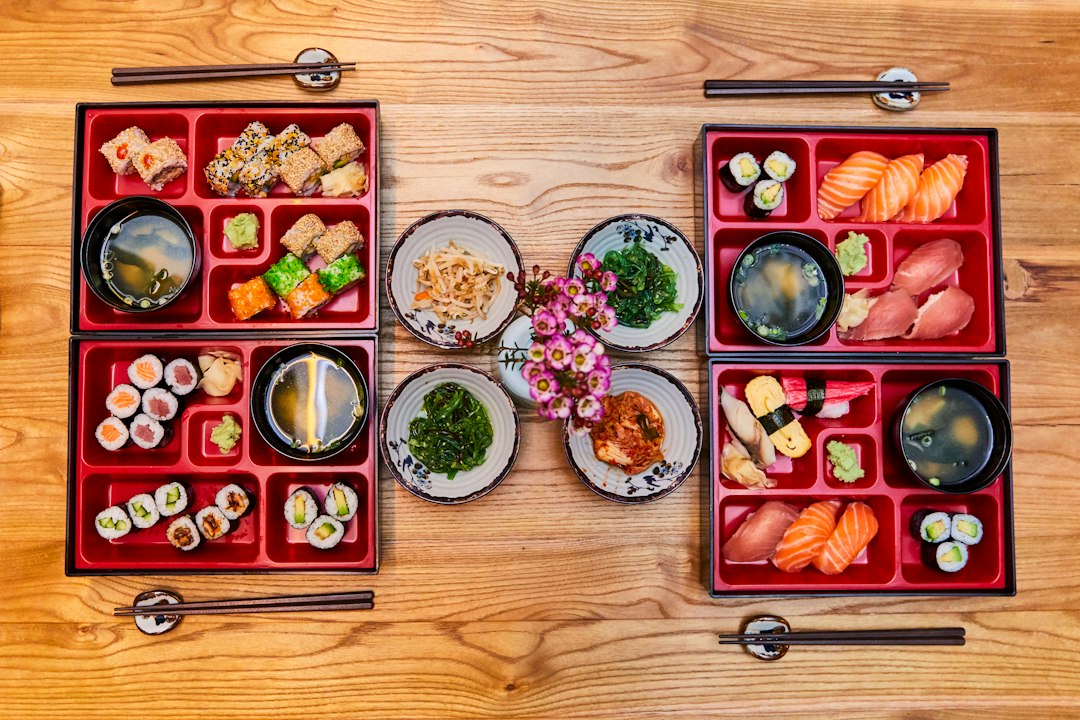
Image credit: Unsplash. A proper buffet spread makes every party shiok.

1. Lock in Your Headcount (Then Add 10%)
Caterers price per pax, so a wrong headcount is the fastest way to blow your budget. Too few and uncle runs out of chicken wings. Too many and you're taking home three trays of fried bee hoon.
Singaporeans are notorious for last-minute RSVPs, so expect some drift.
Pro tip: Chase RSVPs two weeks before, then add around 10% buffer for plus-ones. Most caterers let you adjust numbers up to 3 to 5 days before the event.
2. Pick The Right Format: Bento, Mini Buffet or Live Station
Each format suits a different vibe and budget. Bento is neat and fuss-free for office events. Mini buffets work for home parties. Live stations like pasta or carving add the wow factor but cost more.
| Format | Typical Price (per pax) | Best For |
|---|---|---|
| Bento box | SGD 8 to 15 | Meetings, workshops |
| Mini buffet (20 to 50 pax) | SGD 15 to 30 | Home parties, small gatherings |
| Full buffet with service staff | SGD 25 to 50 | Weddings, corporate dinners |
| Live station add-on | SGD 5 to 12 extra | Showstopper moments |
Takeaway: Match the format to your event. Don't pay for a full buffet when a mini buffet will do the job.
3. Sort Out Halal and Dietary Needs Early
Singapore is multiracial, so your guest list probably includes Muslims, vegetarians, and a friend who can't do shellfish. Halal needs special attention: the caterer should hold valid MUIS halal certification, not just claim to be Muslim-owned.
Many caterers offer separate vegetarian and halal menus, but they need advance notice.
Takeaway: Ask for the MUIS certificate upfront and confirm allergens in writing. For mixed crowds, a fully halal catering provider keeps things simple.
4. Book Early for Peak Season (Yes, Now!)
It's November 2026, and year-end parties and Christmas gatherings are in full swing. Good caterers get booked out weeks ahead. Next up is Chinese New Year in early February 2027, which means reunion buffets and visiting-season orders are coming.
Be kiasu. It pays off.
Takeaway: Book 4 to 6 weeks ahead for peak periods, and at least 2 weeks for regular dates. Last-minute bookings often mean limited menus and rush surcharges.
5. Ask About Hidden Charges
That SGD 22 per pax quote might not be the final bill. Delivery, setup, disposables, service staff and equipment rental are often charged separately.
- Delivery: SGD 30 to 80, depending on distance and timing
- Service staff: SGD 120 to 200 per staff for a few hours
- Chafing dishes and warmers: SGD 5 to 10 per set
- Disposable cutlery and plates: Sometimes included, sometimes SGD 0.50 to 1.50 per pax
Pro tip: Ask for an itemised quote so you can compare caterers fairly. Paiseh to ask? Don't be. It's your money.
6. Always Do a Tasting for Bigger Events
Photos on Instagram don't tell you if the rendang is dry or the fried rice is oily. For weddings and big corporate dinners, a tasting is essential. Many caterers offer free or subsidised tastings, sometimes with the fee deducted if you confirm.
Takeaway: For smaller events, read recent reviews and check how they handle large orders. Look for comments on punctuality and portion size.
7. Check Licences and Hygiene Grades
Food safety is not something to gamble on, especially when feeding 100 guests. Legit caterers hold an NEA licence and should display a food hygiene grade. Some also have ISO 22000 or HACCP certification.
Takeaway: Ask to see the licence before paying a deposit. A good caterer will share it without fuss.
8. Plan The Logistics: Lifts, Power and Weather
Hosting at an HDB void deck in Tampines or a condo clubhouse in Bishan? Think about practicalities. Is there a nearby lift for the trolley? Are there power points for warmers? Is there shelter if it suddenly pours, as it does every other afternoon?
Some venues also have rules about open flames and live stations.
Takeaway: Share the venue address, floor, and access details with your caterer. Check with your town council or condo management about approvals and setup time too.
9. Go Local for Heartland Flavour
Not every event needs a fancy hotel menu. Many guests prefer nostalgic favourites like nasi lemak, ngoh hiang, curry chicken and kueh. Heartland caterers in places like Jurong, Hougang and Woodlands often deliver generous portions at friendlier prices than premium outfits.
Takeaway: Pick a menu with 2 to 3 crowd-pleasing mains, 2 sides and 1 dessert. Fewer dishes done well beat a 15-item spread that's all average.
Wrap-Up: Feed Everyone, Save Your Wallet
Good catering in Singapore comes down to planning: know your numbers, understand the format, ask about extra fees, and book before the rush. Do that and your guests will be talking about the food, not the queue.
Ready to compare options? Find catering providers on KakiList, or skip the chasing around and Get free quotes from verified providers on KakiList. Shiok!
Need help finding the right provider?
Get free, no-obligation quotes from verified catering providers in Singapore.
Get Free Quotes →