Confinement Food Guide For Expats in Singapore 2026
21 May 2026 · 7 min read · Confinement Food

Welcome to Singapore's Confinement Culture, Expat Mamas!
ICYMI, Singapore takes postpartum care very seriously. If you're an expat expecting your little one here, you've probably heard whispers about "confinement food" and wondered what the fuss is about. Spoiler alert: it's going to be very different from whatever recovery meals you had back home!
Unlike Western cultures where you might grab a sandwich post-delivery, confinement food Singapore follows Traditional Chinese Medicine (TCM) principles. Think warming soups, specific herbs, and meals designed to restore your body's balance after childbirth. No cold salads or iced drinks here – your auntie will tsk tsk you!
1. What Exactly is Confinement Food? (For the Blur Sotongs)
Confinement food isn't just any postpartum meal – it's a carefully curated menu based on centuries-old TCM wisdom. The 30-day (sometimes 40-day) period after delivery is called the "confinement period" where new mums follow specific dietary rules.
Key principles include:
- "Warming" foods to restore yang energy
- Lots of ginger, sesame oil, and Chinese wine
- Bone broths for calcium and nutrients
- No "cooling" foods like cucumber, watermelon, or anything raw
- Special herbs like red dates, goji berries, and dong quai
Pro tip: Even if you're not Chinese, many expat mums swear by these meals for faster recovery and better milk production. Your Western friends back home will be shook when you tell them about pig's trotter soup!
2. How This Works Differently Than Your Home Country
If you're from the US, UK, or Australia, this whole system might seem jialat overwhelming. Back home, you probably expected to meal prep or rely on family casseroles. Here's the reality check:
In Singapore:
- Structured 30-day meal plans are the norm
- Meals arrive warm, often twice daily
- Menus change based on recovery phases (Week 1 vs Week 4)
- Family members (especially mothers-in-law) have strong opinions about what you should eat
Back in Western countries:
- Focus on convenience foods and personal preferences
- Cold foods and salads are totally acceptable
- No specific timing or phases for different foods
- Less emphasis on "body warming" concepts
Don't worry if it sounds kiasu – you'll get used to checking if foods are "heaty" or "cooling" soon enough!
3. The Real SGD Damage: What Expats Can Expect
Let's talk money because this isn't exactly a budget-friendly affair. Confinement food Singapore services range widely depending on your needs and location.
| Service Type | Price Range (SGD) | What's Included |
|---|---|---|
| Basic meal delivery | $800 - $1,500/month | Lunch + dinner, standard TCM menu |
| Premium meal service | $1,800 - $3,000/month | 3 meals + snacks, customized menu, organic ingredients |
| Live-in confinement nanny | $3,500 - $6,000/month | Meals + baby care + household help |
| Confinement center | $8,000 - $15,000/month | Full package: meals, accommodation, baby care, nursing support |
For context, that basic meal delivery is about what you'd spend on groceries for a family of four. But consider this: you're getting specialized meals designed for recovery, delivered warm to your door when you can barely walk to the kitchen. Suddenly doesn't seem so steep, right?
4. Visa and Paperwork Considerations (Because Singapore Loves Bureaucracy)
Here's what your friends back home didn't warn you about – some confinement services involve hiring help, which means paperwork!
If you're hiring a confinement nanny (陪月):
- Foreign Domestic Worker (FDW) Levy: $300/month for most expats (unless you qualify for levy concessions)
- Security bond: $5,000 (refundable when employment ends)
- Medical insurance: Minimum $60,000 coverage required
- MOM (Ministry of Manpower) approval: Takes 1-3 weeks
Pro tip: Start this process during your second trimester. Singapore's bureaucracy doesn't care that you're about to pop!
For meal delivery services only, there's no additional paperwork – just order and pray your condo security doesn't lose your soup delivery.
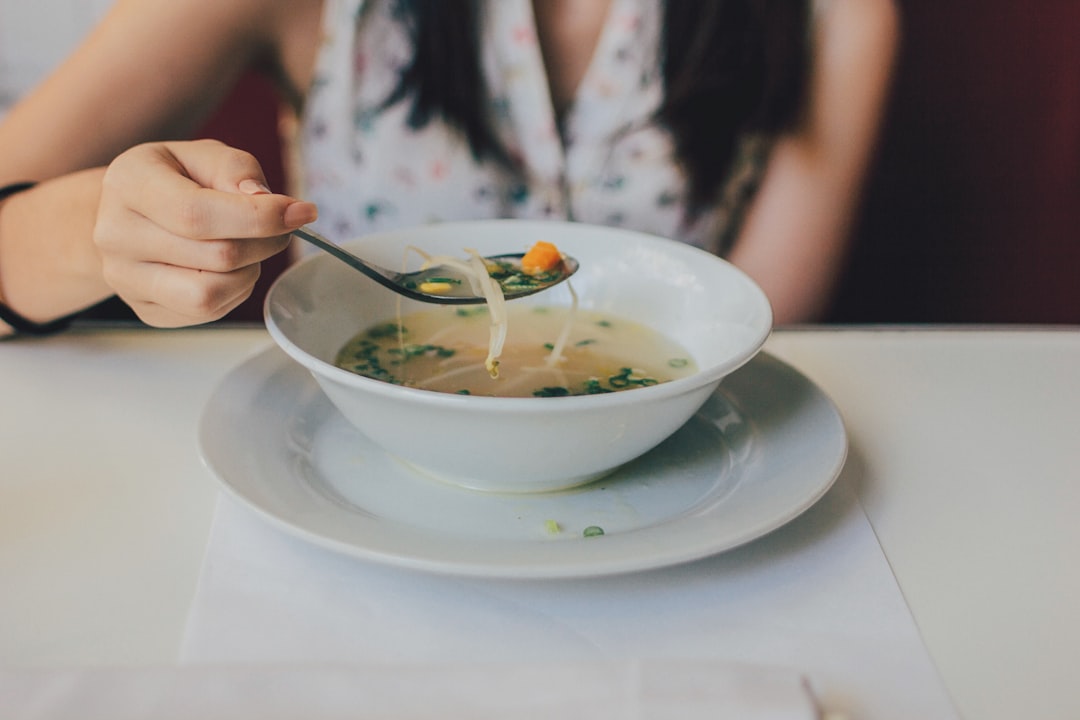
5. Best Neighborhoods for Expat-Friendly Confinement Services
Not all areas are created equal when it comes to confinement food delivery. Here's the inside lobang on where to live for the best service:
Expat-Heavy Areas with Great Coverage:
- Orchard/River Valley: Premium services galore, but expect to pay city prices
- East Coast (Marine Parade, Katong): Good mix of traditional and modern providers
- Bukit Timah/Holland Village: High-end services, many English-speaking providers
- Punggol/Sengkang: Newer estates with delivery-friendly infrastructure
Trickier Areas:
- Remote condos in Jurong West or Woodlands might have limited delivery options
- Older HDB estates where some providers don't venture
- Sentosa Cove (because everything's more complicated on the island)
6. Common Pitfalls That'll Leave You Paiseh
Learn from other expat mums' mistakes so you don't end up in these awkward situations:
Pitfall #1: Not discussing dietary restrictions early
That vegetarian/halal/kosher lifestyle? Better mention it upfront. Many traditional providers aren't equipped for special diets.
Pitfall #2: Underestimating portion sizes
Confinement meals are designed to feed recovering mothers who need extra calories for breastfeeding. Don't be shocked when enough food arrives to feed a small army.
Pitfall #3: Fighting the system
Yes, you miss salads. No, sneaking in cold drinks won't kill you. But if you hired a confinement nanny and she catches you eating ice cream from the freezer, prepare for the look.
Pitfall #4: Language barriers
Many traditional providers speak minimal English. Download Google Translate and learn key phrases like "不要辣" (no spicy) if needed.
7. Types of Confinement Food Services (Choose Your Own Adventure)
Meal Delivery Services
Perfect for independent expats who want the nutrition without the full cultural immersion. Companies like Tian Wei Signature and NouRiche deliver island-wide.
Confinement Nannies
The full package – they cook, clean, and teach you baby care. Popular with expats who want to learn traditional practices. Find confinement nannies through licensed agencies.
Confinement Centers
Think luxury hotels for new mums. You check in, they handle everything. Popular in heartland areas like Ang Mo Kio and Toa Payoh.
DIY with Family Help
Some expat families with local connections go this route, with mothers-in-law or local friends guiding the process.
8. What to Expect on Your Plate
Prepare your taste buds for an adventure! Common confinement food Singapore staples include:
- Week 1-2: Lots of pig's liver, kidney soup (for blood replenishment), and ginger-heavy dishes
- Week 3-4: Bone broths, fish soups, and "strengthening" herbs
- Throughout: Red date tea, longan drinks, and sesame oil chicken
Pro tip: Start with a shorter trial period (1-2 weeks) to see if your stomach can handle the transition. Some expat mums find the heavy, oily foods too intense initially.
TL;DR: Your Expat Confinement Food Game Plan
Research providers during your second trimester, budget $1,000-$3,000+ depending on service level, and prepare for a culinary culture shock that might actually leave you feeling more energized than you expected.
The bottom line? While this whole confinement food system might seem extra to your Western sensibilities, thousands of expat mums swear by it for faster recovery and better milk production. Plus, you'll have some pretty unique stories for your parent groups back home!
Ready to find the perfect confinement food provider for your Singapore journey? Get free quotes from verified providers on KakiList and start your postpartum recovery the Singapore way!
Need help finding the right provider?
Get free, no-obligation quotes from verified confinement food providers in Singapore.
Get Free Quotes →