Confinement Food Singapore: First-Timer's Complete Guide 2026
5 May 2026 · 7 min read · Confinement Food
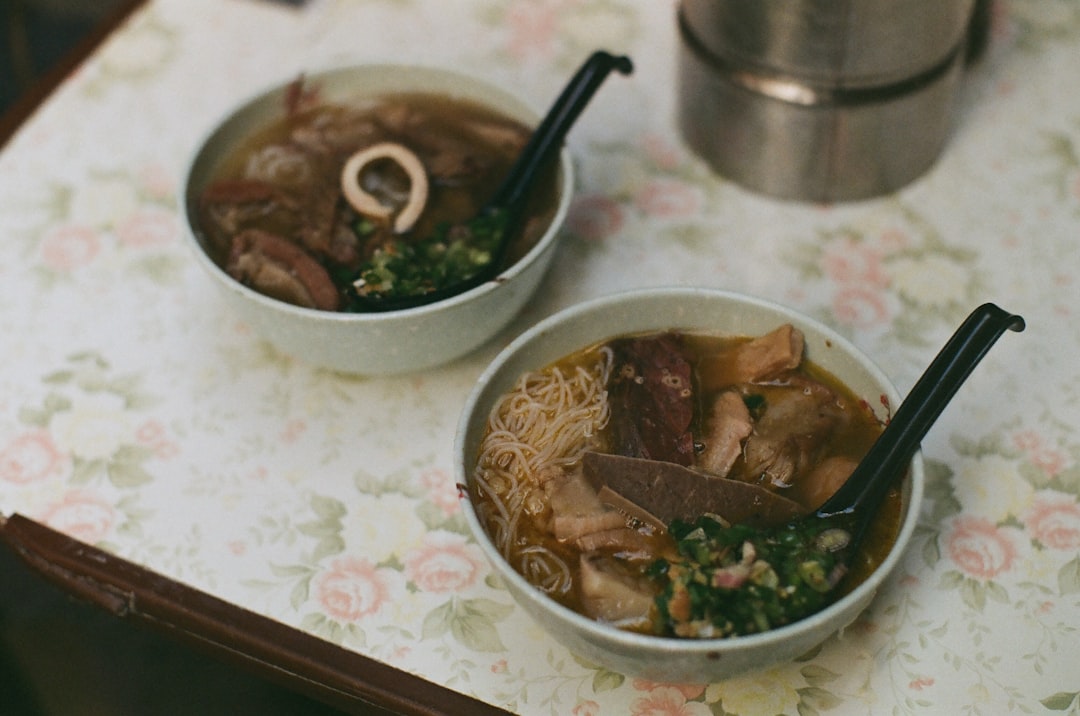
What is Confinement Food Delivery?
If you're expecting your first baby, you've probably heard aunties mention "confinement" but might be blur about what it actually involves. Here's what you need to know: confinement food delivery is a specialized catering service that provides nutritious, traditional postpartum meals to new mothers during their recovery period (typically 28-30 days after delivery).
Unlike your regular cai png or food delivery, confinement meals are carefully planned by nutritionists and traditional Chinese medicine (TCM) practitioners. These meals focus on "warming" ingredients like ginger, sesame oil, and red dates to help restore your body's balance after childbirth. Think of it as meal prep, but with 4,000 years of Chinese wisdom backing the menu.
How Much Does Confinement Food Cost in Singapore?
The bottom line: expect to budget between SGD 800-2,000 for a full 28-day package. Here's the breakdown:
| Service Level | Price Range (28 days) | What's Included |
|---|---|---|
| Basic Package | SGD 800-1,200 | 2 meals daily, standard ingredients |
| Premium Package | SGD 1,200-1,600 | 3 meals daily, organic ingredients, herbal soups |
| Luxury Package | SGD 1,600-2,000+ | 3 meals + snacks, bird's nest, premium herbs |
Pro tip: Some providers offer 14-day packages if you're not sure about committing to the full month. Prices range from SGD 400-800 for the shorter duration.
Step-by-Step: How the Process Works
1. Initial Consultation (1-2 weeks before delivery)
Most confinement food providers will arrange a consultation call or visit. They'll ask about:
- Your delivery method (natural or C-section)
- Food allergies and preferences
- Your confinement period duration
- Delivery location and timing preferences
2. Menu Planning
Your provider will create a customized meal plan. Week 1 typically focuses on cleansing and healing, while Weeks 2-4 emphasize strengthening and lactation support. Don't worry if you can't tell ginseng from goji berries – they'll explain everything.
3. Payment and Scheduling
Most providers require 50% deposit upon booking, with the balance due before delivery starts. Popular slots (like Tanjong Pagar, Bishan, or Punggol) fill up quickly, so book early.
4. Daily Delivery
Meals arrive in insulated containers, usually between 10-11 AM for lunch/dinner packages. Some providers offer breakfast delivery at 8-9 AM for premium packages.
What to Expect on Delivery Day
Your first delivery day can feel a bit overwhelming when you're still recovering, so here's what typically happens:
Morning Delivery (10-11 AM): The delivery person will arrive with insulated bags containing your meals. Everything comes clearly labeled with heating instructions. Most meals can be stored in the fridge for same-day consumption.
Packaging: Expect microwaveable containers that are easy to handle with one hand (trust us, you'll appreciate this when baby decides to cluster feed). Soups usually come in separate containers to prevent spilling.
Portions: Serving sizes are generous – typically enough for lunch and dinner, with some left over for late-night snacking when you're up feeding baby.
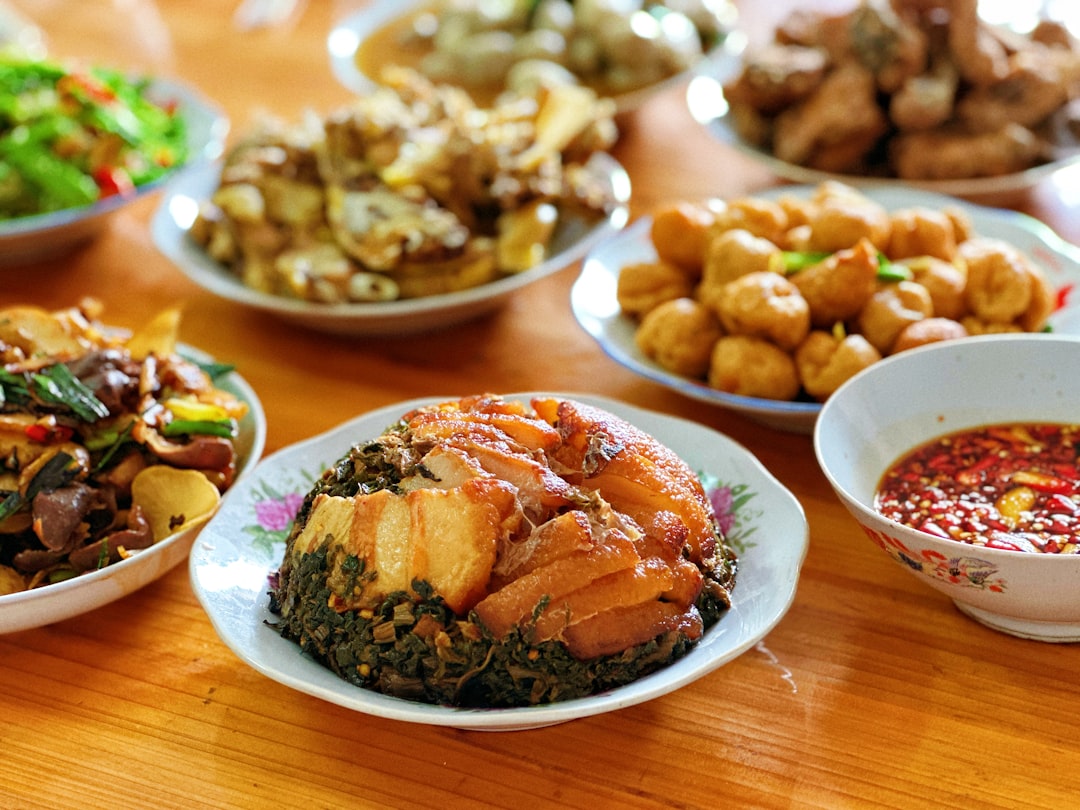
Confinement Food Jargon Explained
Don't let the terminology intimidate you. Here are the common terms you'll encounter:
- "Warming" foods: Ingredients like ginger and sesame oil believed to restore internal heat lost during childbirth
- "Cooling" foods: Items like cucumber or watermelon that are avoided during confinement
- Red date tea: A sweet herbal drink that's supposed to boost energy and blood circulation
- Confinement wine: Rice wine used in cooking (not for drinking!) to improve blood circulation
- Double-boiled soup: Slow-cooked broths with herbs, often the highlight of your daily meals
Choosing the Right Provider: What to Look For
With dozens of confinement food providers in Singapore, from established names in Chinatown to newer services operating from Woodlands, here's how to choose:
Must-Have Criteria:
- Proper food handling certification
- Flexible delivery to your area (check if they serve your HDB estate or condo)
- Clear ingredient lists for allergy management
- Customer reviews from recent mothers
Nice-to-Have Features:
- Trial meals before committing
- Nutritionist consultation included
- Lactation-boosting meal options
- Weekend delivery availability
| Provider Type | Pros | Cons |
|---|---|---|
| Traditional TCM-focused | Authentic recipes, experienced practitioners | Less flexibility for dietary restrictions |
| Modern fusion services | Instagram-worthy presentation, customizable | Higher prices, less traditional focus |
| Hawker-based providers | Affordable, familiar flavors | Limited delivery areas, basic packaging |
Budget Tips for First-Time Parents
Confinement food can be expensive, especially when you're already spending on baby essentials. Here are some money-saving strategies:
- Split packages: Some Singaporean families order for 14 days only, then transition to home cooking
- Mix and match: Order just dinner daily and prepare simple lunches yourself
- Group discounts: If you have friends delivering around the same time, ask about bulk pricing
- Off-peak delivery: Some providers offer discounts for deliveries to heartland areas versus prime districts
What a Good First Experience Looks Like
A successful first-time confinement food experience should feel supportive, not stressful. Here's what to expect:
Week 1: Gentle, easily digestible meals that don't overwhelm your recovering digestive system. Soups should be clear and warming, not overly herbal or strong-tasting.
Week 2-3: More substantial portions as your appetite returns. You should notice increased energy levels and better sleep quality.
Week 4: Lactation-boosting ingredients become more prominent. If you're breastfeeding, this is when you might notice improved milk supply.
Throughout the entire period, you should feel that the meals are helping your recovery, not adding stress. Good providers will check in regularly and adjust meals based on your feedback.

Red Flags to Watch Out For
Not all confinement food services are created equal. Watch out for:
- Providers who can't explain their ingredients or preparation methods
- Meals arriving late or at inconsistent temperatures
- No flexibility for dietary restrictions or preferences
- Pushy sales tactics or requests for full payment upfront
Remember, this is about your health and recovery – you deserve quality service during this important time.
Ready to find the perfect confinement food provider for your needs? Get free quotes from verified providers on KakiList and compare options that deliver to your area.
Need help finding the right provider?
Get free, no-obligation quotes from verified confinement food providers in Singapore.
Get Free Quotes →